Marathon Petroleum, the largest refiner in the United States, has agreed to sell two Midwest refineries to CVR Energy, a company controlled by activist investor Carl Icahn, for $4.2 billion. The deal comes on the heels of a blockbuster quarter in which Marathon's refining margins more than doubled, giving the company a chance to sell processing assets at a time when they are generating exceptional cash flow.
What happened
Marathon reported adjusted profit of $26.93 per share for the quarter, beating analysts' expectations of $24.47, according to data from LSEG. The surge was driven by a sharp jump in its refining and marketing margin, which rose to $45.70 per barrel from $17.60 a year earlier. That margin is the difference between what refiners pay for crude oil and what they earn from selling refined products like gasoline and diesel.
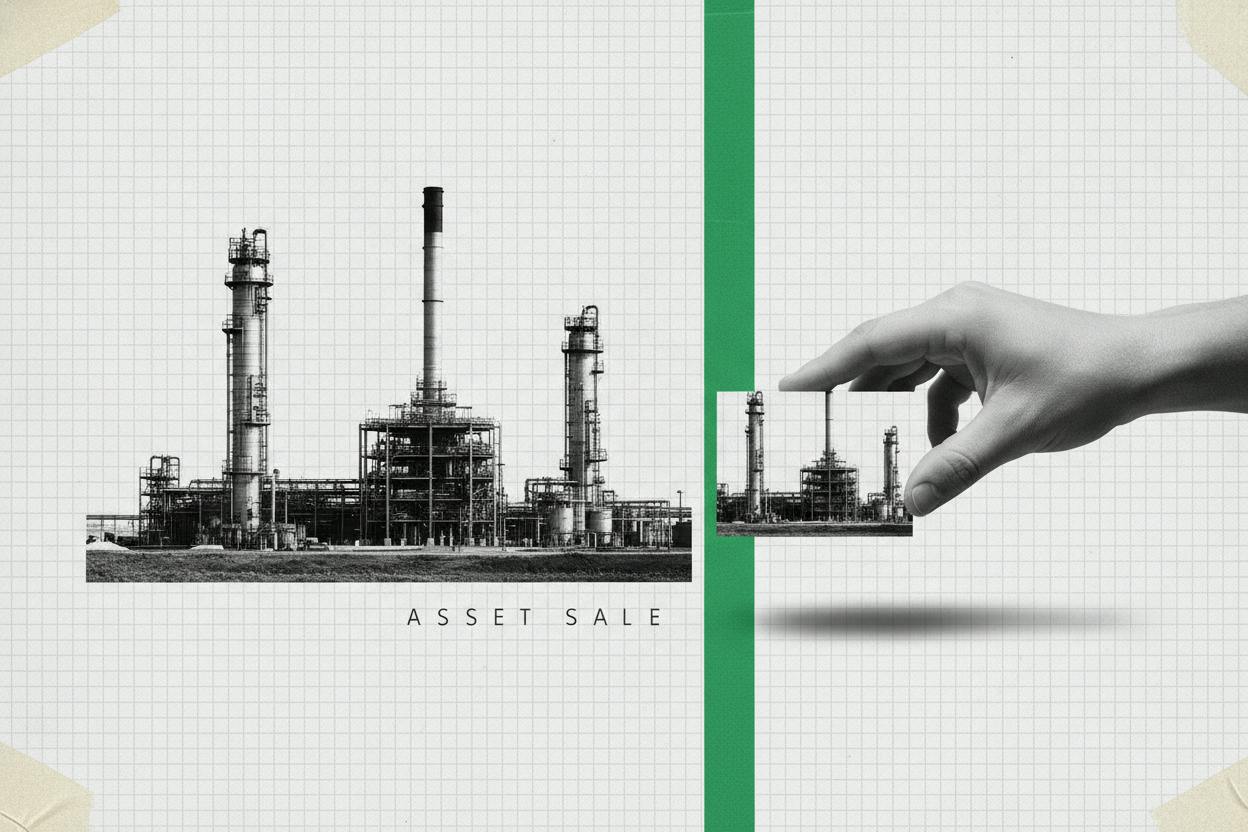
In a separate announcement, Marathon said it would sell its St. Paul Park refinery in Minnesota and its Mandan refinery in North Dakota, along with related midstream assets, to CVR Energy. The $4.2 billion price tag reflects the high value that processing assets command when margins are fat.
Why Marathon is selling now
Refining is a business with high "operating leverage," meaning that small changes in the spread between crude and fuel prices can lead to large swings in profit. When margins are high, refineries generate cash quickly, and buyers are willing to pay more for them. Marathon is taking advantage of that window, converting a volatile earnings stream into a lump sum of cash.
By selling these two plants, Marathon reduces its exposure to future swings in refining margins. Its remaining portfolio will be less tied to the ups and downs of the fuel market, which could make its earnings more predictable. For investors, that means Marathon's future results may be less dramatic but also less risky.
This is a familiar pattern in the refining industry. Companies often sell assets when valuations are attractive, especially after a period of strong margins. The move also helps Marathon pay down debt or return cash to shareholders, though the company did not specify how it will use the proceeds.
What it means for CVR
CVR Energy is taking the opposite approach. By buying these refineries, it is adding more barrels of processing capacity, which increases its exposure to refining margins. If margins stay near current levels, CVR stands to benefit significantly. But if margins cool as fuel supply disruptions ease, the company could feel the pain more acutely than it would have without the acquisition.
The deal also expands CVR's footprint in the Midwest, a region where it already operates. That could create operational synergies, but it also concentrates more of its business in a single geographic area, which carries its own risks.
For CVR shareholders, the key question is whether refining margins will remain elevated. The current high margins are partly the result of supply disruptions and strong demand, but those conditions may not last. If the spread between crude and fuel prices returns to more normal levels, CVR's earnings could fall sharply.
What it means for investors
This deal reshuffles risk between two companies. Marathon is trading a volatile earnings stream for cash, making its future results less dependent on the next swing in refining margins. CVR is doing the opposite, taking on more barrels of exposure and betting that margins will stay high.
For everyday investors, the takeaway is that refining stocks can be highly cyclical. When margins are strong, these companies can post enormous profits, but those profits can evaporate quickly when the spread narrows. This deal highlights how companies manage that risk, and how different strategies can appeal to different types of investors.
Investors will likely watch how CVR finances the acquisition and whether it can integrate the new refineries smoothly. They will also monitor refining margins in the coming quarters to see if the current strength persists. For Marathon, the sale simplifies its business and could make its earnings more stable, which some investors may find attractive.
As always, it's important to remember that past performance is not a guarantee of future results. Refining margins are influenced by global supply and demand, geopolitical events, and seasonal factors, all of which can change quickly.