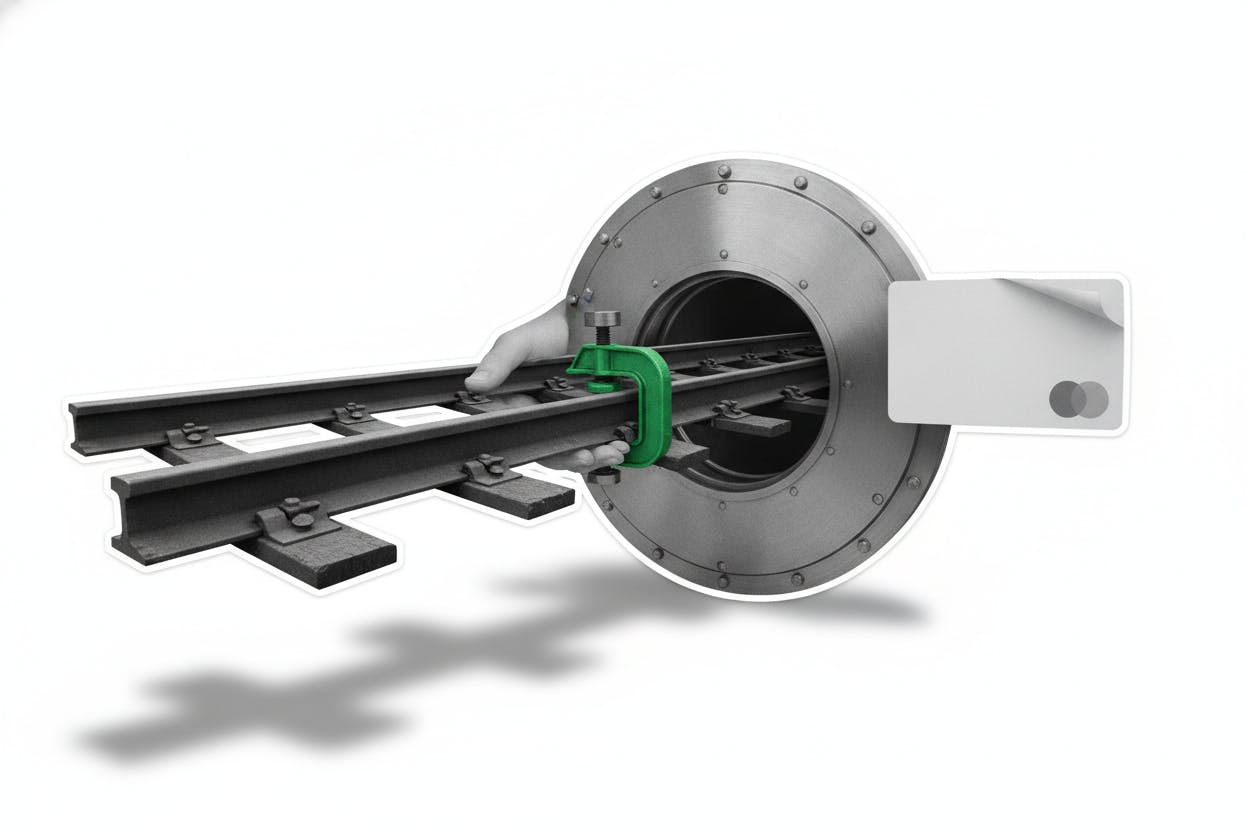
Mastercard is reportedly in advanced discussions to sell a majority stake in Vocalink, the company that quietly powers much of the UK's retail payment infrastructure. According to the Financial Times, the payments giant is looking to offload a 51% stake in the business for around £400 million, with a bank-backed entity called DeliveryCo seen as a likely buyer.
What is Vocalink and Why Does It Matter?
Vocalink is a behind-the-scenes operator of the UK's account-to-account payment systems. It helps run the networks that, according to its website, handle over 90% of salaries, more than 70% of household bills, and 98% of state benefits. In plain terms, when your salary lands in your bank account or you pay a utility bill via direct debit, Vocalink's technology is often involved.
Mastercard originally acquired Vocalink from a consortium of British banks in 2016 for £701 million. The deal was seen as a way for Mastercard to deepen its presence in the UK's fast-growing digital payments market. Now, less than a decade later, the company is reportedly looking to hand back control to the very banks it bought the business from.
The Potential Deal: What's on the Table?
The reported sale price of £400 million for a 51% stake values the entire Vocalink business at roughly £784 million, slightly above what Mastercard paid in 2016. The buyer, DeliveryCo, is a company backed by several major UK banks, including Lloyds, Barclays, and HSBC. If the deal goes through, it would effectively return operational control of a critical piece of national payments infrastructure to the banking sector.
This move comes amid a broader trend of financial institutions reassessing their stakes in payment networks and infrastructure. The UK's payments landscape is evolving rapidly, with new entrants like fintechs and digital wallets challenging traditional bank-led systems. For Mastercard, selling down its stake could free up capital and allow it to focus on other growth areas, such as cross-border payments and data analytics.
What It Means for Investors
For everyday investors, this news is a reminder that even the biggest players in payments are constantly reshaping their portfolios. Mastercard's decision to sell a majority stake in Vocalink doesn't signal weakness—it's more likely a strategic pivot. The company may be looking to redeploy capital into higher-growth segments, such as its recent push into AI and robotics or its expanding presence in emerging markets.
For investors holding Mastercard stock, the deal could be a modest positive if it unlocks value and simplifies the company's structure. However, the £400 million price tag is relatively small for a company with a market capitalization of over $400 billion, so the direct impact on the stock is likely limited.
On the other hand, the sale highlights the ongoing consolidation and realignment in the payments industry. Banks are increasingly looking to regain control over the infrastructure that processes their transactions, especially as digital payments grow. This could create opportunities for other payment firms, such as those involved in insurtech and financial technology, to partner with banks on new solutions.
Broader Market Context
The news comes at a time when global markets are showing mixed signals. While Wall Street edged higher on optimism around US-Iran talks, the UK economy faces headwinds from inflation and rising interest rates. For UK-focused investors, the Vocalink deal is a reminder that the country's financial infrastructure remains a valuable asset, even as the broader economic outlook remains uncertain.
Mastercard's potential exit from Vocalink also echoes other recent divestitures in the financial sector. For example, Bayer's sale of a minority stake in its contraceptives unit shows how companies are streamlining their portfolios to focus on core businesses. Similarly, Mastercard's move could be part of a broader strategy to sharpen its focus on high-growth areas.
What to Watch Next
Investors should keep an eye on the final terms of the deal, including any regulatory approvals. The UK's Competition and Markets Authority (CMA) may scrutinize the sale, given Vocalink's critical role in the country's payments system. If the deal goes through, it could set a precedent for how other payment infrastructure assets are valued and traded.
For now, the talks remain confidential, and no final agreement has been reached. But the news underscores the dynamic nature of the payments industry, where even the most established players are constantly adapting to new technologies and competitive pressures.