Meta has pulled the plug on Muse Image, an AI image generator integrated into its Meta AI chatbot, just days after its launch. The feature, which allowed users to generate and edit pictures by referencing public Instagram photos, drew immediate criticism over privacy concerns and an automatic opt-in that many users and advocates said violated consent norms.
The company, which owns Facebook and Instagram, introduced Muse Image on Tuesday as a creative tool for generating sketch-style edits and other images based on publicly shared content. But by Friday, Meta announced it was discontinuing the feature, acknowledging it had “missed the mark.” The rapid reversal highlights a growing tension for big tech firms: the line between public data and AI training data is becoming a flashpoint for users, regulators, and investors alike.
What Happened With Muse Image?
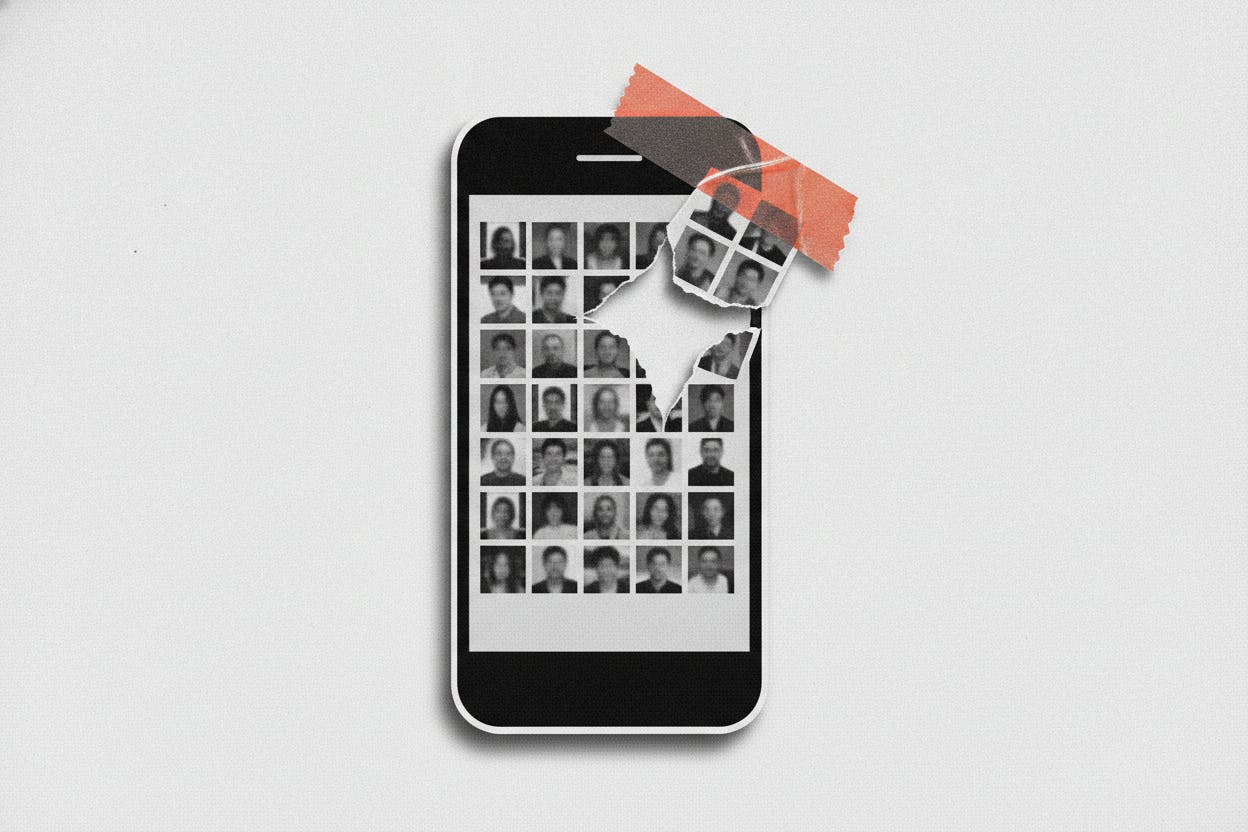
Muse Image was designed to let people generate and edit pictures by referencing public Instagram photos. The tool was part of Meta’s broader push into generative AI, which includes features across its family of apps. However, the feature was switched on by default, meaning users’ public photos could be used as inputs without their explicit permission.
The backlash was swift. SAG-AFTRA, the US performers union representing actors and other media professionals, warned that anything short of a “clear and conspicuous opt-in” makes it easier to create nonconsensual “digital replicas” — convincing lookalikes of real people. The union’s concern reflects a broader anxiety about AI’s ability to generate realistic images of individuals without their consent, a risk that has grown as generative models become more powerful.
Meta argued that the feature was intended to give people control over whether their public content could be referenced, but the default opt-in design meant most users were automatically enrolled. The company’s concession that it “missed the mark” suggests it underestimated the privacy sensitivity of its user base.
Why This Matters for Investors
For everyday investors, the Muse Image episode is a reminder that privacy and consent are becoming material risks for tech companies. When platforms treat “public” as “AI-usable” without an explicit yes, the trust cost can outweigh the product’s upside. Meta’s quick pullback suggests that future AI features that depend on Instagram content may come with clearer permission screens, slower rollouts, or narrower capabilities — because consent, not compute, is becoming the bottleneck.
This is not an isolated incident. Meta has faced similar scrutiny over other AI initiatives, such as its AI glasses that could record without a visible indicator, raising privacy concerns. The company’s ability to navigate these issues will be closely watched by investors, especially as it competes with rivals like OpenAI, which recently saw an executive step back amid its own super-app and IPO plans (read more).
The broader lesson is that default settings carry enormous power. If a feature is opt-out, most people stay enrolled, meaning their old posts can quickly become raw material for new generative tools — even if they never intended that use. That matters most for photos tied to your identity: once a model can reference real faces, it can lower the effort needed to make lookalike images that travel fast online.
What’s Next for Meta and AI Regulation?
Meta’s reversal may signal a shift in how the company approaches AI product launches. The company has been rolling out generative AI features across its platforms, including the Muse AI image generator to Instagram and WhatsApp. But the backlash over Muse Image could slow the pace of future releases, as Meta weighs the benefits of innovation against the risks of alienating users and attracting regulatory scrutiny.
Regulators in the US and Europe are already paying close attention to how tech companies use personal data for AI training. The European Union’s AI Act, which imposes strict rules on high-risk AI systems, could impose fines for noncompliance. In the US, the Federal Trade Commission has signaled it will take action against companies that mislead users about data use. Meta’s misstep could embolden regulators to push for stronger consent requirements.
For investors, the key takeaway is that privacy is no longer a niche concern — it’s a business risk that can affect product adoption, brand trust, and regulatory costs. Companies that fail to get consent right may find themselves backtracking on product launches, as Meta just did. Those that build trust into their AI strategies may have a competitive advantage.
As Meta continues to invest in AI, investors should watch for signs of how the company handles consent and transparency. The Muse Image episode is a case study in how quickly a promising feature can become a liability when privacy expectations are not met.