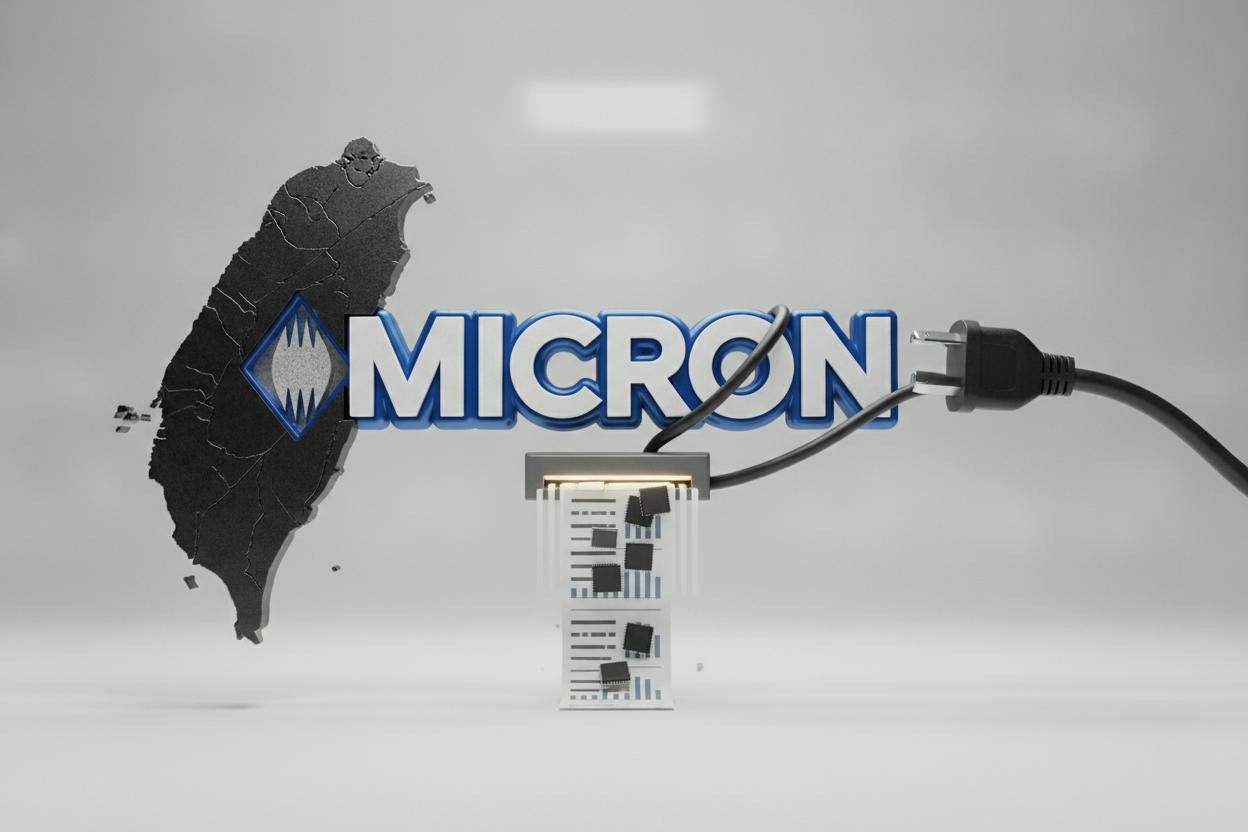
Workers at Micron's Taiwan operations are escalating their fight over profit sharing, with unions representing more than 80% of the company's roughly 15,000 local employees warning they could move toward a strike vote if negotiations stall. The unions are demanding that 15% of Micron's operating profit be shared globally with workers, and they have set two key dates—September 18 and 21—for talks with management.
Micron, a US-based memory chipmaker, relies heavily on Taiwan as a production hub for dynamic random-access memory (DRAM) and high-bandwidth memory (HBM), the latter being a critical component in many AI servers. The company's Taiwan facilities are among its most advanced, and any labor disruption could ripple through its global supply chain.
Why profit sharing matters
Profit-sharing plans are common in the semiconductor industry, where skilled workers are in high demand and retention is crucial. In Taiwan, where Micron employs a significant portion of its workforce, unions have been pushing for a more formal and permanent arrangement. The demand for 15% of operating profit is a significant ask, reflecting the workers' view that they should benefit more directly from the company's financial success, especially given the recent boom in memory chip demand.
The timing is notable. The memory market is already tight, with supply struggling to keep up with demand from data centers, AI applications, and consumer electronics. Reuters has noted that even the risk of labor disruption can matter to customers who need steady deliveries of DRAM and HBM chips. A strike, or even the threat of one, could add to the uncertainty and potentially push prices higher.
What's at stake for Micron
Micron is one of the world's largest memory chipmakers, competing with the likes of Samsung and SK Hynix. Its Taiwan operations are central to its manufacturing strategy, producing some of the most advanced DRAM and HBM products. Any prolonged labor action could disrupt production schedules, delay shipments, and strain relationships with major customers, including cloud providers and AI server manufacturers.
The company has not publicly commented on the unions' demands, but it will need to balance worker satisfaction with its financial targets. Profit sharing is a way to align employee interests with company performance, but the percentage demanded could be seen as aggressive, especially if operating profits fluctuate with the cyclical nature of the memory market.
What it means for investors
For everyday investors, this labor dispute is a reminder that even the most technologically advanced companies are not immune to workforce tensions. Micron's stock could see volatility as negotiations unfold, and any signs of a strike could weigh on sentiment. However, it's important to note that strikes are not imminent—the unions are warning they could move toward a strike vote, not that one has been called.
The broader memory chip market is already in focus for investors, given the AI-driven demand surge. A disruption at Micron's Taiwan plants could tighten supply further, potentially benefiting competitors like Samsung and SK Hynix, but it could also hurt Micron's revenue and market share if customers shift orders.
Investors should also consider the precedent this could set. If Micron agrees to a permanent profit-sharing plan, it might increase its labor costs, which could impact margins. On the other hand, a satisfied workforce could improve productivity and reduce turnover, which is valuable in a competitive industry.
For now, the key dates to watch are September 18 and 21. If talks break down, the situation could escalate quickly, and the memory chip market—already tight—might feel the effects. As with any labor dispute, the outcome will depend on both sides' willingness to compromise.
In the meantime, investors in Micron and the broader semiconductor sector should keep an eye on news from Taiwan. The company's ability to maintain smooth operations is critical to its financial performance, and any prolonged disruption could have a material impact on its bottom line.
This story also highlights the growing importance of labor relations in the tech industry, where skilled workers have more leverage than ever. As companies like Micron expand in regions like Taiwan, they will need to navigate local labor laws and expectations carefully.
For those interested in related labor and market dynamics, recent reports on bank staff pushing for higher pay and companies balancing profit declines with shareholder returns offer additional context on how worker demands and corporate finances intersect.