Japanese conglomerate Mitsubishi has agreed to sell a 49.9% stake in the company that holds its interest in LNG Canada to funds managed by Blackstone Credit & Insurance, in a deal valued at about $1.6 billion. The move allows Mitsubishi to pull cash out of the project while retaining its rights to buy liquefied natural gas (LNG) from the facility as it expands.
LNG Canada, a Shell-led export project in British Columbia, began production in June 2025. Mitsubishi currently owns a 15% interest in the venture. Under the deal, it will sell nearly half of that holding to Blackstone but keep its contracted offtake of 2.1 million tons of LNG per year. The companies expect the transaction to close in November.
Why the structure matters
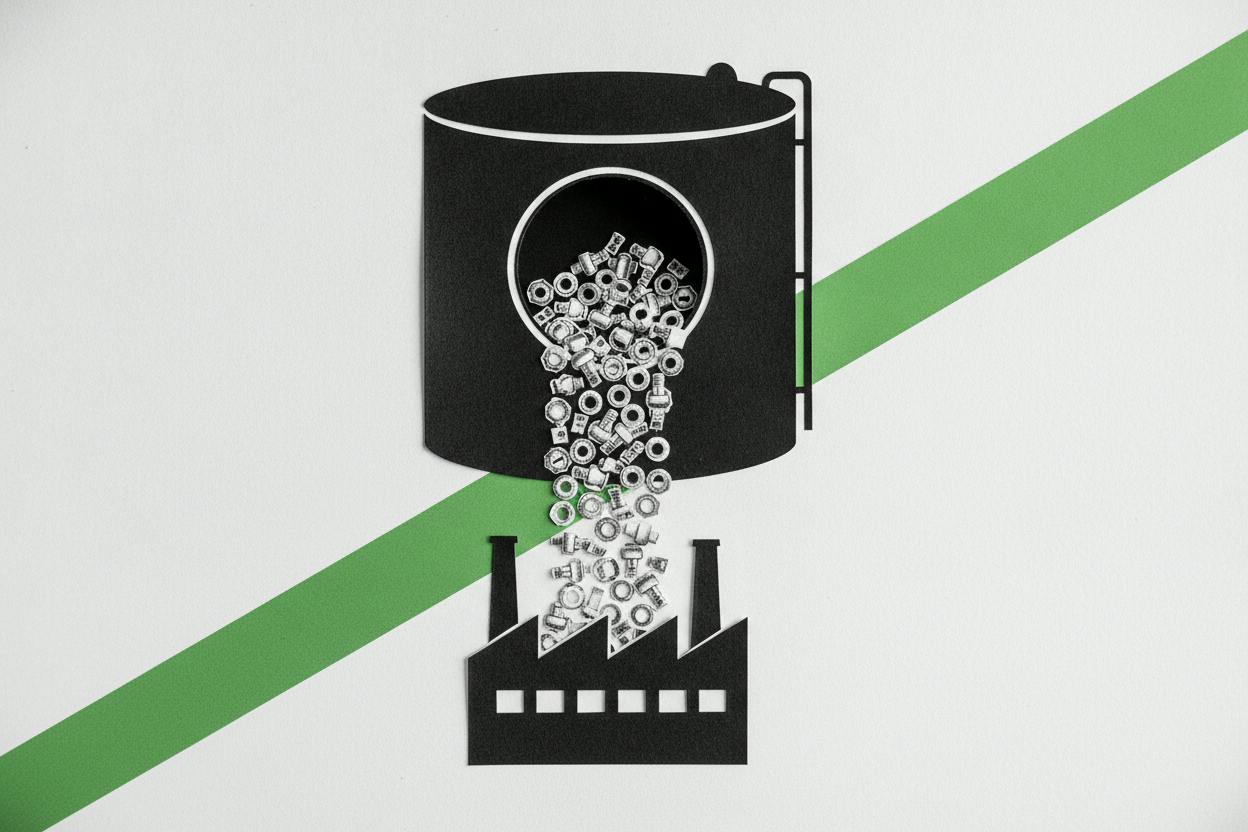
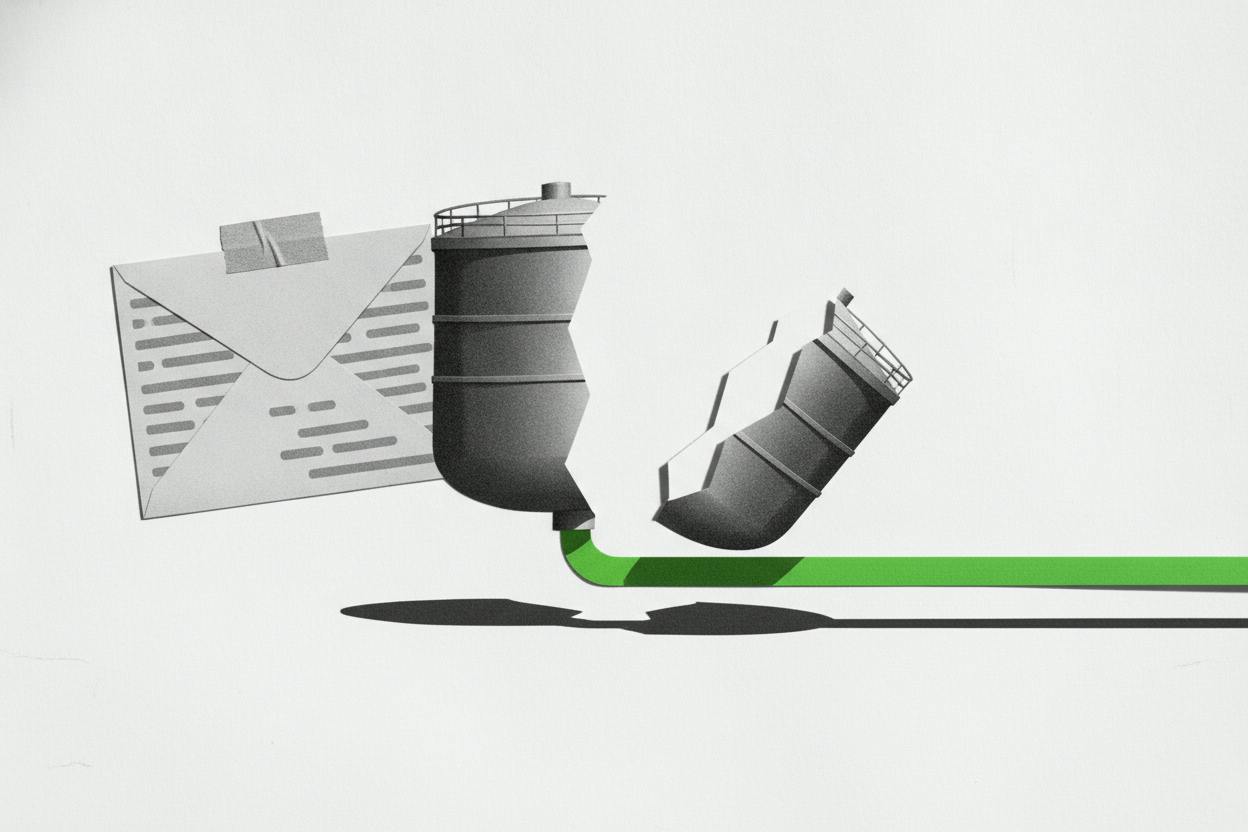
This is not a straightforward sale. Instead of exiting the project, Mitsubishi is separating ownership from supply. By selling a minority slice of the holding company, it brings in a financial partner while preserving its long-term access to LNG volumes.
That distinction is important because LNG Canada’s partners made a final investment decision in September to proceed with Phase 2, an expansion that would double the project’s total capacity to 28 million tons a year. Once that build-out is operational, Mitsubishi says its contracted volumes would rise to 4.2 million tons annually.
In other words, Mitsubishi is keeping the fuel supply it needs for its customers while sharing the cost and risk of owning the asset with Blackstone. The private-markets firm gets exposure to the project’s construction and operating economics, while Mitsubishi retains its commercial relationships and supply commitments.
Private capital steps into energy infrastructure
Large LNG projects are notoriously expensive and take years to develop. The biggest constraint is often financing and balance-sheet capacity rather than engineering. By selling a minority stake but retaining offtake, Mitsubishi can recycle capital: it receives cash today while still locking in volumes that could double after Phase 2.
For markets, the deal underscores how private-capital pools like Blackstone are increasingly acting as partners for energy infrastructure. They supply funding without demanding that operators give up control or commercial contracts. If this model spreads, it could make large, long-lead expansions easier to finance and may bring more deal flow to private credit and insurance capital that targets long-duration, cash-generating assets.
Blackstone is already active in energy and real assets. The firm has been involved in selling stakes in properties like a Tokyo office tower, showing its appetite for recycling capital across asset classes. Its move into LNG Canada fits a broader trend of institutional investors seeking stable, long-term returns from infrastructure.
What it means for investors
For everyday investors, this deal is a reminder that energy projects are often financed through complex structures involving multiple partners. It also highlights the growing role of private markets in funding large-scale infrastructure, which can affect everything from energy supply to the returns available in private credit funds.
Mitsubishi’s decision to keep its offtake suggests it values the security of long-term fuel supply more than owning the entire stake. That could be a signal about how Japanese trading houses view global LNG demand, especially as countries seek alternatives to other energy sources.
The deal also comes as Canada’s economy has shown signs of weakness, with growth stalling in recent months. A major export project like LNG Canada could provide a boost to the country’s energy sector and trade balance over time.
For investors, the key takeaway is that large energy projects are increasingly being funded by a mix of corporate balance sheets and private capital. That can reduce the financial burden on any single company and make expansions more feasible. It also means that private credit and insurance funds are becoming important players in the energy transition and infrastructure build-out.
As with any major deal, there are risks. Construction delays, cost overruns, and shifts in global LNG prices could affect the project’s economics. But for now, Mitsubishi has found a way to raise cash without giving up its access to fuel, and Blackstone has added a long-duration asset to its portfolio.