Ryanair, Europe's largest airline by passenger numbers, is tightening its belt after higher jet fuel prices dragged down its latest quarterly profit. The company reported a 6% drop in net profit for the July-to-September period, and it's now combing through costs—even floating the idea of temporary pay freezes—to soften the blow.
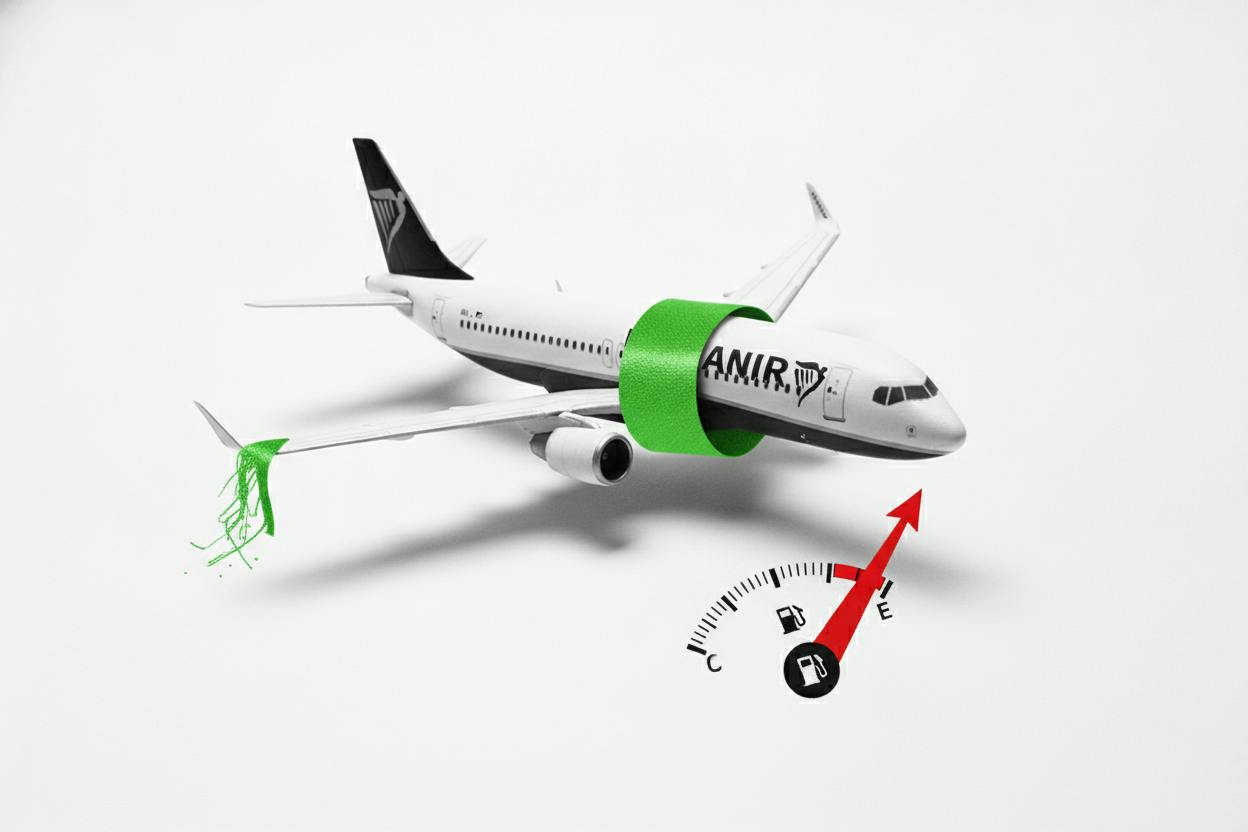
The Dublin-based carrier says fuel has become its main financial pressure point. Based on current forward prices, Ryanair expects its fuel bill for the financial year ending March 2028 to be about €2 billion higher than previously anticipated. And it's doubtful that higher short-haul fares next year will fully cover that gap.
Fuel hedging: a buffer with limits
Ryanair, like many airlines, uses fuel hedging to manage price volatility. Hedging essentially means locking in prices for future fuel purchases, which helps reduce nasty surprises when oil prices swing. The airline says it has 80% of its fuel needs hedged at $67 a barrel through March 2027. But after that, it's exposed to whatever the market brings.
That hedge provides some near-term protection, but it doesn't eliminate the problem. If oil prices stay elevated or climb further, Ryanair's fuel costs will rise once the current hedges expire. The €2 billion jump it's projecting for the 2028 financial year reflects that looming exposure.
The airline's response is a familiar one in the industry: cut costs where possible and consider freezing pay. Ryanair has a history of using pay freezes and other cost-control measures during tough patches, and it's now signaling that it may do so again if fuel prices don't cooperate.
What this means for investors
For everyday investors, Ryanair's situation is a reminder that airlines are highly sensitive to fuel prices, which are largely outside their control. Even a well-run carrier with strong passenger numbers can see profits squeezed when oil climbs.
The company's reliance on hedging is a double-edged sword. It smooths out short-term volatility, but it can also lock in prices that turn out to be higher than the market later. And when hedges roll off, the full impact of price moves hits the income statement.
Ryanair's doubts about whether higher fares will fully cover the fuel bill suggest that competition in the short-haul market remains intense. If airlines can't pass on costs to passengers, profit margins get squeezed. That's a key dynamic for investors to watch, not just at Ryanair but across the sector.
The broader backdrop is also relevant. Oil prices have been volatile recently, with geopolitical tensions and supply concerns pushing costs up. Oil prices slid 3% on some easing of war fears, but shipping costs remain high, which can feed into fuel prices. And while oil retreats have helped some markets, the overall trend for jet fuel has been upward.
For Ryanair specifically, investors will be watching how the cost review plays out. Pay freezes can hurt employee morale and potentially affect service quality, but they can also protect profitability in a tough environment. The airline's ability to manage costs while keeping its low-fare model intact will be crucial.
It's also worth noting that Ryanair's profit dip comes despite strong passenger demand. The airline has been growing its network and carrying more people than ever, but that growth isn't translating into higher profits when fuel costs rise. That's a classic margin squeeze scenario.
For investors, the key takeaway is that airlines are cyclical and fuel-dependent. Even the biggest and most efficient carriers can see profits swing on oil prices. Ryanair's move to review costs and potentially freeze pay is a defensive step, but it may not be enough if fuel prices keep climbing.
As the financial year progresses, watch for updates on Ryanair's hedging strategy and fare pricing. If the airline can raise fares without losing passengers, it might offset some of the fuel hit. But if competition keeps fares low, the €2 billion fuel bill could weigh on profits for years to come.