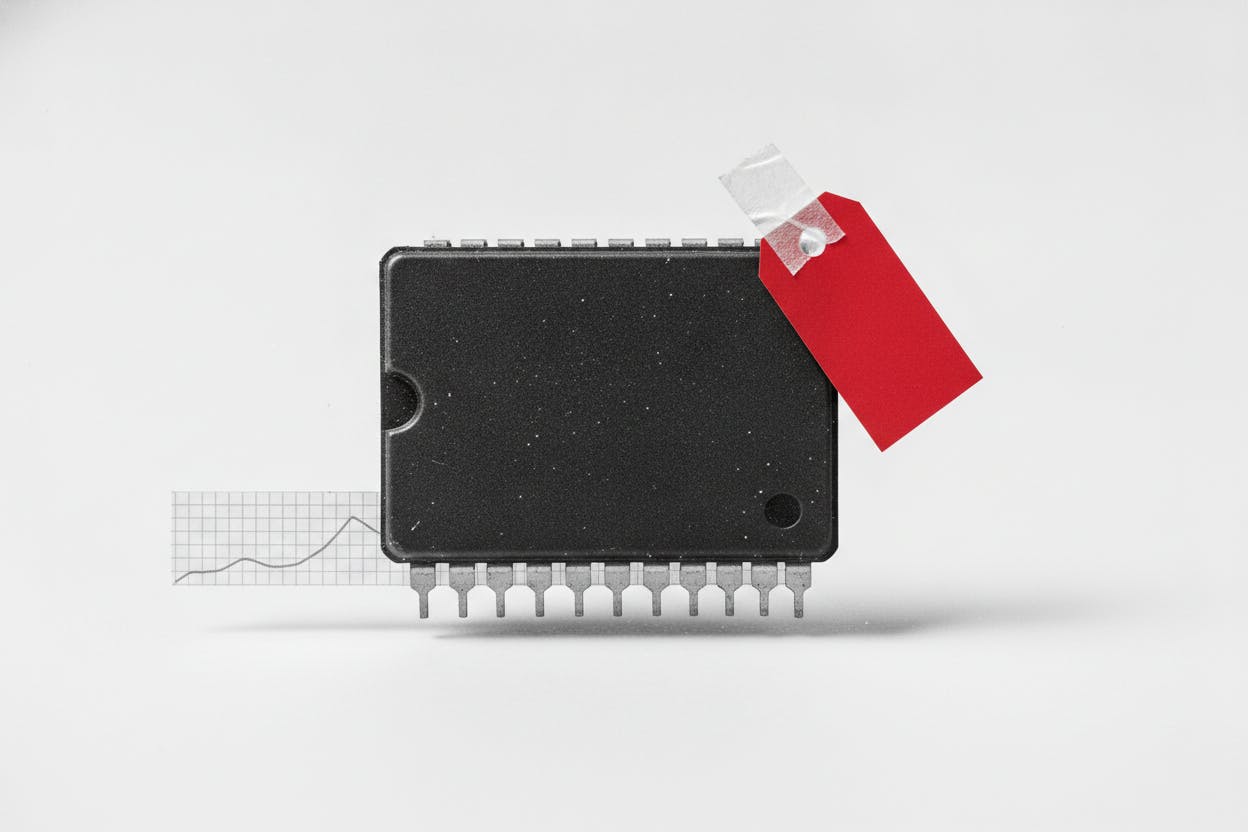
Morgan Stanley, a global investment bank, has acknowledged that Texas Instruments (TI) is experiencing a more robust demand cycle, but the firm is not yet ready to upgrade its stance on the chipmaker. Despite TI's better-than-expected Q2 results and a Q3 outlook that surpassed Wall Street forecasts, Morgan Stanley continues to rate the stock as underweight. The cautious note sent TI shares down 3.4% on Thursday.
What the Analyst Said
In a research note, Morgan Stanley pointed to several positive signals from Texas Instruments. The company beat earnings expectations in the second quarter and guided third-quarter revenue and profit above consensus estimates. The bank highlighted that demand is stabilizing across most end markets, with the automotive sector emerging as a particular bright spot. Additionally, higher factory utilization rates helped boost gross margins, which Morgan Stanley sees as evidence that the current upturn is more durable than the temporary bounce seen last year.
However, the investment bank remains cautious. The underweight rating suggests that Morgan Stanley believes TI's stock may underperform relative to the broader market or its peers over the next 12 to 18 months. This stance reflects ongoing concerns about the sustainability of the recovery, especially given the cyclical nature of the semiconductor industry.
Texas Instruments' Position in the Chip Market
Texas Instruments is one of the world's largest manufacturers of analog and embedded processing chips. These components are used in a wide range of products, from industrial machinery and cars to consumer electronics and communications equipment. Because TI's chips are essential to so many industries, the company's performance is often seen as a bellwether for the broader semiconductor sector and the global economy.
The company's recent results suggest that the chip downturn that began in late 2022 may be bottoming out. After a period of inventory corrections and weak demand, TI is now seeing orders pick up, particularly from automotive customers. This aligns with broader trends in the auto industry, where demand for chips used in electric vehicles, advanced driver-assistance systems, and infotainment remains strong.
For context, other companies in the semiconductor space have also reported improving conditions. For instance, Wistron recently opened a Texas plant to build Nvidia's latest AI superchip boards, highlighting the ongoing demand for advanced chips. However, TI's focus on analog and embedded chips means it is less exposed to the AI boom and more tied to traditional industrial and automotive cycles.
What It Means for Investors
For everyday investors, the mixed signals from Morgan Stanley underscore the complexity of investing in cyclical stocks like Texas Instruments. On one hand, the improving guidance and stronger auto demand are positive signs that the company's earnings may continue to recover. On the other hand, the underweight rating suggests that the stock's current price may already reflect much of this good news, leaving limited upside.
Investors should also consider that Morgan Stanley's cautious stance is not unique. Many analysts remain wary of the semiconductor sector due to lingering macroeconomic uncertainties, such as high interest rates and geopolitical tensions. For example, South Korea's factory-gate inflation remains hot at 8.6%, with the central bank flagging more rate hikes, which could dampen global demand for chips.
Additionally, the broader market environment for tech stocks has been mixed. While some companies like Norfolk Southern beat Q2 estimates on fuel surcharges and stronger freight demand, others have faced headwinds. Investors should watch for further updates from TI and its peers to gauge whether the recovery is gaining traction.
Key Takeaways
- Positive signals: Texas Instruments beat Q2 expectations and guided Q3 above consensus, with improving auto demand and higher factory utilization boosting margins.
- Cautious outlook: Morgan Stanley maintains an underweight rating, indicating the stock may underperform relative to the market.
- Market reaction: Shares fell 3.4% on Thursday, reflecting investor disappointment with the cautious analyst note.
- Broader context: The semiconductor cycle appears to be improving, but risks from interest rates and global demand remain.
Investors should keep an eye on Texas Instruments' next earnings report and any updates from management on demand trends. While the company's fundamentals are improving, the stock's valuation and the uncertain macroeconomic backdrop suggest caution may be warranted.