Morgan Stanley, one of Wall Street's biggest investment banks, is telling clients that Amazon's cloud computing division still has plenty of room to grow — even after years of explosive expansion. In a new note, the bank points to a record $578 billion contract backlog and Amazon's own view that Amazon Web Services (AWS) could eventually reach $1 trillion in annual revenue within five to ten years.
The bank's core argument is simple: demand for cloud services is so strong that even ambitious growth targets might be achievable. AWS is the world's largest cloud provider, renting out computing power, storage, and databases to businesses and governments. It has been a key profit driver for Amazon, and its growth has accelerated recently as companies rush to build and deploy artificial intelligence applications.
What the backlog really means
The $578 billion backlog is a measure of work that has been contracted but not yet recognized as revenue. For AWS, that means customers have signed deals for cloud services that will be delivered and billed over time. A growing backlog is often seen as a sign of future revenue visibility — a promise of sales that have not yet hit the income statement.
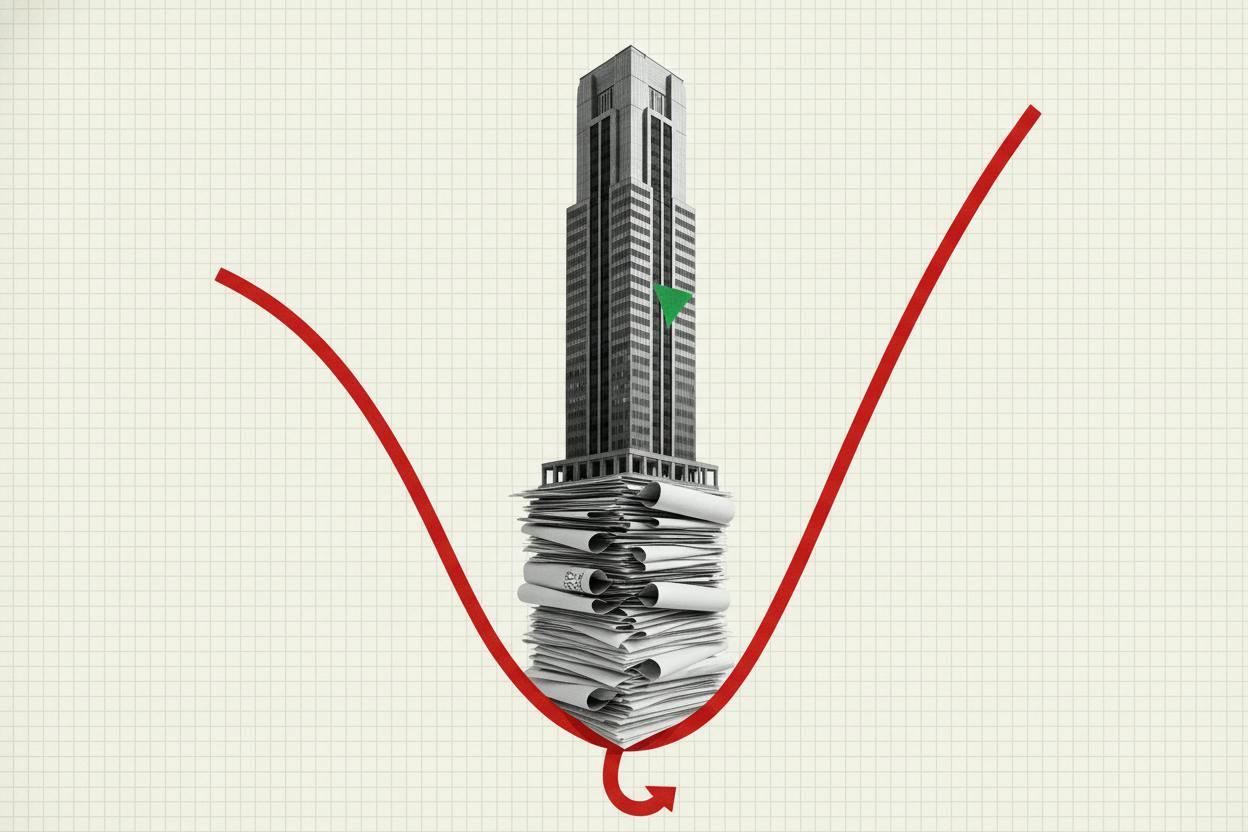
But Morgan Stanley cautions that turning that backlog into actual revenue is not just a software story. AWS has to build the data centers, install the power systems, and secure the chips needed to deliver those contracts. Much of that spending happens upfront, while the revenue shows up later. That means Amazon's capital expenditures — the big checks written for servers, networking gear, and facilities — will likely stay elevated for years.
The bank also highlighted Amazon's plan to start selling its own Trainium AI chips to third-party data centers starting in 2027. Trainium is Amazon's custom-designed chip for training and running AI models, a direct competitor to chips from Nvidia and others. Selling those chips beyond AWS's own facilities could widen the company's reach and create a new revenue stream, but it also adds another layer of investment and competition.
Why the price target was trimmed
Despite the bullish long-term view, Morgan Stanley trimmed its price target on Amazon shares to $335 from $350. That might seem contradictory, but it reflects a key tension: near-term capital spending and free cash flow can matter as much to the stock as the long-term revenue runway.
When a company spends heavily upfront, it can depress reported profit and free cash flow in the short term. Free cash flow is the money a company generates after paying for the investments needed to run and grow the business. For Amazon, the massive buildout required to meet AWS demand means that cash flow may be squeezed even as revenue grows. Investors often focus on that metric, so a lower price target can simply reflect the timing of when the payoff arrives.
Morgan Stanley kept a positive rating on the stock, meaning it still expects Amazon to outperform the broader market over time. But the trimmed target signals that the path to those gains may be bumpier than some hope.
What it means for investors
For everyday investors, the key takeaway is that a huge backlog and talk of $1 trillion in revenue are not the whole story. They are clear signs of strong demand, but they also imply years of heavy spending. Amazon shares may end up trading on the pace of that spending and the resulting cash flow, rather than just on bullish long-term targets like 40%-plus growth in 2027 and 2028.
That is the tension investors will keep watching in Amazon's earnings reports: is the growth accelerating fast enough to justify the buildout schedule? If AWS revenue keeps climbing and the spending is seen as productive, the stock could benefit. If spending outpaces revenue growth for too long, profit margins and free cash flow could disappoint.
The broader picture is that the cloud and AI boom is driving a wave of capital investment across the tech sector. Companies like AM Intelligence, an Nvidia customer, are raising billions to fund AI chip orders, and Foxconn is seeing record revenue from AI servers. Amazon's situation is part of that larger trend, where the promise of future growth is often paired with significant near-term costs.
For those who own Amazon stock, the Morgan Stanley note is a reminder to look beyond headline numbers. The $578 billion backlog is a real asset, but it comes with a cash flow catch. As always, it's wise to consider how a company's spending plans align with its revenue trajectory, and to remember that even the most promising growth stories can have choppy stretches along the way.