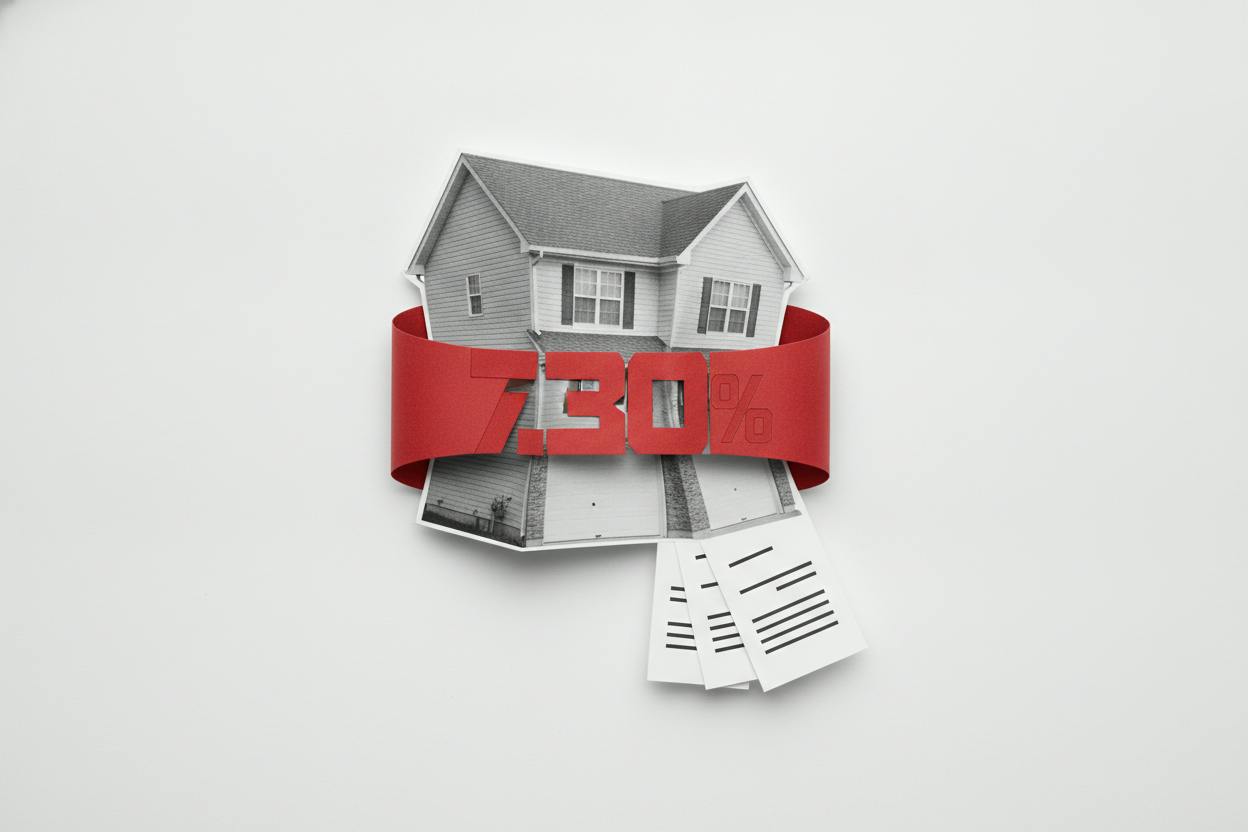
The U.S. housing market is feeling the sting of higher borrowing costs again. The Mortgage Bankers Association (MBA) reported that mortgage applications fell 6% in the week ended September 25, as the average 30-year fixed mortgage rate climbed to 7.30%.
That rise—up from 7.12% the prior week—marks the highest level since November 2023, according to Joel Kan, the MBA's deputy chief economist. The jump in rates has quickly translated into fewer people looking to refinance or buy a home.
What the numbers show
The MBA's weekly survey, which tracks applications from mortgage lenders, showed a broad pullback. Refinancing applications dropped 9%, while purchase applications—those taken out to buy a home—fell 4%.
These moves are typical when rates climb: higher monthly payments make refinancing less attractive for existing homeowners, and they price some would-be buyers out of the market. For a median-priced home, even a modest rate increase can add hundreds of dollars to a monthly payment.
The 30-year fixed-rate mortgage is the most common home loan in the U.S., and its average rate is influenced by a mix of factors, including the Federal Reserve's policy, inflation expectations, and the bond market. When those rates rise, the cost of borrowing for homes goes up across the board.
Why rates are climbing
The recent run-up in mortgage rates comes after a period of relative stability. The Fed has kept its benchmark interest rate elevated to fight inflation, and while it has signaled possible cuts later this year, the bond market has been pricing in a slower pace of easing. That has pushed longer-term yields—like the 10-year Treasury—higher, and mortgage rates tend to track those yields.
This is part of a broader trend seen across the economy. As corporate America faces a refinancing crunch with the era of cheap debt ending, households are also feeling the pinch of higher borrowing costs.
What it means for homebuyers and investors
For everyday investors, this data is a window into the health of the housing market, which is a key part of the U.S. economy. When mortgage applications fall, it often signals slower home sales ahead, which can affect home prices, construction activity, and even consumer spending on furniture and appliances.
For those looking to buy a home, the message is straightforward: rates are higher than they were a year ago, and that means higher monthly payments. But it's worth noting that rates can be volatile, and some buyers may find that waiting for a dip could save them money—though timing the market is never a sure bet.
For investors, the housing sector can be a bellwether. Homebuilders, mortgage lenders, and real estate investment trusts (REITs) often see their stocks move on this kind of data. A sustained drop in mortgage demand could pressure those sectors, while a rebound might signal relief.
Looking ahead
The MBA's data is a weekly snapshot, and one week doesn't make a trend. But the six-week run-up in rates that Kan highlighted suggests that the recent cooling in mortgage demand could continue if rates stay elevated.
Investors will be watching upcoming economic data—especially inflation reports and Fed speeches—for clues about where rates are headed. If inflation cools faster than expected, the Fed might cut rates sooner, which could bring mortgage rates down. If inflation stays sticky, rates could remain high, keeping pressure on the housing market.
In the meantime, the housing market remains in a holding pattern. Sellers are reluctant to give up low-rate mortgages they locked in years ago, and buyers are hesitant to take on higher payments. That dynamic has kept existing-home sales near multi-year lows, and this week's application data suggests that trend is not reversing anytime soon.
For those with a mortgage or considering one, it's a good time to shop around. Lenders often offer different rates, and even a small difference can add up over the life of a loan. And for investors, keeping an eye on the housing market can provide clues about the broader economy's direction.