Indian tyre maker MRF reported a familiar but uncomfortable mix for its latest quarter: sales climbed strongly, but profit fell sharply as the cost of raw materials rose faster than the company could adjust its prices.
For the quarter ended September 30, MRF's profit fell nearly 28% to 3.69 billion rupees (about $44 million), even as revenue rose almost 18% to 85.24 billion rupees, according to Reuters. The numbers show that demand for tyres was not the problem—steady dispatches from automakers kept sales rolling—but the company's total expenses climbed more than 22%, with the cost of materials consumed jumping about 44%.
Why raw material costs are squeezing margins
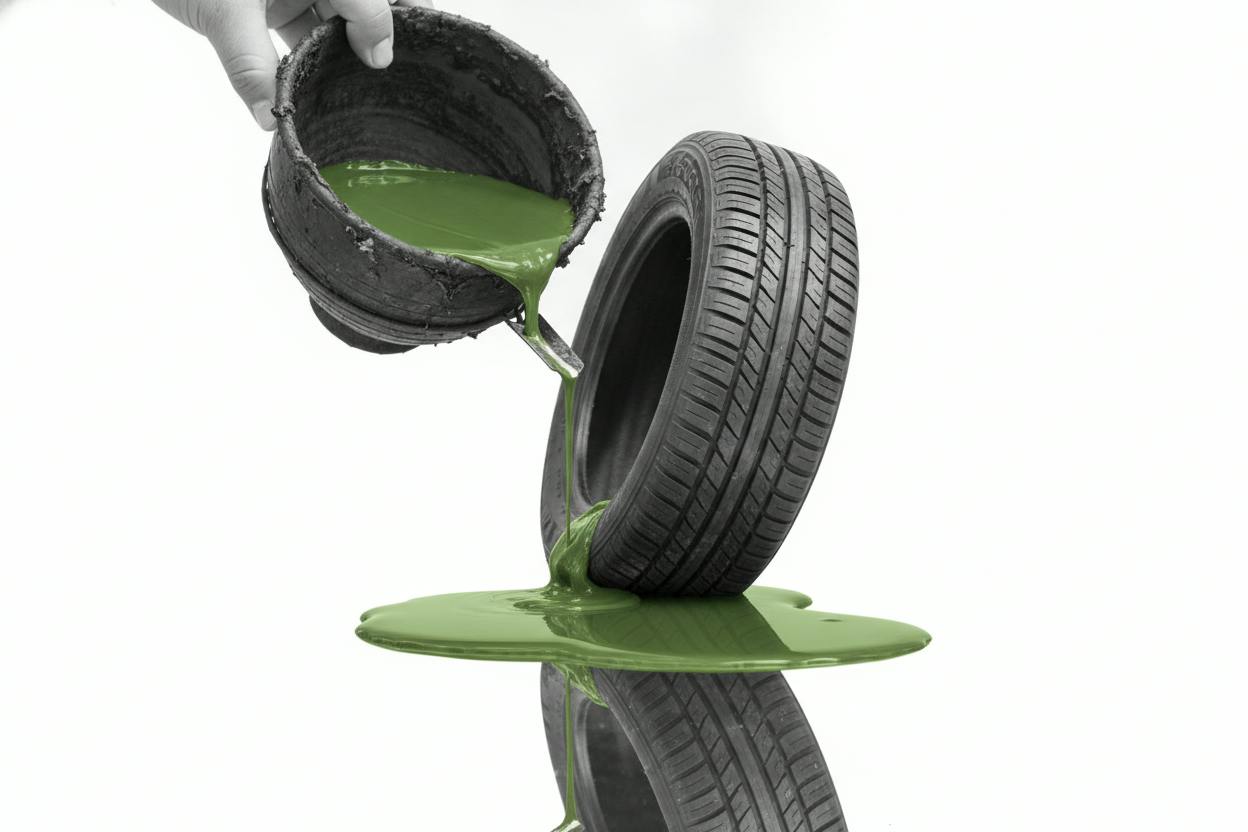
The biggest culprit was natural rubber, a key input for tyres. Supply shortages and bad weather in major producing countries pushed prices higher, and the company also faced broader increases in raw materials linked to the conflict in the Middle East. These cost pressures are not unique to MRF. Rivals JK Tyre and CEAT also posted weaker quarterly earnings, even as they tried to lift prices.
When input costs rise this quickly, a manufacturer's profit depends less on how many tyres it sells and more on timing. Companies can raise prices, but the so-called "pass-through" usually lags. Contracts are often set in advance, dealers work through older inventory, and competitors don't always move in lockstep. That gap is how revenue can jump almost 18% while profit still slides.
What it means for investors
For investors, MRF's 44% jump in materials costs puts margins in the driver's seat. Near-term results across Indian tyre makers like MRF, JK Tyre, and CEAT could swing on raw-material trends rather than demand alone. If rubber prices stay high, margins may remain under pressure until price increases catch up. If costs ease, the opposite could happen—profits could rebound quickly as price hikes finally flow through.
This dynamic is not unique to tyres. Many manufacturers face the same challenge when input costs spike, as seen in other sectors. For example, Target's recent outlook highlighted similar margin pressure despite solid sales. And in the energy sector, Occidental's results showed how higher commodity prices can sometimes offset other headwinds—though for tyre makers, higher raw material costs are a headwind, not a tailwind.
Investors should watch how quickly MRF and its peers can push through price increases. The longer the lag, the more profit suffers. But if demand stays healthy and cost pressures ease, the sector could see a swift recovery in margins.
For everyday investors, this story is a reminder that a company's revenue growth doesn't always translate into profit growth. Costs matter, and timing matters. When a key input like natural rubber spikes, even a well-run company like MRF can see its bottom line take a hit.
As the global economy deals with supply disruptions and geopolitical tensions, raw material costs are likely to remain a wildcard for many manufacturers. Keeping an eye on commodity prices—whether rubber, oil, or metals—can offer clues about future earnings for companies that depend on them.
In the meantime, MRF's results, along with those of JK Tyre and CEAT, suggest that the Indian tyre industry is navigating a tough patch. Demand is there, but profits are being squeezed. How long that lasts depends on the path of raw material prices and the industry's ability to pass on costs.