Struggling European telecoms group Plesio has sketched out a restructuring blueprint that would hand control to its largest investor, FRH, while injecting hundreds of millions in fresh liquidity. The in-principle agreement, reported by Reuters, marks a critical step in the company's efforts to stabilise its balance sheet and avoid a more disorderly outcome.
Under the proposed deal, Plesio would receive €390 million in new liquidity, and its Term Loan B — a type of leveraged loan often used by private equity-owned companies — would be slashed from €1.4 billion to €800 million. The reduction would be achieved by converting a portion of that debt into equity, a classic debt-for-equity swap that dilutes existing shareholders but lightens the company's interest burden.
The restructuring is still described as "in-principle," meaning the broad terms have been agreed but final documentation and creditor sign-off remain. Such deals typically take months to complete and can still unravel if a minority of lenders objects.
What is a Term Loan B and why does it matter?
Term Loan B (TLB) is a type of corporate loan that is syndicated to institutional investors, such as mutual funds and collateralised loan obligations. Unlike traditional bank loans, TLBs are often used by companies with higher leverage and are priced at a floating interest rate, usually a benchmark like SOFR plus a spread. They are common in leveraged buyouts and can be traded on secondary markets.
For Plesio, the TLB has been a heavy burden. With interest rates elevated over the past couple of years, the cost of servicing €1.4 billion in floating-rate debt has eaten into cash flow. Cutting that debt to €800 million not only reduces interest payments but also lowers the company's leverage ratio, making it easier to refinance the remaining debt in the future.
The €390 million liquidity injection is equally important. It gives Plesio breathing room to fund operations, pay suppliers, and invest in its network or services while the restructuring is completed. Without it, the company risked running out of cash.
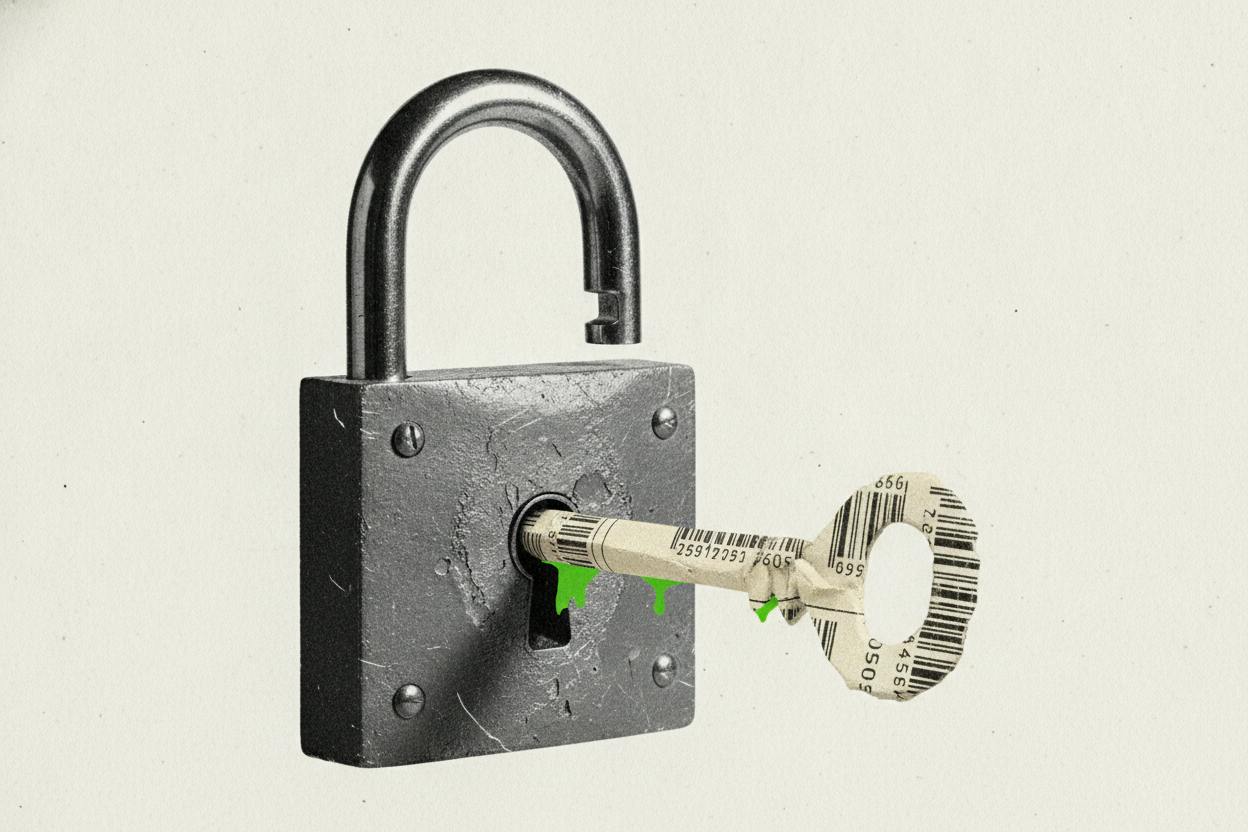
What does handing FRH the keys mean?
FRH, described as Plesio's largest investor, is set to take control of the company as part of the deal. In a debt-for-equity swap, lenders and investors exchange their claims for shares, often wiping out existing shareholders or leaving them with a tiny stake. FRH's increased equity stake would give it a controlling position, allowing it to steer the company's strategy and management.
For everyday investors, this is a familiar pattern in distressed situations. When a company's debt becomes unsustainable, creditors and large investors often step in to protect their interests, converting debt into equity. Existing shareholders, especially retail investors, are typically the biggest losers — their stakes are diluted or rendered worthless.
Plesio's situation echoes other recent restructurings in the telecom and infrastructure sectors, where high debt loads and rising interest costs have forced companies to renegotiate terms. The restructuring at UK housebuilder Vistry and BMW's profit warning due to restructuring costs highlight how widespread balance-sheet stress has become across industries.
What it means for investors
For Plesio's current shareholders, the deal is likely to be painful. Debt-for-equity swaps typically result in massive dilution, and the fact that FRH is gaining control suggests existing equity holders will be left with a much smaller slice of the pie — or possibly nothing at all. Investors who hold Plesio shares should brace for significant losses.
For bondholders and lenders, the picture is more nuanced. Converting debt into equity means they give up the certainty of interest payments in exchange for an ownership stake. If the company recovers, that equity could be worth more than the debt they surrendered. If it doesn't, they could lose more than they would have in a liquidation.
The €390 million injection is a positive sign, as it suggests FRH and the lender group believe the company has a viable future. But it also means they are putting more money in to protect their existing exposure — a classic "throwing good money after bad" risk if the turnaround fails.
For the broader market, this deal is a reminder that high leverage remains a vulnerability in a higher-for-longer interest rate environment. Companies that loaded up on floating-rate debt during the cheap-money era are now feeling the squeeze, and more restructurings are likely. Investors should pay attention to balance sheets and debt maturity profiles when assessing risk.
Plesio's next steps will be to finalise the agreement, secure creditor approval, and execute the capital increase. The market will also watch whether the company can return to sustainable growth under FRH's control. For now, the deal offers a path forward — but it comes at a steep cost to existing shareholders.