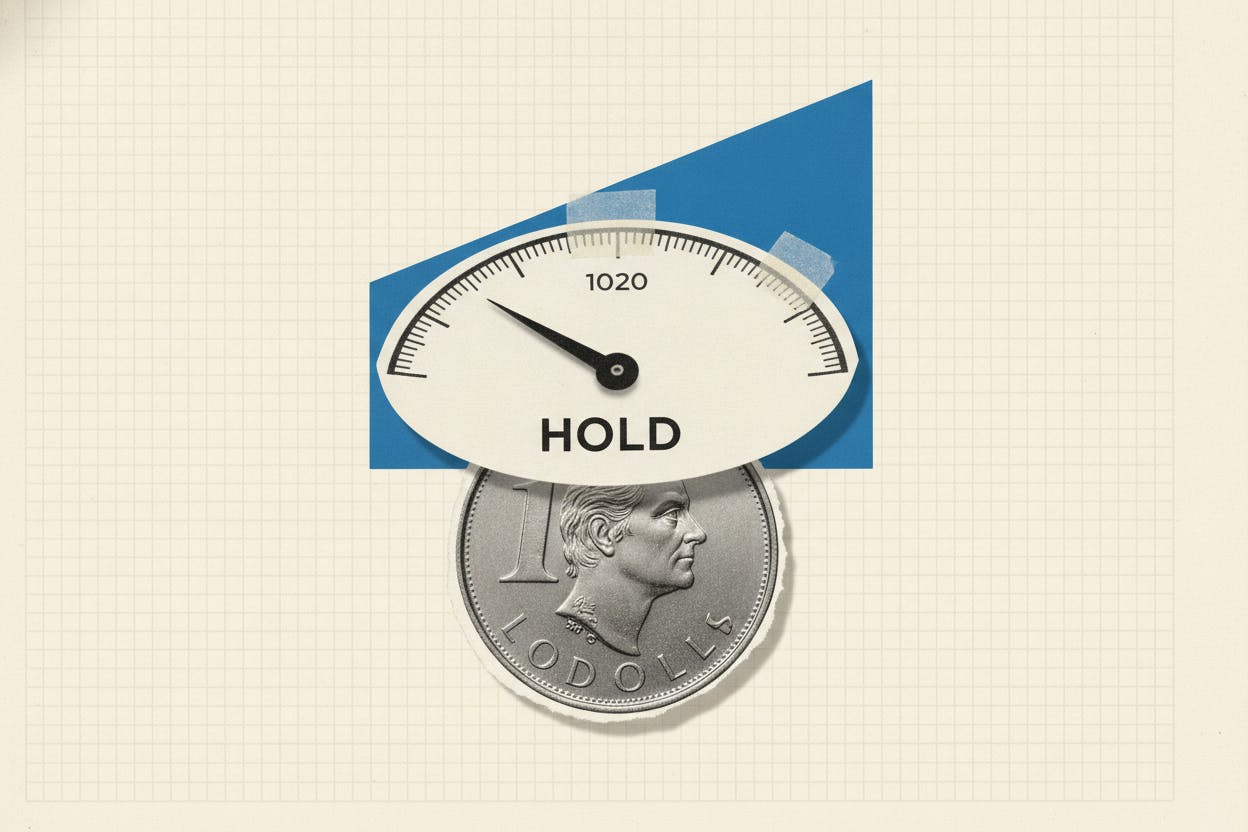
The Canadian dollar faces headwinds heading into the Bank of Canada's policy decision on Wednesday, according to Japanese bank MUFG. In a research note, MUFG's head of research, Derek Halpenny, argued that the central bank is likely to maintain a cautious tone, which could challenge market expectations for rate hikes later this year.
What MUFG Expects from the Bank of Canada
MUFG predicts the Bank of Canada will reiterate a "prolonged hold" stance, citing a mixed economic picture and cooling inflation. This messaging would contrast with current market pricing, which implies nearly 20 basis points of tightening by the end of 2024. If the central bank sounds more dovish than anticipated, traders may scale back those rate hike bets, particularly in short-term bond markets.
The gap between Canadian and US short-term bond yields is a key factor for currency markets. When Canadian yields fall relative to US yields, the Canadian dollar becomes less attractive to global investors seeking higher returns. MUFG sees this dynamic as a potential drag on the loonie, especially around the policy announcement and Governor Tiff Macklem's press conference an hour later.
Non-Rate Headwinds Weigh on the Loonie
Beyond interest rate expectations, MUFG highlighted several other factors that could pressure the Canadian dollar. Trade uncertainty remains a concern, as does the risk of stock market volatility tied to AI-related themes. Additionally, the traditional link between oil prices and the Canadian dollar has weakened, meaning higher crude prices may not provide the usual support for the currency.
These headwinds, combined with the potential for a cautious central bank, tilt the balance of risks toward a weaker Canadian dollar, according to MUFG. The bank sees USD/CAD biased upward in the near term.
What It Means for Investors
For everyday investors, the key takeaway is that currency movements can impact portfolios, especially for those holding Canadian assets or planning international travel. A weaker Canadian dollar makes imported goods more expensive and reduces the value of foreign investments when converted back to loonies.
The Bank of Canada's decision and Macklem's press conference will be closely watched for any shift in tone. If the central bank signals a longer pause, it could lead to a repricing of rate expectations, affecting everything from bond yields to currency markets. Investors should also monitor broader market trends, such as US dollar movements and commodity prices, which often influence the Canadian dollar.
The Broader Context
The Bank of Canada has held its key interest rate at 5% since July 2023, after a series of hikes aimed at curbing inflation. While inflation has cooled from its peak, the economy has shown signs of weakness, including slower growth and a softening labor market. This mixed backdrop leaves the central bank in a cautious position, balancing the need to support growth with the risk of reigniting price pressures.
MUFG's analysis aligns with a broader theme in currency markets: central bank messaging is increasingly driving short-term moves. As other major central banks, like the Federal Reserve, also navigate uncertain economic conditions, the relative appeal of different currencies can shift quickly. For the Canadian dollar, the outcome of Wednesday's decision could set the tone for the weeks ahead.
Investors should also consider the impact of global factors, such as oil price volatility and US inflation data, which can ripple through currency markets. While MUFG's outlook is cautious, the actual outcome will depend on the Bank of Canada's specific language and market reaction.



