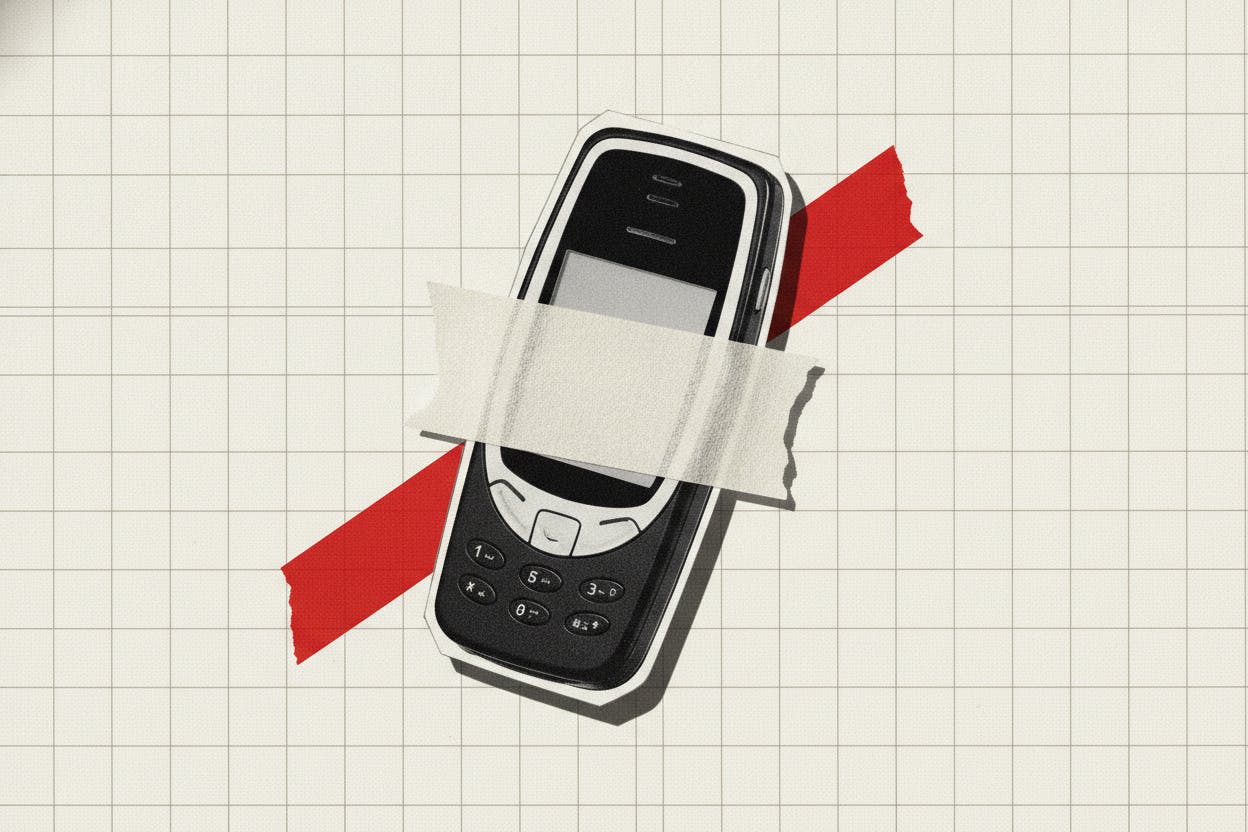
Elon Musk has forcefully rejected a Wall Street Journal report that SpaceX showed investors a prototype of a handset-like artificial intelligence device ahead of its highly anticipated initial public offering. In a post on his social media platform X, Musk called the story “utterly false,” casting doubt on a narrative that had briefly stirred speculation about the company’s future product lineup.
What the WSJ Reported
The Wall Street Journal, citing unnamed sources, reported that SpaceX had presented a concept device to potential investors. According to the report, the prototype was described as a handset-like product that would incorporate AI technology from Musk’s xAI startup and use Qualcomm’s Snapdragon chips. The Journal noted that the project was in its early stages and might never reach production.
Such a device would have marked a significant departure for SpaceX, which is primarily known for its rockets, spacecraft, and Starlink satellite internet service. The report suggested that the company was exploring ways to leverage AI in consumer hardware, potentially expanding its business beyond space and communications.
Musk’s Swift Denial
Musk’s response was immediate and blunt. “Utterly false,” he wrote on X, without providing further details. The denial aligns with his pattern of publicly correcting what he sees as inaccurate reporting, but it also raises questions about the reliability of the Journal’s sources and the nature of any discussions that may have occurred.
It is not uncommon for companies to explore a wide range of ideas internally, and some of those ideas may be shared with investors as part of broader strategic discussions. However, Musk’s categorical rejection suggests that either the report mischaracterized those discussions or that the device concept was never seriously considered.
What This Means for Investors
For everyday investors, the episode highlights the challenges of interpreting pre-IPO speculation. SpaceX is one of the most closely watched private companies, and any hint of a new business line can move sentiment. The idea of an AI-powered device, especially one tied to Musk’s xAI venture, could have added a new dimension to the company’s growth story.
But Musk’s denial underscores the risk of reading too much into early-stage concepts or unconfirmed reports. “Investors should focus on what a company actually does, not on speculative product teasers,” said one analyst who follows the space industry. “SpaceX’s core business is launch services and Starlink. Until there is concrete evidence of a new product, it’s best to treat such reports with caution.”
The incident also serves as a reminder that pre-IPO narratives can be shaped by leaks and rumors, which may not reflect a company’s actual strategy. For those considering investing in SpaceX when it goes public, the key will be to evaluate its financials, competitive position, and long-term plans rather than unconfirmed product rumors.
Broader Context: AI and Hardware
The report came amid a broader wave of interest in AI-powered hardware. Companies across tech are racing to integrate AI into devices, from smartphones to wearables. Qualcomm’s Snapdragon chips are already used in many Android phones and are designed to handle AI tasks locally. Musk’s xAI, meanwhile, is developing its own AI models, including the Grok chatbot.
If SpaceX were to enter this space, it would face stiff competition from established players like Apple, Samsung, and Google, as well as startups. However, the company’s brand and Musk’s track record of disrupting industries could have given it a foothold. For now, that possibility appears to be off the table.
What to Watch Next
Investors should keep an eye on SpaceX’s IPO timeline, which remains uncertain. The company has not officially filed for an IPO, but speculation has persisted for years. Any updates on its financial performance, Starlink’s subscriber growth, or new contracts will be more relevant than unconfirmed product rumors.
For those following the broader AI hardware trend, the episode is a reminder that not every rumor leads to a real product. As always, separating hype from substance is key to making informed investment decisions.