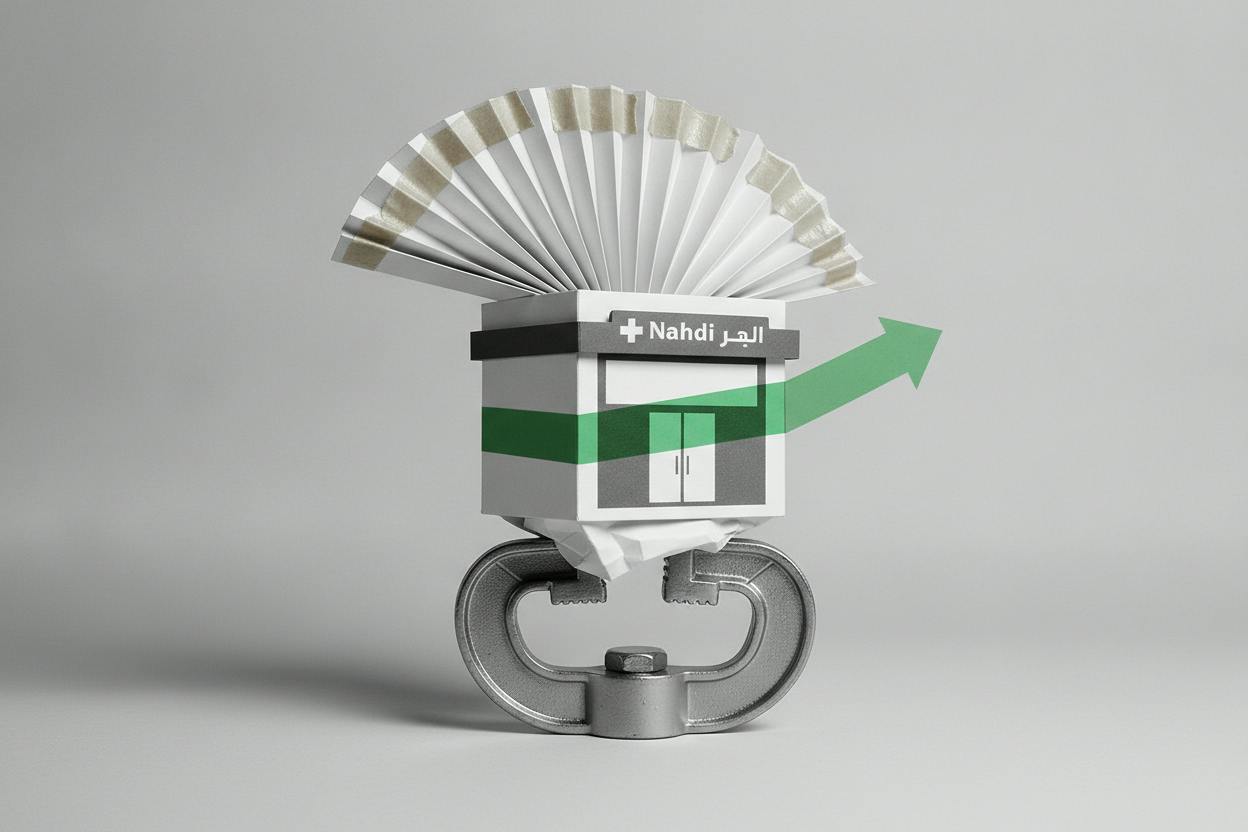
Saudi Arabia's largest pharmacy chain, Nahdi Medical, delivered solid top-line growth in the third quarter, with revenue climbing 9.4% to 2.69 billion Saudi riyals. But the company's strategy to diversify beyond its core retail pharmacy business is keeping costs elevated and margins under pressure, according to a note from SNB Capital Research.
The research arm of Saudi investment bank SNB Capital highlighted that while the revenue figure shows healthy demand, the investments in new areas are weighing on profitability in the short term. For everyday investors, this is a classic growth-versus-margin trade-off: the company is spending now to build future revenue streams, but those costs are eating into what it keeps from each sale.
What is Nahdi and why does it matter?
Nahdi Medical Company is a leading pharmacy retailer in Saudi Arabia, operating hundreds of stores across the kingdom. It is a household name for prescription medicines, over-the-counter drugs, and personal care products. The company is also a significant player in the region's healthcare retail sector, and its performance is often seen as a barometer for consumer spending on health and wellness in the Gulf.
The 9.4% revenue increase to 2.69 billion riyals (roughly $717 million) suggests that the company's core business remains resilient. Pharmacy retail tends to be less cyclical than other consumer sectors because people need medicines regardless of the economic climate. That defensive quality is one reason investors often view pharmacy chains as stable, dividend-paying holdings.
The diversification push and its costs
Nahdi has been investing in areas beyond its traditional store network, including digital health services, e-commerce, and possibly new product categories. These moves are designed to capture a larger share of the healthcare market and to future-proof the business as online shopping becomes more common.
However, such initiatives typically require upfront spending on technology, marketing, and logistics. SNB Capital's note suggests these investments are lifting operating costs in the near term, which compresses margins. This is not unusual: many companies that expand into new lines of business see their profitability dip before the investments start paying off.
For context, other firms have faced similar dynamics. For instance, Logitech's shares slid despite a profit beat because its margin outlook disappointed, and Adyen's surprise margin cut hit its shares as hiring costs climbed. These examples show how sensitive markets can be to margin pressure, even when growth is solid.
What it means for investors
For shareholders, the key question is whether Nahdi's diversification will eventually generate enough revenue to justify the current cost burden. If the new ventures succeed, they could provide additional growth engines and reduce reliance on the mature pharmacy retail segment. If they don't, margins could stay under pressure for longer than expected.
Investors should also watch how the company manages its balance sheet. Heavy spending on new initiatives can increase debt or reduce cash flow, which might affect future dividends or share buybacks. Nahdi has historically been a reliable dividend payer, so any change in that area would be closely scrutinized.
SNB Capital's research note is a signal that analysts are paying close attention to these cost trends. The fact that the bank highlighted margin pressure suggests that while the revenue growth is welcome, the market may need to adjust its expectations for near-term profitability.
Broader market context
Nahdi's results come at a time when Saudi Arabia's economy is diversifying away from oil, with the government encouraging private sector growth in healthcare and other sectors. This macro backdrop supports companies like Nahdi, but it also brings more competition as new entrants look to tap into the growing demand for health services.
For everyday investors, the takeaway is that Nahdi's growth story is intact, but the path to higher profits may be bumpier than the top-line numbers suggest. As with any company investing heavily in its future, patience is required. The next few quarters will be crucial to see if the diversification strategy starts to translate into improved margins.
In the meantime, investors might compare Nahdi's situation to other companies that have managed similar transitions. For example, Vedanta's Q2 profit rose as commodity prices widened its margins, showing how external factors can offset internal cost pressures. Conversely, Symrise warned of cooling growth and tighter margins, a reminder that even well-run companies face headwinds.
Ultimately, Nahdi's solid revenue growth is a positive sign, but the margin pressure is a caution flag. Investors should monitor the company's next earnings reports for any signs that the diversification investments are beginning to pay off. Until then, the stock may trade with a degree of uncertainty as the market weighs the long-term potential against the short-term costs.