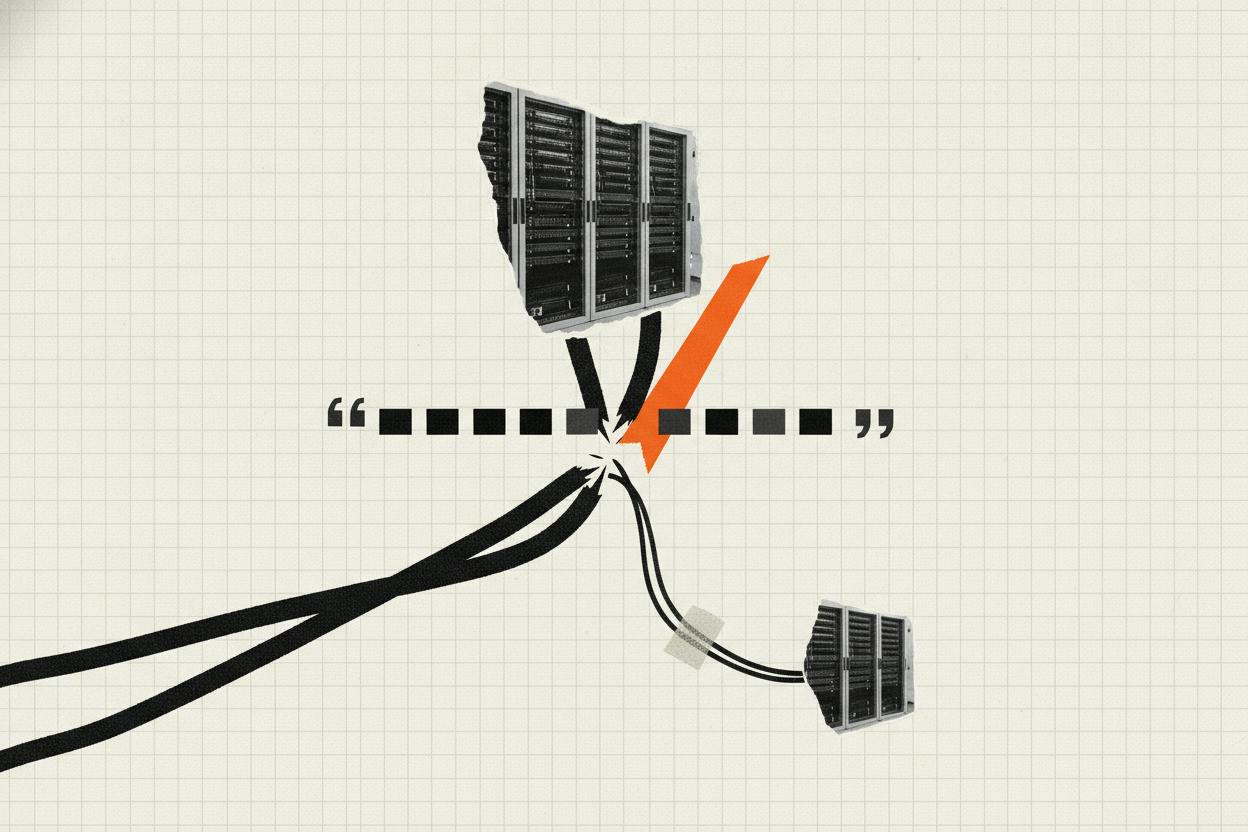
Nasdaq experienced a network disruption at its Carteret, New Jersey data center on Thursday, which knocked out parts of its two main real-time market-data feeds. The issue created intermittent gaps in data across its US equities venues, including Nasdaq, Nasdaq Texas, and Nasdaq PSX. The exchange sent an alert at 11:27:50 a.m. ET, saying the problem was affecting multiple data streams and both its hardware and software feeds.
In response, Nasdaq instructed clients to switch to backup feeds running from its Chicago facility so that trading systems could continue receiving quotes. This is a standard contingency procedure designed to keep markets functioning when primary infrastructure fails.
Why market data feeds matter
Market data feeds are the lifeblood of modern trading. They deliver real-time prices, quotes, and trade information to brokers, market makers, and automated systems. These systems rely on fresh data to decide where to route orders, how to price trades, and when to buy or sell. Even brief gaps in data can cause confusion, widen spreads, or lead to missed opportunities.
Nasdaq's "A" and "B" feeds are among the most widely used in the US equities market. They provide consolidated and proprietary data that many trading firms depend on. When these feeds are disrupted, the impact can ripple across the broader market, affecting liquidity and price discovery.
What happened and what's next
The exact cause of the network disruption has not been disclosed, but Nasdaq said it was working to resolve the issue and would provide updates. Clients were asked to request data recovery to fill in any gaps that occurred during the outage. This is a common step after such incidents, as it helps ensure that historical records are complete and accurate.
For everyday investors, this type of outage is largely invisible. Most retail trading platforms receive data through their brokers, who have their own redundancies and backup systems. However, the incident highlights how dependent the financial system is on a few critical infrastructure points. When those points fail, even briefly, it can create uncertainty in the market.
What it means for investors
For most investors, this outage is unlikely to have a direct impact on their portfolios. The market continued to operate, and backup systems were activated quickly. However, it serves as a reminder that market infrastructure is not infallible. Events like this can cause temporary volatility or unusual trading patterns, especially for active traders who rely on real-time data.
Investors should also be aware that such disruptions can sometimes lead to regulatory scrutiny. Exchanges are required to maintain robust systems, and outages may prompt reviews by the Securities and Exchange Commission (SEC) or other regulators. In the past, similar incidents have led to fines or demands for improved resilience.
For those interested in the broader market context, this outage comes at a time when emerging markets have been hit by US inflation jolts, and credit markets are flashing warning signs. While the Nasdaq issue is operational rather than economic, it adds to a backdrop of heightened sensitivity to market disruptions.
In the end, the key takeaway is that the system worked as designed: backups were available, and trading continued. But the incident underscores the importance of redundancy in financial infrastructure. For investors, it's a reminder to stay informed and not overreact to short-term technical glitches.
As Nasdaq works to recover data and restore full service, market participants will be watching to see if any lasting effects emerge. For now, the outage appears to be a contained event, but it serves as a useful lesson in the fragility of the systems that underpin modern markets.