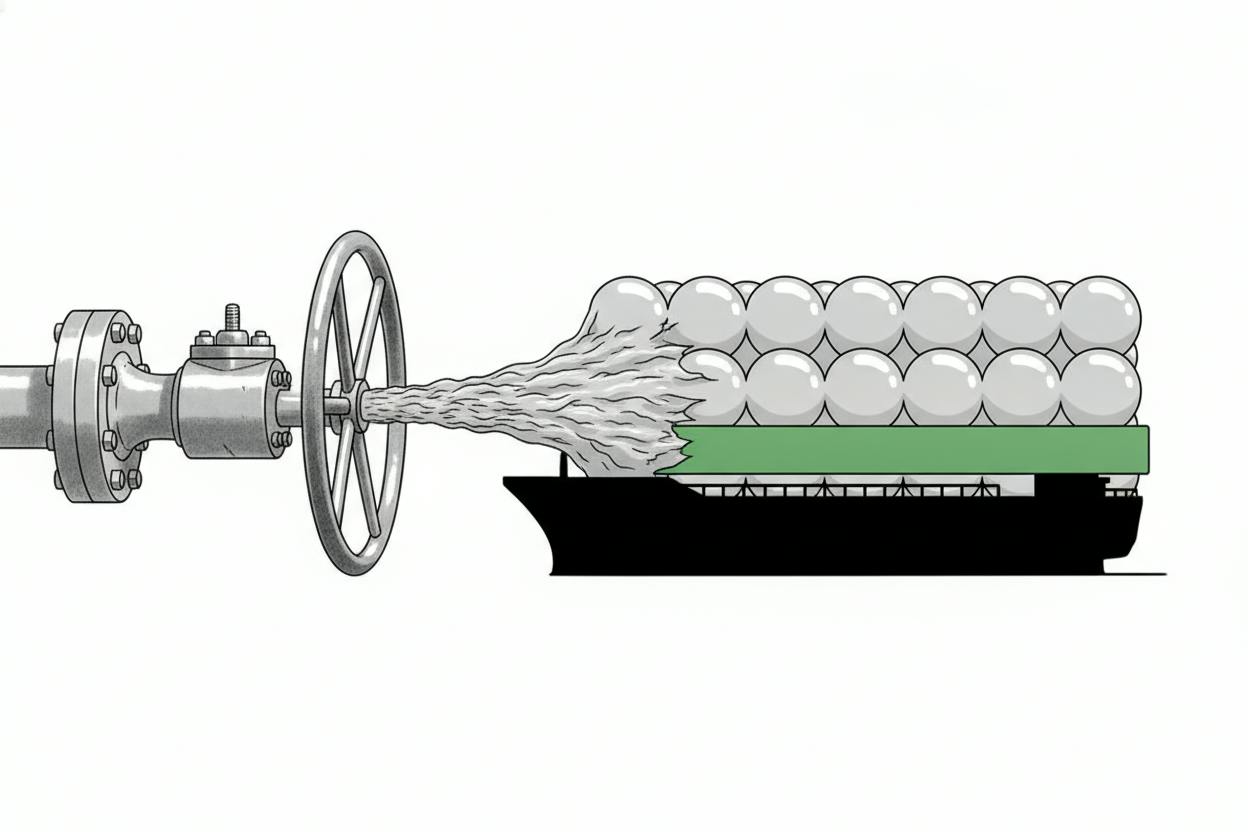
US natural gas futures climbed about 2% on Tuesday, with the November NYMEX contract trading at $2.662 per million British thermal units (mmBtu) just before its expiration. The uptick came as flows of gas to liquefied natural gas (LNG) export plants rose to 18.3 billion cubic feet per day (bcfd) in October, according to Reuters.
For everyday investors, natural gas futures can be a volatile and complex market. The price of natural gas is driven by a mix of weather, supply, storage, and export demand. When futures contracts near expiration, traders often adjust positions, which can cause short-term price swings.
Why LNG exports matter
LNG export feedgas is the natural gas that is piped to coastal facilities, where it is cooled into liquid form and shipped overseas. Higher feedgas flows mean more US gas is being sold to international buyers, which reduces the amount available domestically and tends to support prices.
The 18.3 bcfd figure for October represents a solid level of export activity. For context, US LNG export capacity has grown significantly in recent years, making the country one of the world's largest exporters. This has tied domestic natural gas prices more closely to global demand, especially in Europe and Asia, where buyers use LNG to replace other fuels.
When export demand is strong, it can offset weak domestic consumption, such as during mild weather when heating or cooling needs are low. That dynamic appears to be at play now, as the market balances robust exports against seasonal demand patterns.
What's driving the price move
The 2% gain ahead of expiration is notable but not unusual. As the November contract approaches its final trading day, traders who hold positions must either close them out or take delivery of the physical gas. This can lead to increased volatility and price moves that reflect the balance of supply and demand at that moment.
The rise in LNG feedgas flows is a clear supportive factor. However, investors should also consider the broader picture. Natural gas prices have been under pressure this year due to mild weather and ample storage levels. In fact, natural gas recently hit a six-month low as mild weather trimmed heating demand, highlighting how sensitive the market is to temperature forecasts.
Storage levels are another key metric. When storage is high, prices tend to stay low unless demand picks up sharply. Export demand can help absorb some of that surplus, but it may not be enough to offset a warm winter.
What it means for investors
For those who invest in natural gas producers, pipeline companies, or exchange-traded funds (ETFs) tied to the commodity, the current price action offers a snapshot of the market's mood. A rise in futures can signal that traders see tighter supply ahead, but it is important to remember that futures prices reflect expectations, not guarantees.
Investors should also watch the broader energy complex. Crude oil prices, for example, can influence natural gas indirectly, as some industrial users can switch between fuels. Additionally, oil price movements often affect energy stocks and the overall market sentiment.
The expiration of the November contract will shift attention to the December contract, which is more closely tied to winter heating demand. If forecasts call for colder-than-normal temperatures, prices could rally further. Conversely, a mild start to winter could cap gains.
For the average investor, the key takeaway is that natural gas remains a highly cyclical and weather-dependent commodity. While export growth provides a long-term demand base, short-term price swings can be sharp. Diversification and a long-term perspective are essential when considering exposure to this sector.
As always, it's wise to keep an eye on weekly storage reports from the US Energy Information Administration, which provide the most direct read on supply and demand balances. Those reports often move prices more than any single day's trading activity.
In the meantime, the 2% rise ahead of expiration is a modest but positive signal for natural gas bulls, driven by the steady flow of gas to export terminals. Whether that momentum continues will depend on weather, storage, and global demand for US LNG.