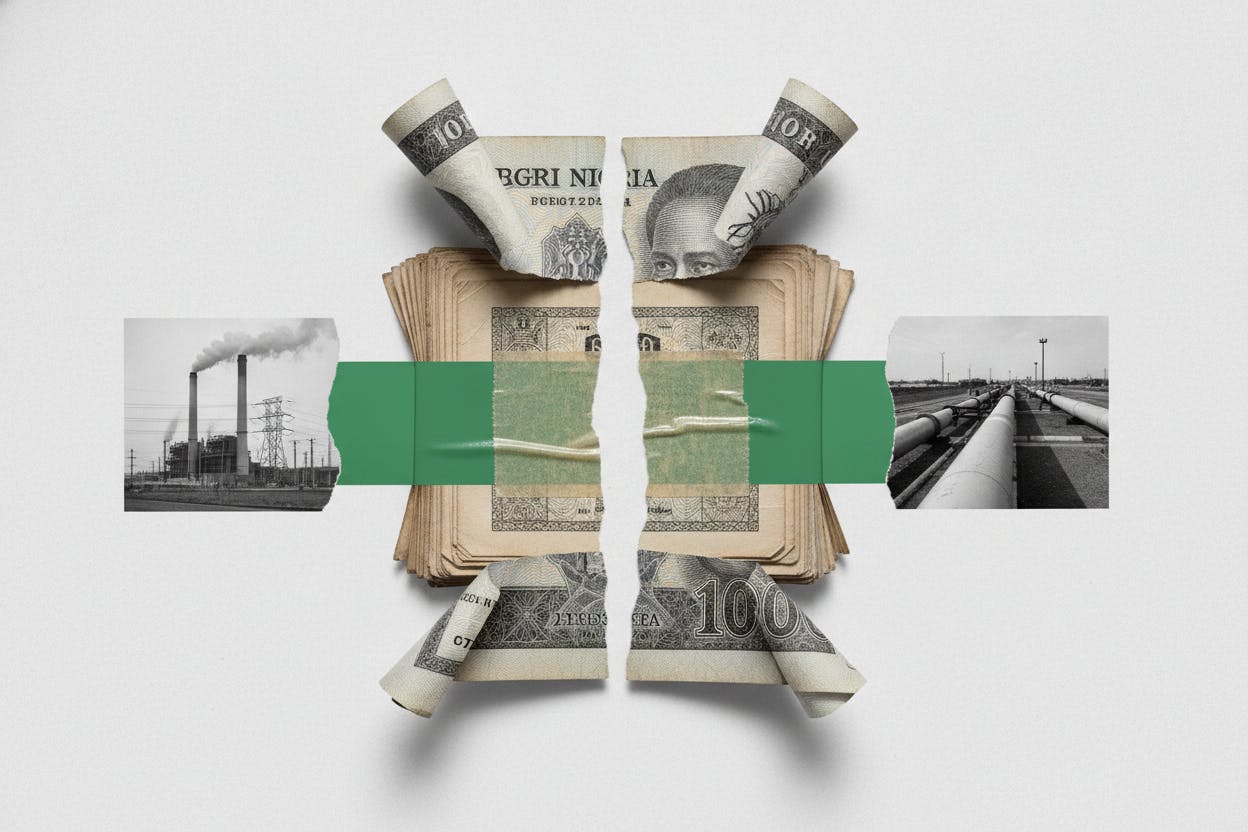
Nigeria has taken a significant step to address chronic financial bottlenecks in its power sector by selling a 729 billion naira (approximately $531.93 million) government-guaranteed bond. The proceeds are earmarked to pay verified, long-overdue liabilities to electricity generators and gas suppliers, according to a Reuters report.
What's Behind the Bond Sale?
The Nigerian power sector has long struggled with a liquidity crisis, where distribution companies often fail to collect enough revenue from consumers to pay generators and gas providers. This has created a cycle of unpaid debts that undermines investment and reliability. The bond, backed by the government, is designed to clear these verified obligations and inject much-needed cash into the system.
By settling these debts, the government hopes to restore confidence among power producers and fuel suppliers, many of whom have threatened to reduce output or halt operations due to non-payment. The move is part of broader efforts to stabilize the electricity chain, which is critical for Africa's largest economy and its growing population.
Context: Nigeria's Power Sector Challenges
Nigeria's electricity industry was privatized in 2013, but the sector remains plagued by inefficiencies. Generation capacity often exceeds what the grid can distribute, and many consumers face unreliable supply. The liquidity gap—estimated at billions of dollars over the years—has been a major hurdle, deterring private investment and leading to frequent grid collapses.
This bond issuance follows similar government interventions in the past, including bailouts and tariff adjustments. However, the current approach uses a market-based instrument—a government-guaranteed bond—to address the debt without immediate cash outlay, spreading the cost over time. The bond's success could set a precedent for how Nigeria manages other state-backed liabilities.
For context, other emerging markets have also used bonds to clear energy sector debts. For instance, Bolivia's recent IMF deal aimed to rebuild reserves amid economic unrest, highlighting how governments often turn to financial instruments to address systemic issues.
What It Means for Investors
For everyday investors, this development signals a potential improvement in Nigeria's power sector stability, which could have ripple effects across the economy. A more reliable electricity supply can boost business productivity, reduce costs for companies, and support economic growth—factors that may benefit Nigerian stocks and bonds over the long term.
However, investors should note that the bond is government-guaranteed, meaning it carries sovereign credit risk. Nigeria's debt levels are high, and its currency, the naira, has faced pressure. The bond's yield will reflect these risks, and investors should consider the broader macroeconomic environment, including inflation and foreign exchange volatility.
The power sector's health is also closely tied to oil and gas prices, as Nigeria relies heavily on gas-fired generation. Recent volatility in crude markets, similar to what HPCL experienced with soaring crude costs, can affect input costs for power producers. Additionally, currency fluctuations, like those that prompted India's RBI to sell dollars, can impact the naira's value and the bond's attractiveness to foreign investors.
Looking Ahead
The bond sale is a positive step, but it is not a silver bullet. Long-term solutions require structural reforms, including improved tariff collection, reduced transmission losses, and better governance. Investors will watch for further policy actions, such as tariff adjustments or privatization of distribution companies, which could signal deeper changes.
For now, the bond provides temporary relief to power sector players, potentially averting a crisis. If successful, it could pave the way for more such issuances, helping to clear the backlog of debts and restore confidence in Nigeria's electricity market.