Bolivia is on the verge of securing a financial lifeline from the International Monetary Fund (IMF) worth up to $2.8 billion, according to the country's economy minister. The deal, described as being "days away," is aimed at shoring up the nation's depleted foreign exchange reserves and could unlock more than $5 billion in total financing this year.
What the IMF Deal Entails
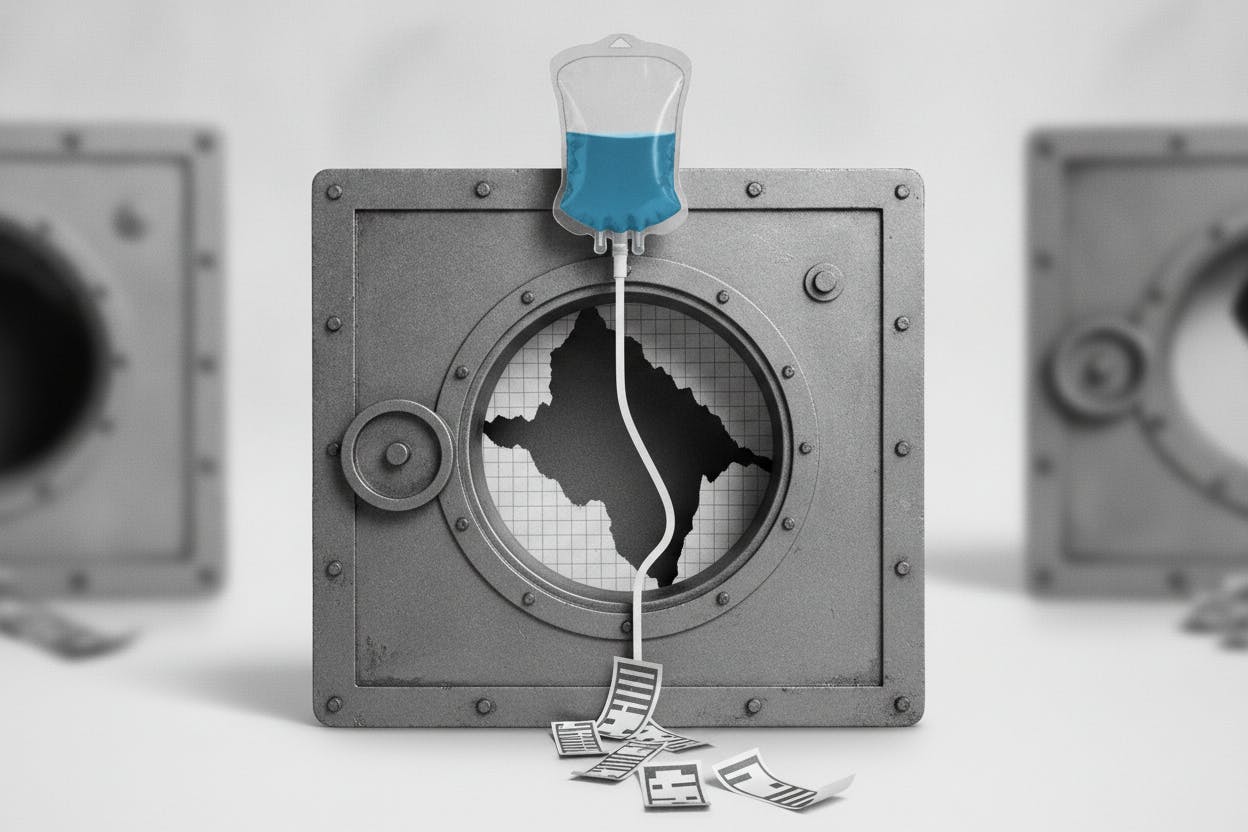
Economy Minister Gabriel Espinoza told Reuters that more than half of the funds should arrive by early September. These funds are earmarked specifically to rebuild Bolivia's foreign currency reserves, which have been under severe strain. The central bank's reserves act as a dollar buffer for paying for imports and servicing foreign debt. When reserves run thin, it can spark fears of payment difficulties or a sharper currency depreciation.
The IMF program is expected to provide an initial tranche of roughly $1.4-1.5 billion, with the remainder disbursed over time. Beyond the direct IMF funding, the deal is also seen as a catalyst for additional financing from other international lenders, potentially bringing total support to over $5 billion this year. This broader package would help stabilize Bolivia's economy, which has been rocked by weeks of roadblocks and social unrest that disrupted supply chains and strained public finances.
Why Reserves Matter for Investors
Foreign exchange reserves are a key indicator of a country's economic health. They represent the central bank's holdings of foreign currencies, typically dollars, euros, or gold. These reserves are used to intervene in currency markets to prevent excessive volatility, pay for essential imports like food and fuel, and meet debt obligations. When reserves fall to low levels, it can signal that a country is struggling to manage its external payments, often leading to credit rating downgrades and higher borrowing costs.
For Bolivia, rebuilding reserves is critical. The country has faced a severe dollar shortage in recent months, with long lines at banks and a thriving black market for foreign currency. The IMF deal aims to alleviate this by injecting dollars directly into the central bank's coffers. This should help stabilize the boliviano, Bolivia's currency, and restore confidence among businesses and investors.
The situation echoes challenges seen in other emerging markets. For instance, India's central bank, the RBI, has been actively selling dollars to defend the rupee amid rising oil prices, as we covered in "RBI Sold $6.1 Billion in May to Defend Rupee as Oil Prices Surged". Similarly, Bolivia's reserve rebuilding effort is a defensive move to protect its currency and maintain economic stability.
Broader Economic Context
Bolivia's economy has been under pressure from multiple fronts. The country is a major producer of natural gas, but declining output and lower global prices have reduced export revenues. At the same time, political instability and social protests have disrupted economic activity. The government has also been grappling with a widening fiscal deficit, as spending on subsidies and social programs outpaces revenue.
The IMF deal is seen as a vote of confidence in the government's economic management, but it comes with conditions. Typically, IMF programs require recipient countries to implement reforms such as reducing subsidies, cutting spending, or tightening monetary policy. These measures can be politically unpopular but are often necessary to restore fiscal discipline and attract private investment.
Investors should watch for details on the specific conditions attached to the loan. If the IMF demands austerity measures, it could lead to further social unrest in the short term. However, successful implementation could pave the way for stronger economic fundamentals and improved access to international capital markets.
What It Means for Everyday Investors
For investors with exposure to emerging markets, Bolivia's IMF deal is a positive signal. It reduces the risk of a sovereign default or a sharp currency devaluation, which could have ripple effects across Latin American assets. However, the situation remains fragile. The success of the program depends on the government's ability to implement reforms and maintain social stability.
Investors in Bolivian bonds or local stocks should monitor the disbursement schedule and any signs of political backlash. The IMF's involvement often provides a floor for asset prices, but it does not eliminate risk. Diversification remains key, as emerging market investments can be volatile.
For those interested in how central banks manage reserves, the RBI's recent efforts to defend the rupee offer a useful comparison. In "RBI's $20 Billion Deposit Drive Barely Lifts Reserves as Forward Book Shrinks", we explored how even large-scale interventions can have limited impact if underlying pressures persist. Bolivia's challenge is similar: rebuilding reserves is only the first step toward long-term stability.
Overall, the IMF deal provides a crucial buffer for Bolivia, but investors should remain cautious. The next few months will be critical as the government implements reforms and the first tranche of funds arrives. If successful, the country could emerge stronger; if not, the risks of further economic turmoil remain high.