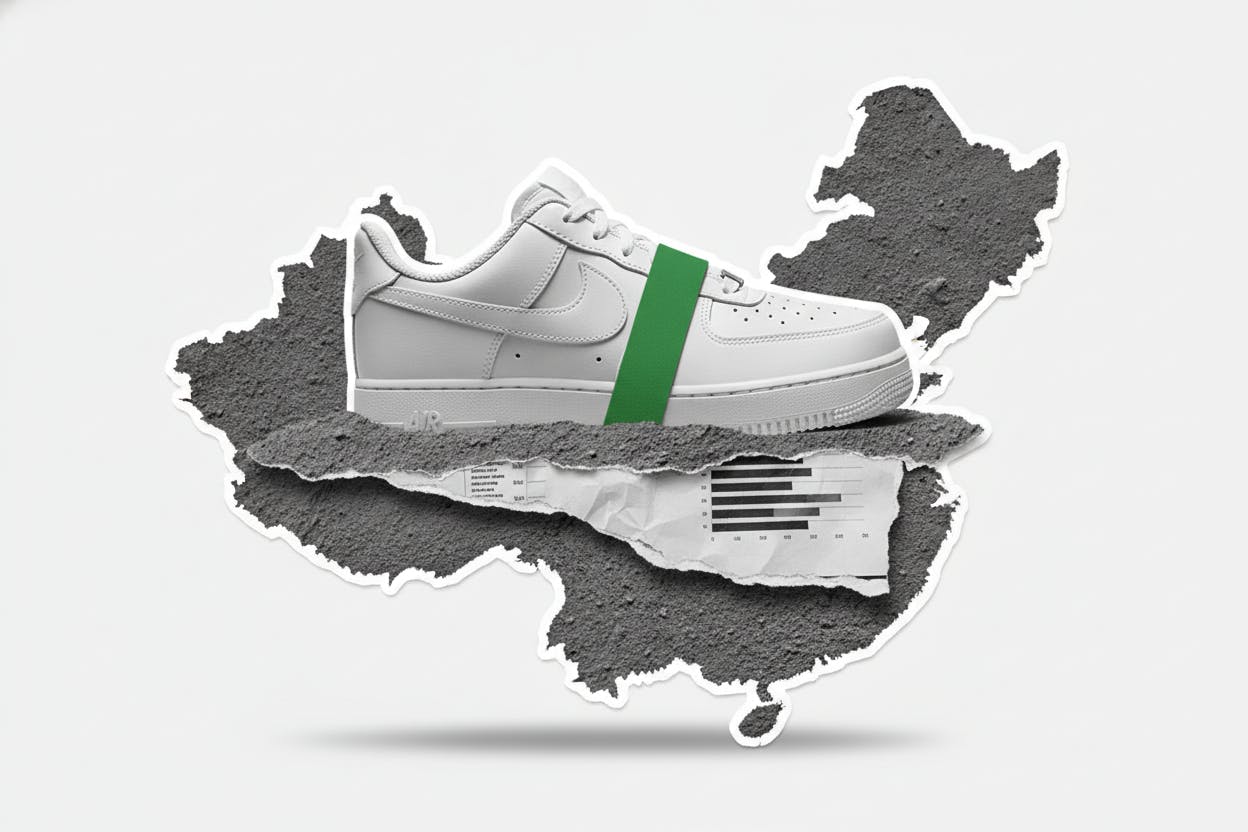
Nike shares slipped on Thursday after the sneaker giant signaled that its turnaround is still dragging, with sales in China falling 17% and total revenue expected to keep declining into the first half of fiscal 2027. The update was a classic “better than feared, but not better enough” moment for investors who had hoped the recovery would accelerate sooner.
Fourth-quarter revenue fell 4% to $10.97 billion, slightly above analyst expectations. But the bright spot was dimmed by a sharp drop in Greater China, a region that accounts for about 15% of Nike’s annual sales. The company is working with retail partners to clear excess inventory, a process that has weighed on revenue and margins.
Why the turnaround is taking longer
CEO Elliott Hill’s “Win Now” plan was supposed to speed up Nike’s recovery through cost cuts, tighter inventory control, and a reorganization that aligns products and marketing more closely around sports. But the latest numbers suggest those efforts are taking time to show results. Management now expects revenue to decline by a low-to-mid-single-digit percentage in the first half of fiscal 2027, extending the timeline investors were hoping would shorten.
Analysts are split on the shape of the recovery. Cristina Fernandez at Telsey Advisory Group said trends look unlikely to rebound meaningfully before fiscal 2028. Jefferies argued the core business is stabilizing but flagged ongoing weakness in sportswear and Jordan streetwear. The mixed views highlight the uncertainty around Nike’s path back to growth.
The read-through hit rivals too: Adidas and Puma shares also dipped, a reminder that demand in key categories is soft and competition in China is intense. Local brands like Anta and Li Ning have been gaining market share, making it harder for Nike to regain its footing in the region.
What it means for investors
When a company pushes out its recovery timeline, the market often reacts even if the latest quarter beats expectations. The reason is simple: analysts start revising down near-term earnings forecasts and become less willing to pay a premium valuation for a turnaround that’s taking longer. For Nike, the mechanism is mostly time and mix. Clearing inventory, rebuilding full-price demand, and refreshing product lines can lift margins, but they tend to happen gradually.
So even if revenue occasionally surprises on the upside, the stock can stay sensitive to estimate cuts and valuation “multiple compression” if investors conclude that meaningful growth is still a year or two away. The broader market context also matters: rising bond yields and uncertainty around consumer spending have made investors more cautious about retail stocks. For context, US car sales stayed flat in Q2 as affluent buyers and hybrids offset higher gas prices, a sign that consumer behavior is shifting.
Nike’s China struggles also tie into broader trends in the region. China stocks rose as factory data extended a seven-month run, but the consumer sector remains under pressure. Local competition and changing tastes have made it harder for global brands to maintain their edge.
For everyday investors, the key takeaway is that Nike’s turnaround is a slow process, not a quick fix. The company is doing the right things—cutting costs, managing inventory, and refocusing on sports—but it will take time for those efforts to show up in the numbers. In the meantime, the stock is likely to remain volatile as analysts adjust their forecasts and the market waits for clearer signs of recovery.
Investors should also watch how Nike’s performance affects the broader retail and apparel sector. Deutsche Bank saw Zalando sales jump 25% but warned on margin pressure, a reminder that even strong sales growth doesn’t always translate into profits. For Nike, the focus will be on whether it can rebuild full-price demand and refresh its product lineup to win back customers.