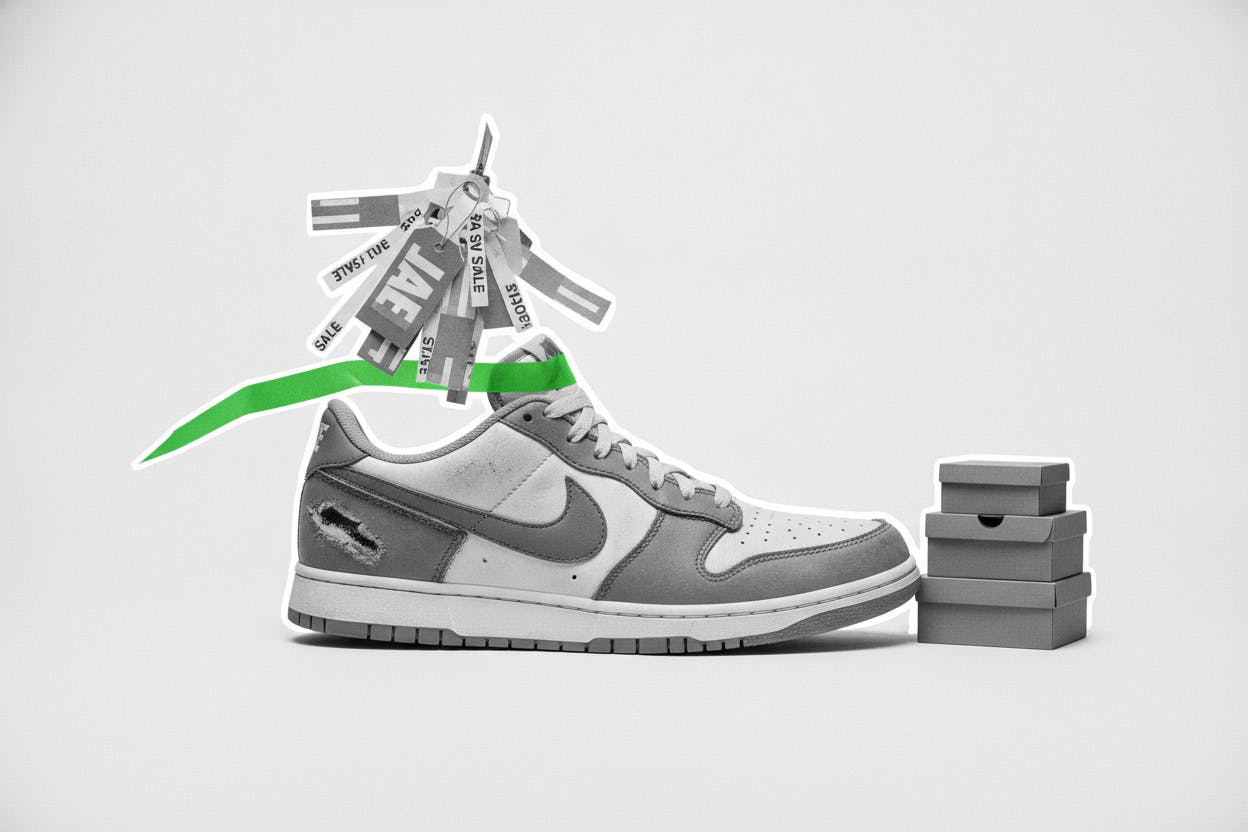
Nike reported quarterly revenue of $10.97 billion, slightly above the $10.86 billion analysts had expected, as CEO Elliott Hill tries to convince investors that his turnaround strategy is gaining traction. The sneaker giant's shares have fallen 35% this year, and the modest beat offers a glimmer of hope, but the details reveal a more complex picture.
What's Behind the Numbers
Hill, who took the helm in 2024, is steering Nike back to its roots. The company plans to double down on core sports like soccer and running, while rebuilding relationships with wholesale retailers after a previous push to sell more directly to consumers. This shift comes as Nike works through an excess of lifestyle-focused inventory, which has forced it to discount older products and squeeze profit margins.
The latest quarter didn't fully settle investor concerns. Earnings per share came in at 72 cents, but 52 cents of that came from a one-time benefit tied to the expected recovery of import tariffs. Without that boost, operating earnings were much lower, highlighting the ongoing pressure from discounting and inventory cleanup.
Why Investors Are Watching Margins
Turnarounds live or die on repeatable profits, so investors typically back out one-time items to gauge what a business can earn in a normal quarter. In Nike's case, that means focusing on earnings without the tariff-related boost and whether discounting to clear older lifestyle inventory is easing. If margin pressure persists, a revenue beat can be fleeting because higher sales from markdowns don't translate into stronger profitability.
The key read-through for the stock is the pace of margin repair and inventory cleanup, not just the $10.97 billion top-line figure. Nike is also investing heavily in marketing, including big moments like this year's World Cup, to steady demand. This spending adds to near-term costs but is meant to reignite consumer interest in its core sports categories.
What It Means for Everyday Investors
For investors, Nike's story is about whether the company can return to sustainable growth. The revenue beat is a positive sign, but the one-time earnings boost and ongoing discounting mean the underlying business is still in transition. Investors should watch for signs that inventory levels are normalizing and that margins are improving, as these will be the true tests of Hill's turnaround.
Nike's focus on sports like soccer and running, along with rebuilding wholesale ties, could help stabilize the business. However, the company faces competition from newer brands and changing consumer preferences. The broader market backdrop, including potential tariff impacts and consumer spending trends, will also play a role.
For context, other companies have faced similar inventory challenges. For example, Celsius Core Sales Slow as SKU Trim Bites, but Alani Nu Growth Offers Hope: UBS shows how inventory management can affect performance. Similarly, Urban Outfitters Sees Sales Growth from Free People and Nuuly, But Cash Conversion Lags highlights the importance of cash flow and margins in retail.
Nike's next steps will be closely watched. If the company can clear excess inventory without deep discounts and rebuild wholesale relationships, it could set the stage for a stronger recovery. But for now, the modest sales beat is just the first step in a longer turnaround journey.