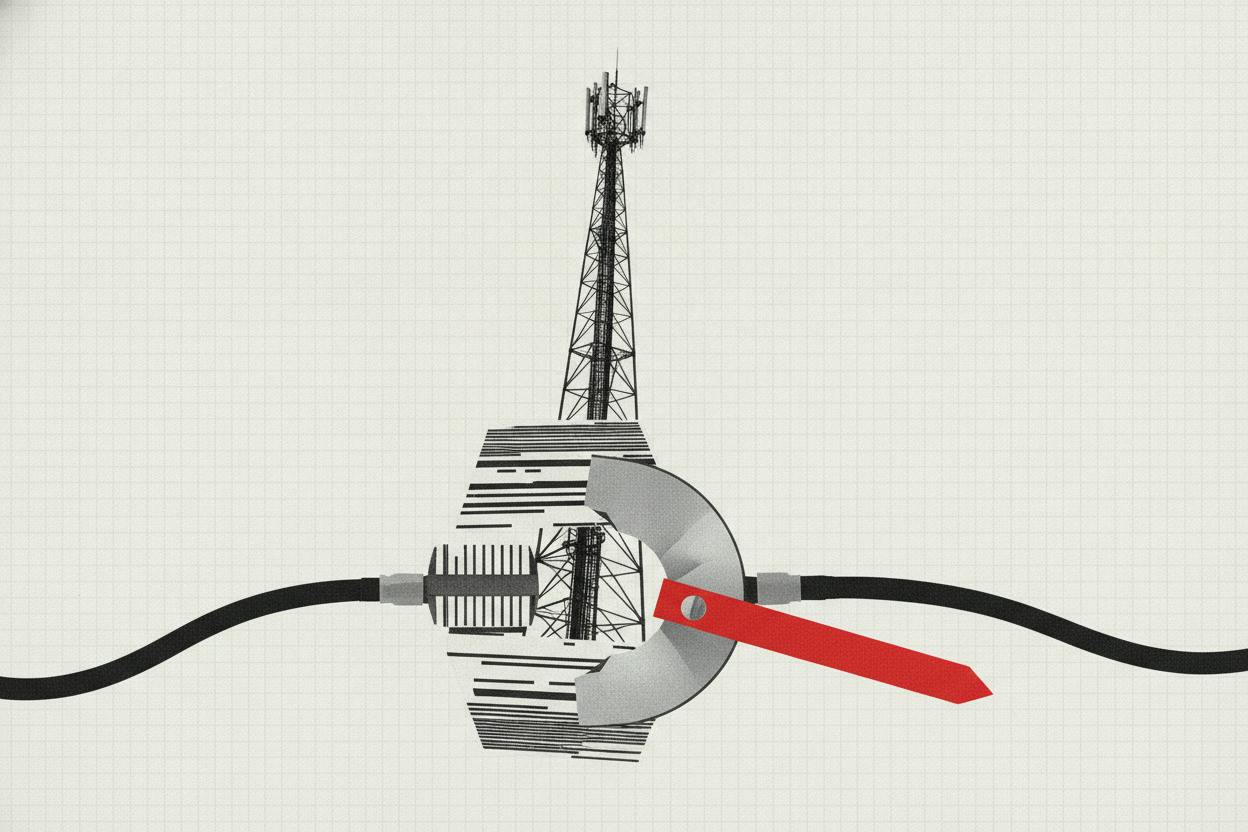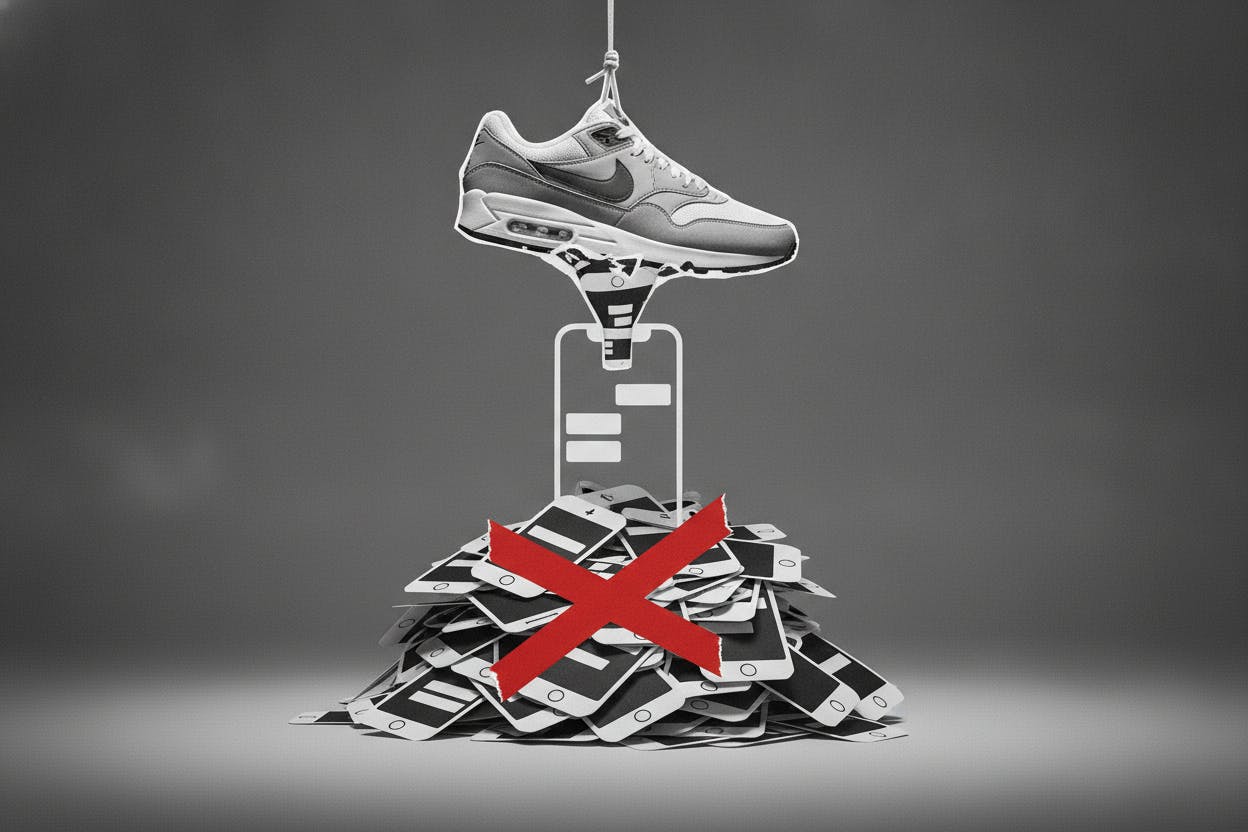
Nike is making a significant shift in how it sells sneakers and apparel in China. From January, many of its store partners will no longer be allowed to sell Nike products online. Instead, the sportswear giant is directing customers to its official channels on major Chinese e-commerce platforms and its own app.
The move is a clear attempt to regain control over its brand and customer experience in a market where sales have been under pressure. By cutting out third-party resellers, Nike hopes to present a more consistent brand image and potentially improve margins.
What's Changing in Nike's China Strategy?
Currently, Nike products are sold through a network of authorized retailers, both in physical stores and online. Starting in January, those retailers will lose the right to sell Nike products on their own online storefronts. Shoppers will instead be directed to Nike's official stores on Tmall (Alibaba's marketplace), JD.com, Douyin (ByteDance's short-video platform), and Nike's own website and app.
This is a classic brand strategy: controlling the sales channel to protect pricing, reduce discounting, and build a direct relationship with customers. For Nike, it also means it can collect more data on who is buying its products and how they shop.
Why Now? The China Sales Slump
Nike's decision comes as its business in China has been struggling. The region, once a major growth driver, has seen sales decline in recent quarters. Competition from local brands like Anta and Li-Ning has intensified, and consumer sentiment has been affected by broader economic headwinds. China's economy has faced challenges including a property slump and weak consumer confidence, as noted in recent reports on China's regulator rallying investors after a market rout.
By streamlining its online sales, Nike is trying to create a more premium shopping experience that can justify higher prices and rebuild brand loyalty. The move also mirrors what other global brands have done in China, where controlling distribution is seen as key to navigating a complex and competitive market.
What It Means for Investors
For investors, this is a strategic pivot worth watching. Here's what to consider:
- Margin potential: Direct sales typically have higher margins than wholesale. If Nike can successfully shift volume to its own channels, it could boost profitability in China over time.
- Sales risk: Cutting off third-party sellers could lead to a short-term drop in sales volume, especially if those retailers had loyal customer bases. The transition period may be bumpy.
- Brand control: A cleaner channel structure reduces the risk of counterfeit products and unauthorized discounting, which can damage brand equity.
- Broader context: Nike's China challenges are part of a larger story. The broader Chinese market has seen weakness in consumer spending, as evidenced by Schindler's sales slip due to the building slump and weaker Chinese demand weighing on sugar prices.
Investors should watch Nike's next earnings report for signs of how this strategy is affecting sales and margins in China. If the shift works, it could be a template for other markets. If it backfires, it may signal deeper problems in the region.
The Bottom Line
Nike is taking a calculated risk in China. By tightening its grip on online sales, it's betting that a more controlled, direct-to-consumer approach will revive its fortunes in a market that has become increasingly difficult. For everyday investors, this is a reminder that even the biggest brands must adapt to changing consumer habits and competitive pressures. The next few quarters will reveal whether this move is a winning play or a costly misstep.