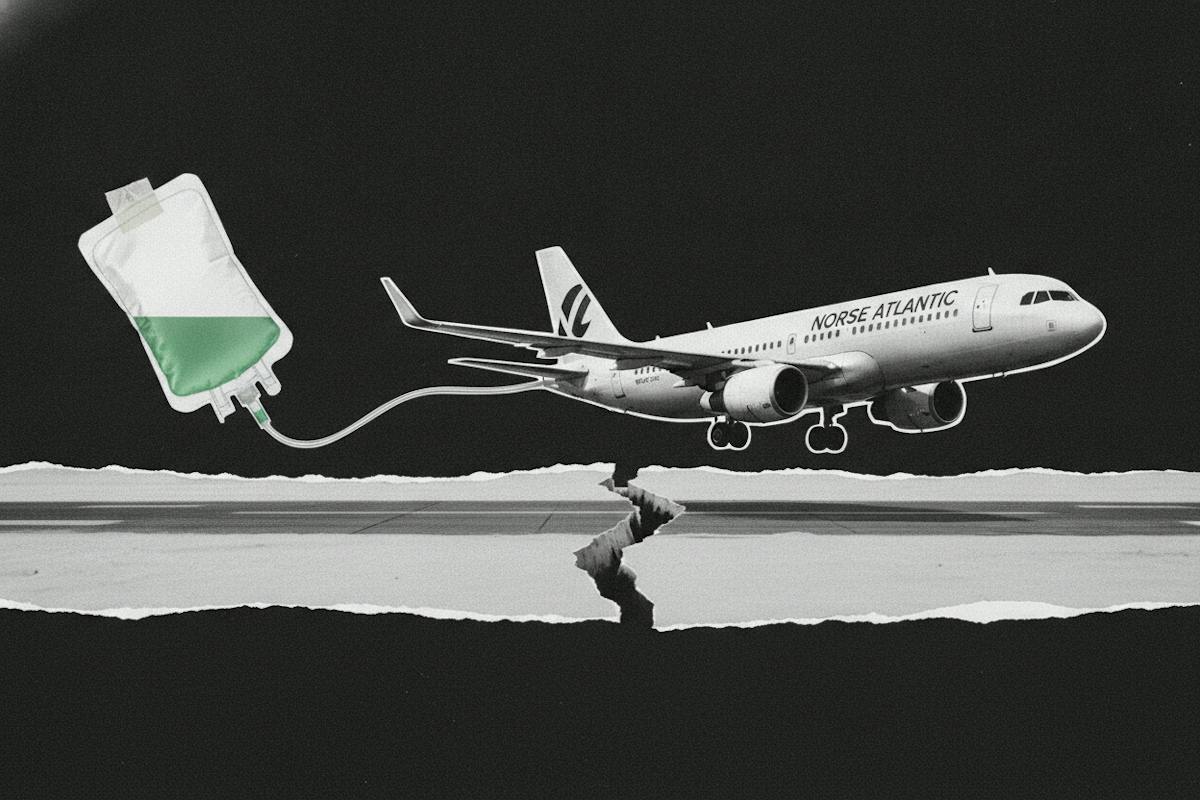
Norse Atlantic Airways, the low-cost long-haul carrier, has told investors that its financial situation is now “critical” and that it needs short-term financing to continue flying. The stark warning sent the company’s shares tumbling more than 70% to an all-time low, underscoring the depth of the airline’s cash crunch.
The Oslo-based airline said it is in talks to raise fresh capital to cover near-term bills, but cautioned that there are “no assurances” it will secure a workable deal. Without new funding, the carrier’s ability to keep operating remains in doubt.
Why is Norse Atlantic struggling?
Norse Atlantic operates a budget model focused on long-haul routes, typically connecting Europe with North America and Asia. The airline’s strategy has been to undercut traditional carriers on transatlantic fares, but that approach leaves little room for error when costs rise.
According to Reuters, the carrier has been squeezed by higher fuel costs. Unlike many larger rivals, Norse Atlantic does not hedge jet fuel, meaning it pays the full market price when oil and refined fuel prices climb. That leaves the airline directly exposed to spikes in energy costs, which can quickly erode already thin margins.
The company has been exploring options to conserve cash, but the warning suggests those efforts have not yet produced a lifeline. For an airline, liquidity is everything: carriers need cash on hand to pay for fuel, crew, airport fees, and leasing costs long before passengers’ fares are collected.
What does this mean for investors?
For everyday investors, the key takeaway is the risk profile of airlines that operate with high fixed costs and little financial cushion. Norse Atlantic’s situation is a reminder that even a popular travel brand can face existential threats when costs spike and cash runs low.
The 70% share price drop reflects the market’s assessment that the company may not survive without a quick injection of capital. When a company warns that its finances are “critical” and that there is no guarantee of a deal, investors typically price in a high probability of bankruptcy or severe dilution.
If Norse Atlantic does secure financing, it may come at a steep price. New investors or lenders often demand favorable terms, which can dilute existing shareholders or burden the company with expensive debt. That means even in a best-case scenario, current shareholders could see their stakes significantly reduced.
For those watching the broader airline sector, Norse Atlantic’s troubles highlight the importance of fuel hedging and balance sheet strength. Airlines that hedge fuel costs can smooth out price swings, while those that don’t are more vulnerable to volatile energy markets. Similarly, carriers with strong cash reserves are better positioned to weather downturns.
What to watch next
The immediate focus will be on whether Norse Atlantic can finalize a financing deal. The company has not provided a timeline, but the urgency of the warning suggests that an announcement could come soon. Investors should also watch for any signs of regulatory intervention or government support, though such aid is not guaranteed.
Beyond Norse Atlantic, the episode is a cautionary tale for anyone considering airline stocks. The industry is notoriously cyclical and capital-intensive, and even well-known carriers have faced liquidity crises in the past. For those with airline exposure, monitoring fuel prices, hedging policies, and cash positions is essential.
As the situation develops, Daily Digest Invest will keep you updated on any new funding announcements or operational changes. For now, the message from Norse Atlantic is clear: without cash, the airline cannot keep flying.