Two nuclear-power deals sent utility stocks sharply higher this week, as investors rewarded companies that locked in long-term customers and cheaper financing for capital-intensive projects.
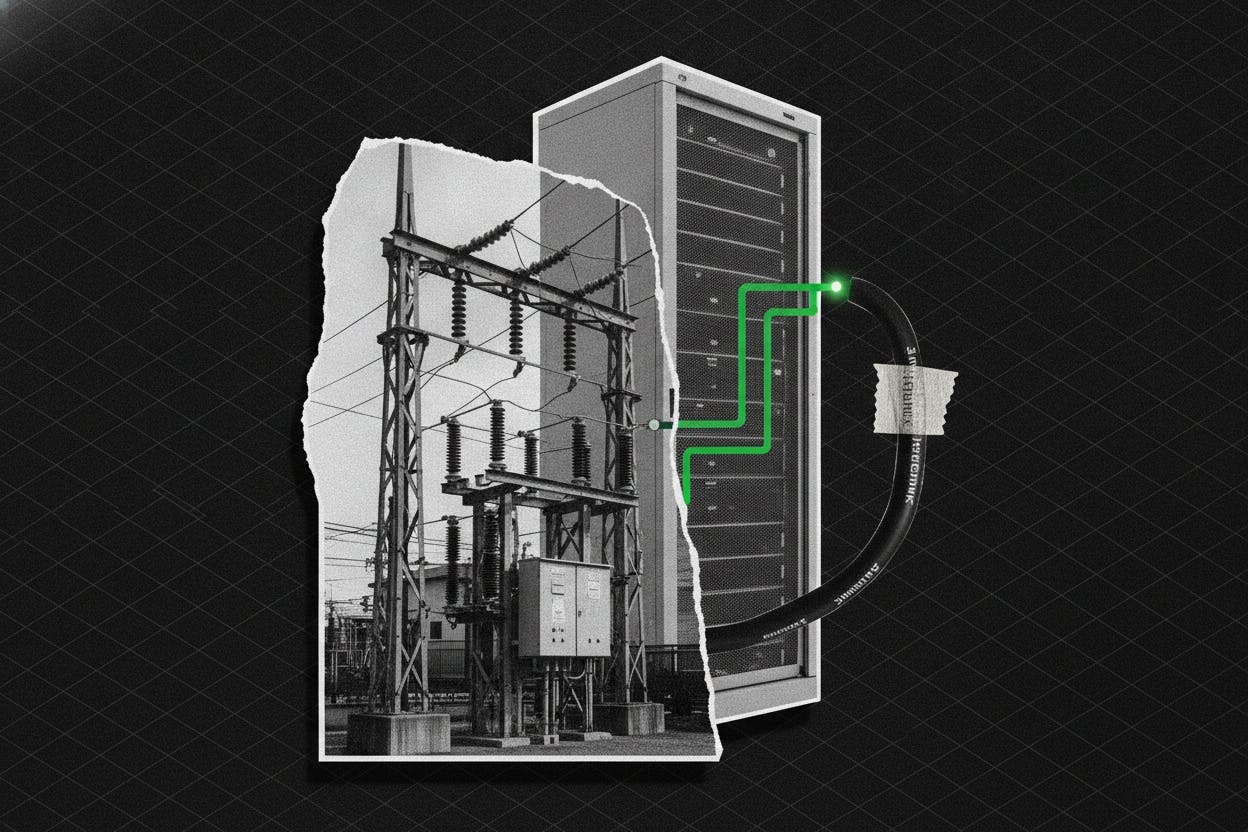
Constellation Energy, the largest US nuclear power producer, said it signed a 20-year agreement with Google to supply 890 megawatts of nuclear generation on the PJM Interconnection grid, one of the country's biggest power markets. The deal gives Google a steady, carbon-free power source for its data centers, while Constellation gains a guaranteed buyer for decades. Shares jumped about 15% intraday on trading volume far above normal.
Separately, Vistra, another major US power producer, received a conditional loan commitment of up to $4.2 billion from the US Department of Energy to modernize nuclear plants in Pennsylvania and Ohio. Vistra's stock rose about 11% on the news.
Why these deals matter
Nuclear power is among the most capital-intensive forms of energy. Building or upgrading a reactor can cost billions and take years, and the financial payoff only comes after decades of operation. That long timeline makes investors nervous about two things: whether there will be buyers for the power, and whether the company can fund the upfront costs without taking on too much debt.
Constellation's contract with Google addresses the first concern. A 20-year "offtake" agreement—where a customer commits to buying power at agreed terms—gives the utility a predictable revenue stream. That makes future cash flows easier to model, reducing the uncertainty that often weighs on nuclear projects.
Vistra's DOE loan tackles the second. Government-backed financing typically carries lower interest rates than commercial debt, and the conditional commitment signals federal support for nuclear expansion. That can lower borrowing costs and reduce refinancing risk, especially for projects with long construction timelines.
When both pieces fall into place, analysts often apply a smaller "risk discount" to a project's future cash flows. Because those cash flows stretch far into the future, even a small change in the discount rate can produce a large swing in today's valuation. That helps explain the one-day repricing in both stocks.
What it means for investors
For everyday investors, the takeaway is that nuclear power is becoming a more investable theme as tech giants and the federal government step in to support it. Data center demand for electricity is surging, and nuclear offers a reliable, emissions-free source that can run around the clock—unlike wind or solar, which depend on weather.
But nuclear stocks remain sensitive to financing details and regulatory approvals. The DOE loan to Vistra is conditional, meaning it still requires final agreements and compliance with federal requirements. Similarly, Constellation's deal with Google, while signed, may face regulatory review.
Investors should also note that these moves come amid broader interest in power infrastructure. Alphabet's nuclear deal with Constellation is part of a wave of corporate clean-energy purchases, and the 890 MW addition to the PJM grid underscores the scale of demand. Meanwhile, other stocks have moved on deal and financing news, showing how quickly sentiment can shift.
For those watching the sector, the key metrics are contract duration, financing terms, and regulatory progress. Companies that secure long-term buyers and low-cost capital are better positioned to weather the high upfront costs of nuclear projects. But as with any capital-intensive industry, the risk of cost overruns or delays remains real.
In the near term, investors will likely watch for further announcements from Constellation and Vistra, as well as any updates on the DOE loan's final approval. The broader trend—tech companies seeking clean power and governments backing nuclear—could continue to lift the sector, but individual stock moves will depend on how each company executes.