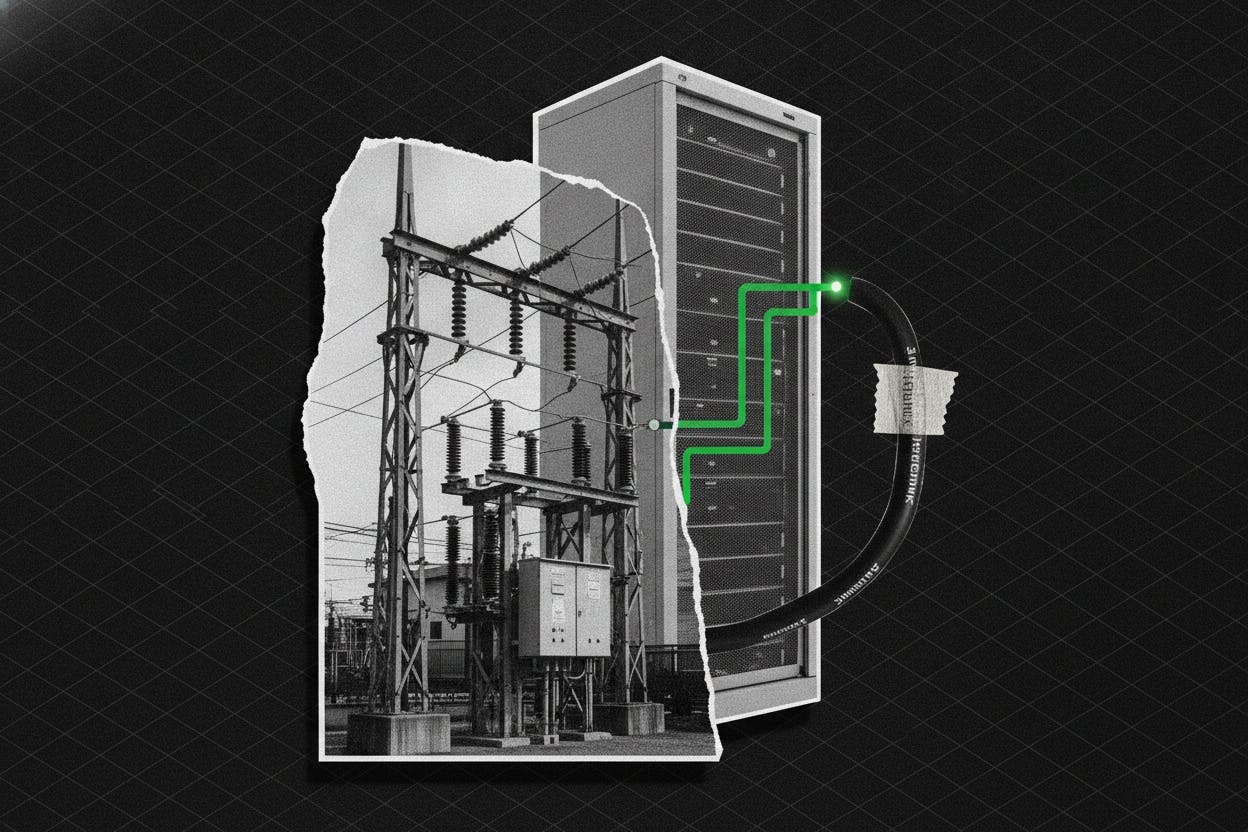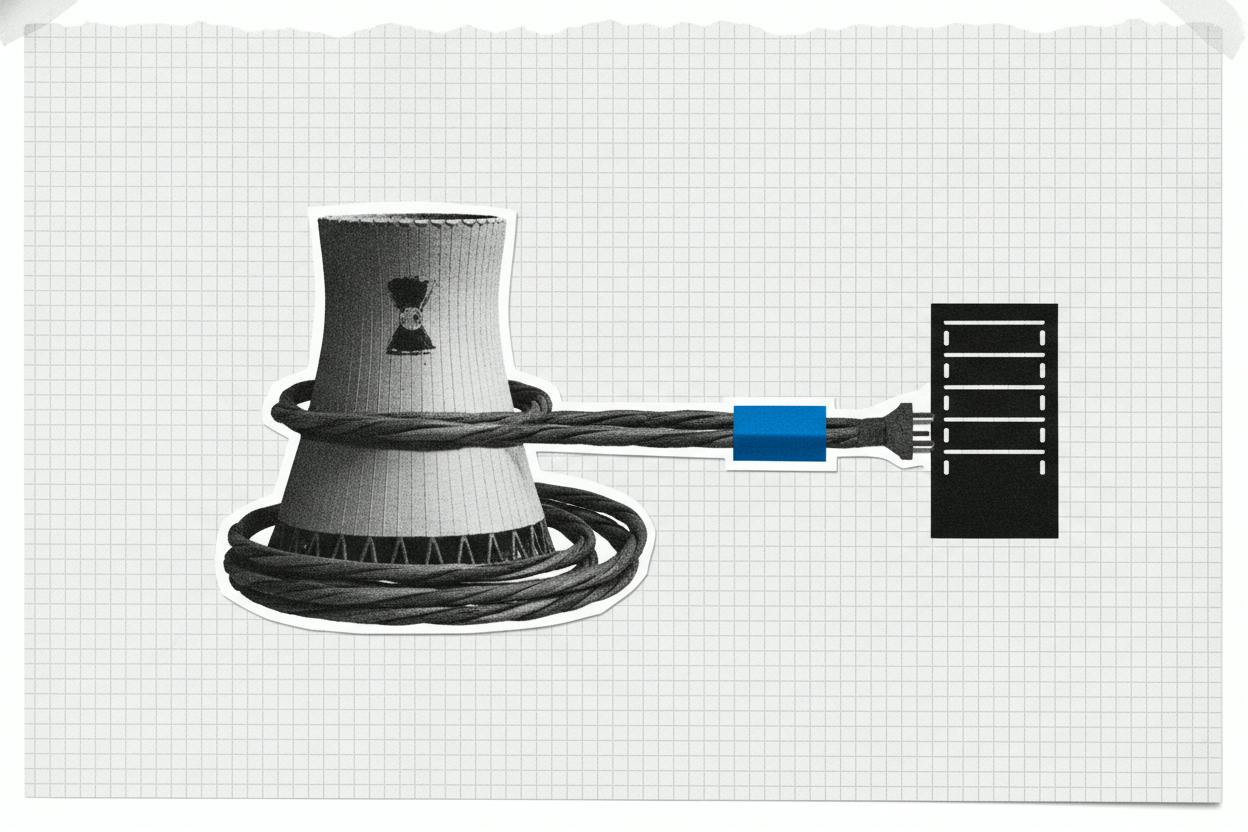
Google has signed a landmark 20-year nuclear power agreement with Constellation Energy, a move that underscores Big Tech's growing appetite for reliable, low-carbon electricity to power its data centers. The deal adds 890 megawatts of nuclear capacity to the PJM Interconnection grid—the largest wholesale electricity market in the U.S.—and will fund more than $4.3 billion in equipment and technology upgrades across 11 Constellation nuclear plants in Illinois, Pennsylvania, and New Jersey.
Investors reacted enthusiastically, sending Constellation's shares up 13.7% on Tuesday. The rally reflects optimism that nuclear power is becoming a strategic asset for tech giants racing to secure around-the-clock energy for their expanding cloud and artificial intelligence operations.
Why Big Tech Is Turning to Nuclear
Data centers are notorious energy hogs. As companies like Google, Microsoft, and Amazon expand their AI and cloud services, their electricity demand is soaring. Unlike solar or wind, which depend on weather conditions, nuclear plants can generate power continuously, making them an attractive option for facilities that need to run 24/7.
This deal is part of a broader trend. Earlier this year, reports emerged that Google was near a $1 billion nuclear power deal with Constellation, and now that agreement has materialized. Other tech firms are also exploring nuclear options, from small modular reactors to long-term power purchase agreements with existing plants.
For Constellation, the deal provides a stable revenue stream and a way to finance much-needed upgrades to its aging nuclear fleet. The $4.3 billion investment will go toward modernizing equipment and improving efficiency across the 11 sites, which together supply a significant portion of the region's carbon-free electricity.
What This Means for the PJM Grid
The PJM Interconnection coordinates the movement of wholesale electricity in all or parts of 13 states and the District of Columbia. Adding 890 megawatts—enough to power roughly 800,000 homes—helps bolster grid reliability, especially as older coal and gas plants retire.
Nuclear power is also a key part of the region's clean energy strategy. PJM states have set ambitious decarbonization targets, and nuclear plants provide a large share of their carbon-free generation. By keeping these plants running and upgrading them, the deal supports those goals while also meeting the rising demand from data centers.
However, the arrangement also raises questions about cost and competition. Some consumer advocates worry that long-term contracts with large tech companies could shift costs onto other ratepayers. But supporters argue that the deal ensures the plants remain economically viable, which benefits the entire grid.
What It Means for Investors
For Constellation shareholders, the deal is a clear positive. It locks in a major customer for two decades, providing predictable cash flows that can support dividends and future investments. The 13.7% jump in the stock reflects that optimism.
For the broader market, this deal highlights the growing intersection of technology and energy. As AI drives electricity demand, companies that own or operate nuclear assets could see increased interest from investors. This is part of a wider pattern where hedge funds are adjusting their positions in response to shifting energy and rate dynamics.
Investors should also watch how this affects other utilities and independent power producers. If more tech companies follow Google's lead, we could see a wave of similar agreements, potentially boosting valuations across the nuclear sector. At the same time, the hefty capital expenditure involved means that execution will be key—Constellation must deliver on its upgrade plans to realize the full benefits.
For everyday investors, the takeaway is that nuclear power is no longer just a niche play; it's becoming a cornerstone of the digital economy's energy strategy. While no one should buy a stock based solely on one deal, this development underscores the long-term value of reliable, low-carbon power sources.
As the energy landscape evolves, expect more headlines like this. The race to power AI is just beginning, and nuclear energy is emerging as a critical player.