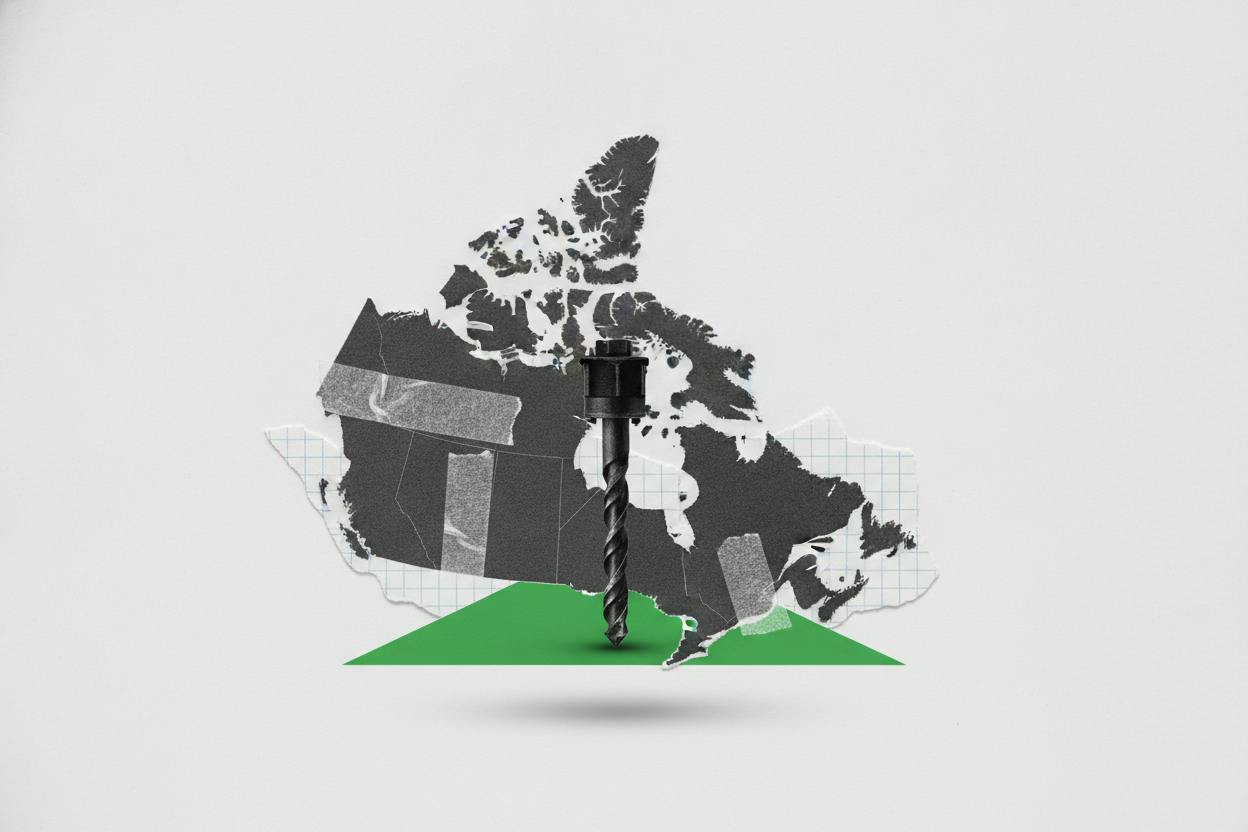
RBC Capital Markets has weighed in on Cenovus Energy's planned $5.7 billion acquisition of Athabasca Oil, calling the deal strategic even though it may not move the needle on near-term cash flow. In a note to clients, RBC highlighted that Athabasca is one of the last pure-play publicly listed oil sands producers, making its assets increasingly rare in a sector where the easiest growth opportunities have already been snapped up.
What's the deal?
Cenovus, one of Canada's largest oil and gas companies, agreed to buy Athabasca Oil in an all-stock transaction valued at roughly $5.7 billion. The deal would give Cenovus control of Athabasca's oil sands assets, including the Corner lease, an undeveloped project that could be tapped in the future. For Cenovus, the acquisition is less about boosting next year's earnings and more about securing long-term options.
RBC noted that the deal is roughly neutral to Cenovus's 2027 per-share cash flow outlook. That means investors shouldn't expect a big jump in near-term returns. Instead, the value lies in the flexibility it provides: Athabasca's inventory of undeveloped projects can be developed later, when prices, costs, or regulations are more favorable.
Why oil sands assets are scarce
The oil sands in Alberta are among the largest oil reserves in the world, but they are also expensive and complex to develop. Over the past decade, many companies have sold off or consolidated their oil sands holdings, leaving fewer independent, publicly traded players. Athabasca was one of the last of those, which is why RBC called it a scarce asset.
For Cenovus, buying Athabasca adds to its existing oil sands portfolio, which already includes major projects like Christina Lake and Foster Creek. The deal also fits a broader trend in the Canadian energy sector, where companies are consolidating to gain scale and efficiency. Recent deals in the oil patch have put the spotlight on how producers are positioning for the future.
What it means for investors
For everyday investors, the key takeaway is that this deal is about the long game, not immediate profits. RBC's "neutral" assessment of 2027 cash flow suggests that Cenovus isn't overpaying, but it also isn't getting a quick boost. The real payoff could come years down the road if oil prices rise or if Cenovus can develop the acquired assets more efficiently than Athabasca could have on its own.
Investors should also consider the broader context. Oil prices have been volatile, and the energy sector is facing pressure from environmental regulations and the global shift toward cleaner energy. Oil prices slipped in premarket trading as the deal was announced, reflecting market caution. However, Cenovus's move suggests it sees value in holding long-life assets that can be developed when conditions improve.
RBC's view is that the deal is "strategic" — a word that often signals a company is thinking beyond the next quarter. For Cenovus shareholders, that could mean patience is required. The company is betting that having more options in the oil sands will pay off over time, even if it doesn't show up in next year's cash flow.
What to watch next
Investors will likely watch for regulatory approvals and any potential pushback from shareholders. The deal is expected to close later this year, subject to customary conditions. Also on the radar: how Cenovus plans to fund the development of the Corner lease and other projects, and whether other oil sands producers might follow suit with similar acquisitions.
For those interested in the broader energy market, Cenovus's expansion is part of a larger story of consolidation in Canadian energy. As companies merge and acquire, the landscape is shifting, and investors should keep an eye on how these moves affect supply, costs, and ultimately, stock prices.
In the meantime, RBC's endorsement adds weight to the idea that this deal is a sensible, if not immediately flashy, move. For Cenovus, it's about building a stronger foundation for the future — a strategy that may not excite traders but could reward patient investors.