Oil prices eased in premarket trading on Tuesday, with US benchmark West Texas Intermediate (WTI) crude falling to $89.36 a barrel. The dip weighed on energy stocks, but behind the day-to-day price moves, several major players were making bold, long-term bets on the sector's future.
Canada's Cenovus Energy, one of the country's largest oil producers, agreed to acquire Athabasca Oil in a deal valued at roughly C$5.7 billion (about $4 billion US). Meanwhile, US oilfield services giant Baker Hughes signed agreements tied to Venezuela's plans to boost its oil output.
The contrast between the soft commodity tape and the flurry of corporate activity highlights a key dynamic in the energy market: while traders focus on today's supply and demand, companies are positioning for the years ahead.
What's behind the oil price dip?
The premarket decline in WTI crude to $89.36 a barrel reflects a mix of global factors. Investors are weighing concerns about demand, particularly from major economies, against ongoing supply dynamics. The dip comes after a period of relatively high prices, and any sign of weakening demand or increased supply can trigger quick moves in the commodity.
For everyday investors, oil prices matter because they directly influence the earnings of energy companies and, by extension, their stock prices. When crude falls, energy shares often follow, as we saw in premarket trading. But the relationship isn't always straightforward—companies with strong balance sheets and strategic deals can outperform even in a softer price environment.
Cenovus's big bet on oil sands
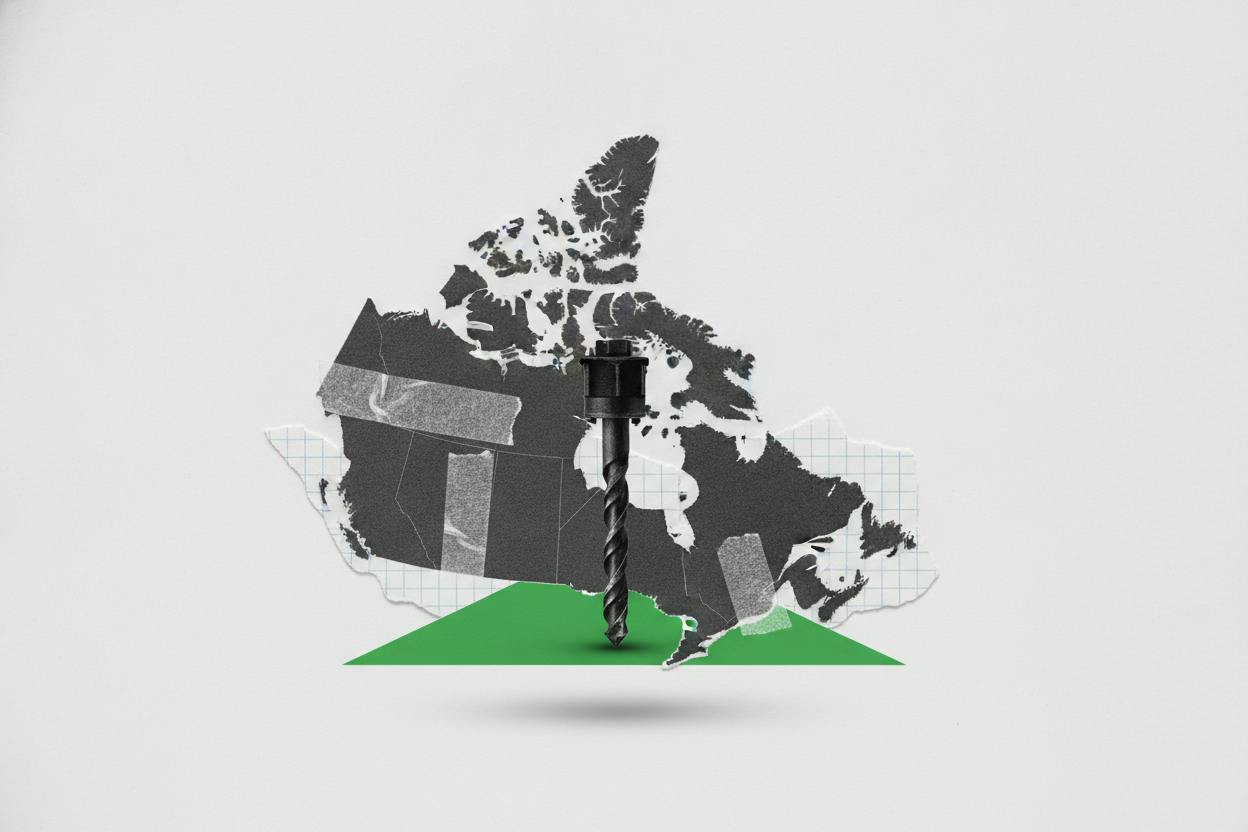
Cenovus's acquisition of Athabasca Oil is a significant move. The deal, with an implied enterprise value of about C$5.7 billion, is a bet on the scale of Canada's oil sands. By acquiring Athabasca's assets, Cenovus aims to expand its production base and achieve synergies—cost savings that come from combining operations.
Oil sands projects are capital-intensive and have higher production costs than conventional wells, but they offer long-term, stable output. For Cenovus, this deal is about gaining critical mass in a region where bigger players can operate more efficiently. The company has been active in consolidating the Canadian oil patch, and this acquisition follows a pattern of deals that have put the Canadian oil patch in focus.
For investors, M&A activity in the energy sector can be a double-edged sword. On one hand, deals can create value through synergies and increased scale. On the other, they often involve taking on debt and integrating complex operations, which can be risky. The success of this deal will depend on Cenovus's ability to execute and on the future path of oil prices.
Baker Hughes and Venezuela
Baker Hughes, a major oilfield services company, signed agreements related to Venezuela's plans to increase its oil production. Venezuela holds some of the world's largest oil reserves, but its industry has been hampered by years of underinvestment, sanctions, and political turmoil. Any move to revive output would require significant foreign expertise and equipment—areas where Baker Hughes operates.
These agreements are a signal that some companies see opportunity in Venezuela, despite the risks. For Baker Hughes, it's a chance to tap into a potentially large market if the country's production recovers. However, the path to meaningful output increases is uncertain, and investors should view such developments with caution.
The broader context is that global oil markets are in a delicate balance. The G7's recent decision to release 100 million barrels of oil and diesel from reserves is one example of how governments are trying to manage prices. Such releases can put downward pressure on crude, but they also highlight the tightness of the market.
What it means for investors
For the average investor, the key takeaway is that energy markets are influenced by both short-term price movements and long-term strategic decisions. While a dip in oil prices can hurt energy stocks in the near term, deals like Cenovus's acquisition of Athabasca are bets on the sector's future profitability.
Investors should watch how these deals unfold, as they can signal where the industry is heading. Consolidation in the oil sands, for example, suggests that companies believe scale is essential to remain competitive. Similarly, Baker Hughes's moves in Venezuela indicate that some firms are willing to take on geopolitical risk for potential rewards.
It's also worth remembering that oil prices are notoriously volatile. A drop to $89 a barrel today could reverse tomorrow based on geopolitical events, inventory data, or changes in demand. For those with exposure to energy stocks, diversification and a long-term perspective are important.
As always, this is not a recommendation to buy or sell any security. But understanding the forces at play—both the daily price action and the strategic moves—can help you make more informed decisions about your portfolio.