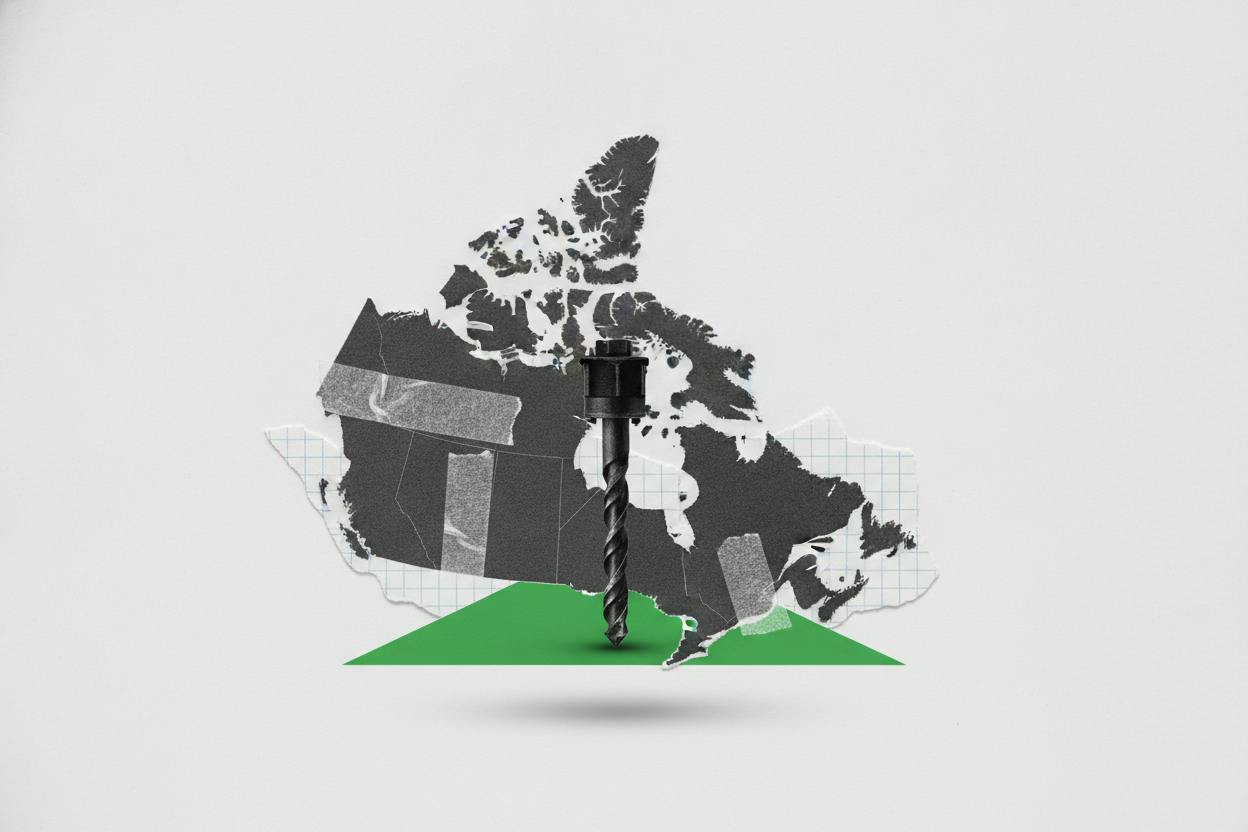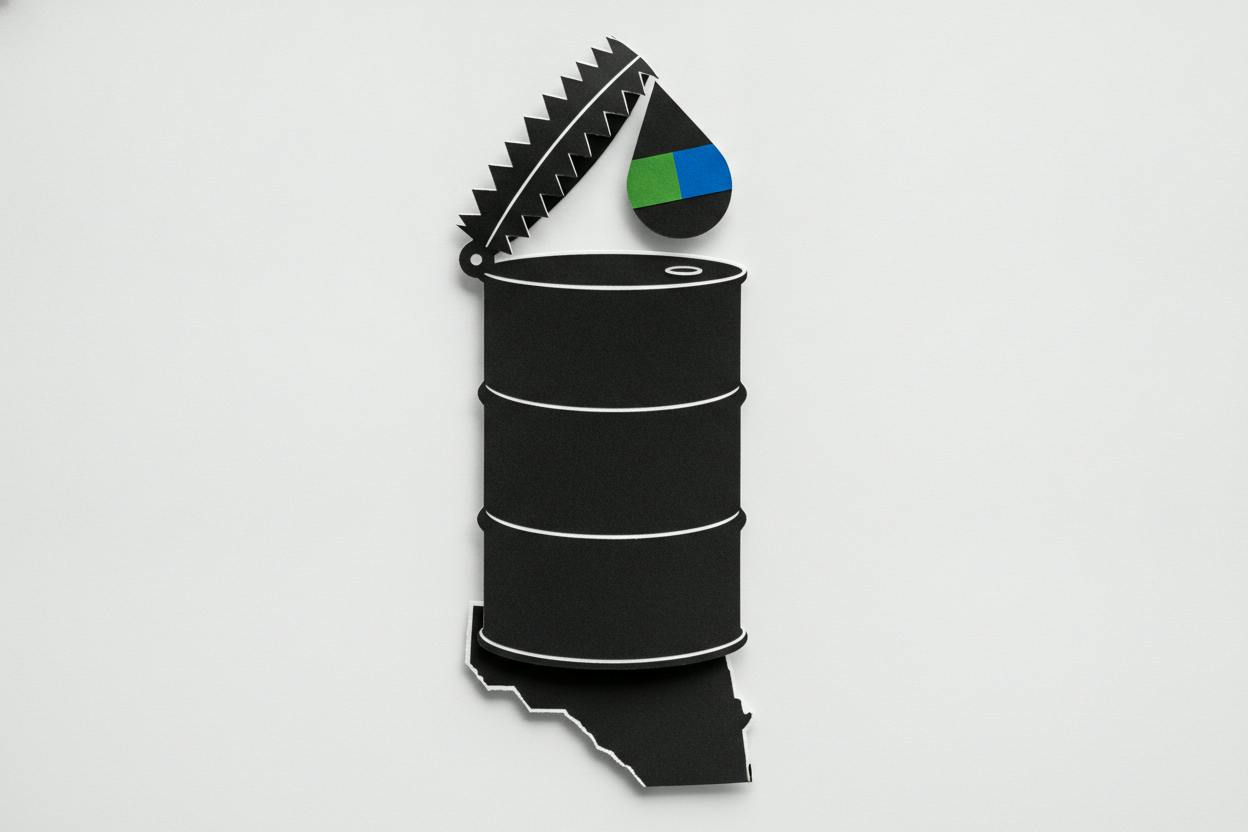
Cenovus Energy, one of Canada's largest oil producers, has agreed to acquire Athabasca Oil in a deal valued at C$5.7 billion. The cash-and-stock transaction will add roughly 45,000 barrels of oil production per day to Cenovus's portfolio and deepen its footprint in Alberta's oil sands region. The companies expect the deal to close in December.
What the deal involves
The acquisition is structured as a combination of cash and Cenovus shares, a common approach in large energy mergers that allows both parties to share in future upside. Athabasca Oil's assets are primarily in the oil sands of northern Alberta, a region that holds some of the world's largest reserves of crude oil.
For Cenovus, this purchase is a strategic move to consolidate its position in a basin where it already operates. Adding 45,000 barrels per day is a meaningful boost—roughly a 10% increase to its current production levels, though the exact percentage depends on prevailing output figures. The deal also brings additional land and infrastructure that could support future growth.
Oil sands production is capital-intensive and requires long-term planning, so acquisitions like this are often about securing scale and efficiency rather than quick wins. By folding Athabasca's operations into its own, Cenovus can potentially reduce costs through shared facilities and streamlined management.
Why this matters for the oil patch
The Canadian energy sector has seen a wave of consolidation in recent years, as companies seek to become more efficient and attractive to investors. Recent deals involving Suncor and Cenovus have put the Canadian oil patch in focus, highlighting a trend toward larger, more integrated players.
Oil prices have been volatile, influenced by global supply concerns, OPEC+ decisions, and economic slowdown fears. In this environment, scale can be a competitive advantage. Larger producers often have better access to capital, lower per-barrel costs, and more negotiating power with suppliers and transporters.
For Athabasca Oil shareholders, the deal offers a premium to the market price and a chance to participate in the combined company's future. For Cenovus, it's a bet that oil sands assets will remain valuable for decades, even as the world transitions toward cleaner energy.
What it means for investors
For everyday investors, this deal is a reminder that the energy sector is still a major part of the global economy, and that companies are positioning for the long term. If you own shares in Cenovus, you might see some short-term volatility as the market digests the news, but the deal is likely to be accretive to earnings over time if oil prices hold up.
If you don't own energy stocks, this acquisition is a signal that some of the biggest players in the sector see value in oil sands assets. That could be relevant if you're considering exposure to commodities or Canadian equities.
It's also worth noting that the deal is subject to regulatory approvals and shareholder votes. Such transactions can sometimes face hurdles, though in this case, both companies appear aligned on the terms. The expected December close suggests a smooth path, but investors should watch for any updates.
Broader market context
The announcement comes at a time when US stocks are edging lower as investors await Fed minutes for clues on interest rates. Energy stocks often move with oil prices, and the broader market's reaction to rate expectations can influence investor sentiment toward the sector.
Higher interest rates tend to weigh on growth stocks but can be less damaging for energy companies, which often generate strong cash flows. However, if rates stay high, it could increase the cost of financing for the deal, though Cenovus's balance sheet appears sturdy enough to handle it.
Oil prices have been relatively steady, with Gulf stocks edging higher as US rate hike odds cool and oil stays steady. This stability provides a supportive backdrop for the deal, as both companies can plan with more certainty.
Looking ahead
Investors will be watching for details on how Cenovus plans to integrate Athabasca's operations and whether it will pursue further divestitures or cost-cutting measures. The company has said it expects the deal to be immediately accretive to cash flow, which is a positive sign for shareholders.
For the Canadian oil industry, this acquisition is another step toward consolidation. As smaller players get absorbed by larger ones, the sector becomes more concentrated, which could have implications for competition and pricing. But for now, the focus is on the deal's completion and the value it creates for both sets of shareholders.
If you're an investor, keep an eye on the closing date and any regulatory news. Deals of this size can sometimes face delays, but the companies seem confident. As always, it's wise to consider how this fits into your overall portfolio and risk tolerance.