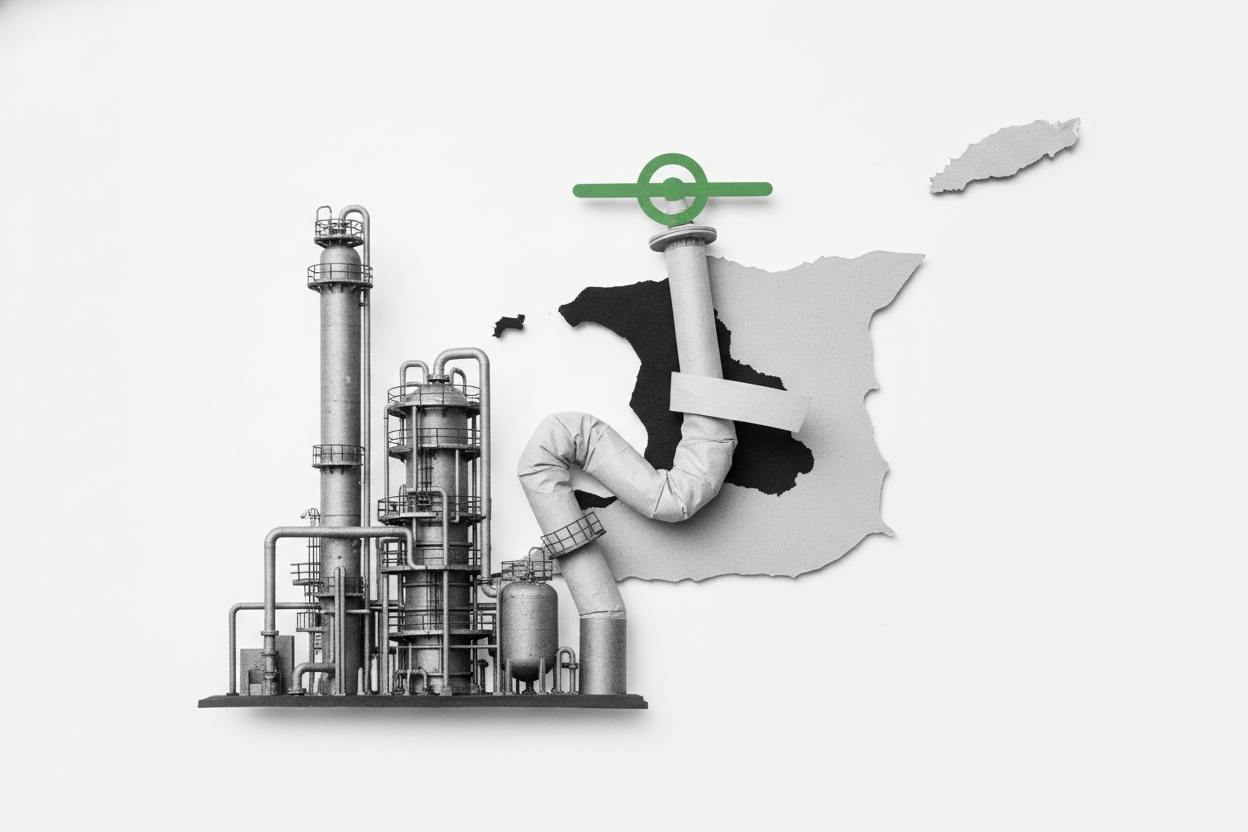
Nutrien, one of the world's largest crop-nutrient producers, has announced it will indefinitely shut down its Trinidad Nitrogen plant at Point Lisas. The decision comes after a strategic review of the facility, with the company pointing to persistent natural gas supply constraints and broader uncertainty in Trinidad and Tobago as key factors.
The plant, which produces nitrogen-based fertilizers such as urea and ammonium nitrate, has been a part of Nutrien's global network. However, the company said the challenges around securing reliable and cost-competitive natural gas—the primary feedstock for nitrogen production—made continued operation untenable.
Why natural gas matters for nitrogen fertilizers
Nitrogen fertilizers are made by combining natural gas with nitrogen from the air through a process that requires significant energy. When natural gas prices are high or supply is unreliable, the cost of producing these fertilizers can spike, squeezing margins for producers. For Nutrien, the Trinidad plant faced a double whammy: tight gas supply and uncertainty about future gas availability in the country.
Trinidad and Tobago has long been a major exporter of natural gas and petrochemicals, but in recent years the country has struggled with declining gas reserves and production. This has led to periodic shortages for industrial users, forcing some plants to operate below capacity or shut down temporarily. Nutrien's decision to make the shutdown indefinite suggests the company sees no near-term fix to these structural issues.
This is not the first time a major industrial player has pulled back from Trinidad. Other petrochemical and steel plants have also faced gas supply challenges, highlighting a broader trend in the region. For Nutrien, the move is part of a larger effort to optimize its asset portfolio and focus on operations where it has a competitive advantage.
What this means for investors
For everyday investors, this news is a reminder that commodity producers are heavily exposed to input costs and regional risks. When a company like Nutrien decides to shutter a plant, it can affect supply dynamics in the fertilizer market, potentially supporting prices for nitrogen products. However, the immediate impact on Nutrien's bottom line is likely to be modest, as the Trinidad plant was a relatively small part of its overall production capacity.
Investors should also consider the broader context. Nutrien is a major player in potash, nitrogen, and phosphate fertilizers, and its decisions often reflect global supply and demand trends. The shutdown could be seen as a defensive move to protect margins in a challenging environment, but it also signals that the company is not willing to pour money into a facility with uncertain prospects.
For those holding Nutrien stock, the key question is whether this shutdown will lead to cost savings or if it signals deeper issues. The company has not provided specific financial details, but analysts will likely watch for any impact on future earnings. In the meantime, the move underscores the importance of natural gas prices and geopolitical stability for fertilizer producers.
Broader market and industry context
The fertilizer industry has been through a volatile period, with prices soaring in 2022 after Russia's invasion of Ukraine disrupted global supplies, then falling back as energy costs eased and demand softened. Nutrien, like its peers, has had to navigate these swings while also dealing with rising input costs and supply chain disruptions.
Natural gas prices have been a particular focus, as they directly affect nitrogen production costs. In recent months, gas prices have been relatively low in some regions, but supply constraints in places like Trinidad highlight that local dynamics can override global trends. This is why companies often conduct strategic reviews of their facilities, weighing long-term viability against short-term market conditions.
Nutrien's decision also fits a pattern seen across the energy and chemicals sectors, where companies are increasingly selective about where they invest. For example, other firms have recently announced plant closures or capacity reductions in response to similar pressures, such as Westlake's decision to close a German PVC plant and Stellantis idling three French plants due to battery shortages. These moves reflect a broader trend of companies rationalizing their operations to focus on more profitable or secure assets.
For investors, the takeaway is that commodity producers are not just exposed to the prices of what they sell, but also to the costs and reliability of what they buy. Natural gas is a prime example, and any company that relies heavily on it must be prepared for volatility. Nutrien's move in Trinidad is a clear signal that it is prioritizing financial discipline over maintaining a presence in every market.
What to watch next
Investors will be watching for any further details from Nutrien about the financial impact of the shutdown, such as potential charges or write-downs. The company may also provide updates on how it plans to meet customer demand from other facilities. Additionally, the situation in Trinidad and Tobago could evolve if the government takes steps to address gas supply issues, though that seems unlikely in the near term.
For those interested in the broader energy and fertilizer markets, the recent movements in natural gas prices and the cooler inflation data that has influenced rate expectations are worth keeping an eye on. These factors can indirectly affect fertilizer producers by shaping input costs and global demand.
Ultimately, Nutrien's decision is a sobering reminder that even the biggest players in essential industries must make tough choices when the economics don't add up. For investors, it's a case study in how companies manage risk and allocate capital in a world of uncertain energy supplies.