Oil prices fell on Tuesday even after a reported attack on a tanker in the Strait of Hormuz, a key shipping lane for global crude. West Texas Intermediate (WTI) crude dropped 1.5% to $88.06 a barrel, while Brent crude, the international benchmark, fell 2.2% to $98.07. The declines came as Middle East crude exports climbed, easing fears of an immediate supply disruption.
What happened
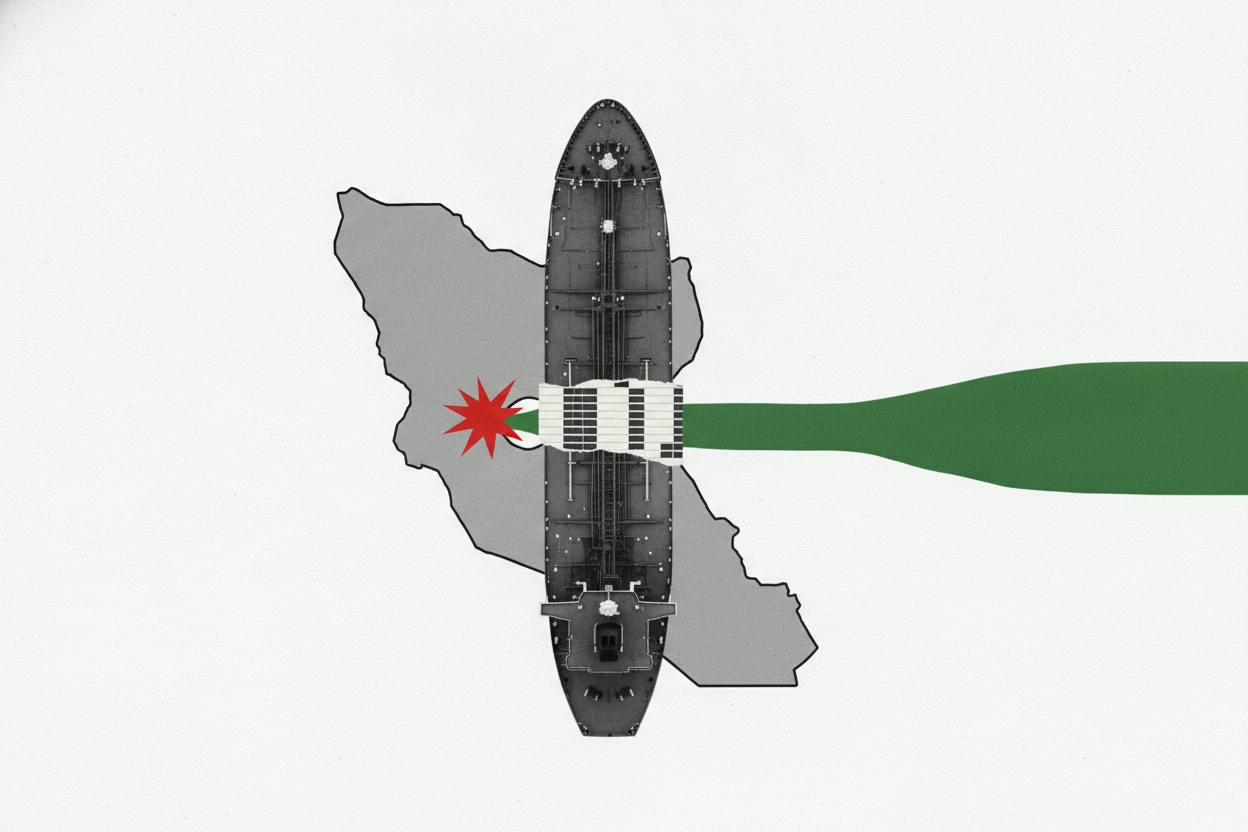
The UK Maritime Trade Operations (UKMTO), a liaison office run by the UK Navy, said it received a report that a tanker in the Strait of Hormuz was struck by an “unknown projectile.” Such security headlines often push oil prices higher, as traders add a “just in case” premium to account for potential supply disruptions. But this time, the market shrugged off the news.
The reason: rising Middle East exports. Even with the reported attack, crude shipments from the region have been increasing, suggesting that any immediate threat to supply is limited. Traders focused on the actual flow of oil rather than the headline risk, and prices moved lower.
Why the Strait of Hormuz matters
The Strait of Hormuz is a narrow waterway between Iran and Oman, through which roughly a fifth of the world's oil passes. It is a chokepoint that has been a source of geopolitical tension for decades. Any disruption there can have outsized effects on global oil prices because so much supply depends on it.
However, the market's reaction shows that not all security incidents are created equal. When actual supply is unaffected, prices can quickly revert to fundamentals. In this case, the rise in exports from the Middle East provided a counterweight to the geopolitical worry.
Gold rises on cooler rate-hike expectations
While oil slipped, gold rose 0.9%. The precious metal often benefits when investors expect central banks to be less aggressive with interest rate hikes. Cooler expectations for an October rate increase made gold more attractive, as higher rates tend to weigh on non-yielding assets like gold.
This divergence between oil and gold highlights how different factors drive different markets. Oil is sensitive to supply and demand dynamics, while gold is more influenced by monetary policy and inflation expectations.
What it means for investors
For everyday investors, the key takeaway is that geopolitical headlines don't always translate into sustained price moves. While a tanker attack in a critical waterway sounds alarming, the market's reaction depends on whether actual supply is disrupted. In this case, the increase in exports suggested that the risk was manageable.
For those with exposure to energy stocks or oil-related funds, the drop in crude prices could weigh on earnings, as lower oil prices mean lower revenue for producers. Conversely, falling oil prices can be a tailwind for consumers and businesses that rely on energy, potentially easing inflationary pressures.
Gold's rise, meanwhile, reflects a broader shift in investor sentiment. If rate hikes slow, gold could continue to find support. But it's important to remember that gold prices can be volatile, and past performance is not a guarantee of future results.
Looking ahead
Investors will be watching for further developments in the Middle East, as well as upcoming economic data that could influence central bank policy. The dollar's recent moves and treasury yields are also worth monitoring, as they can affect commodity prices and global markets.
For now, the oil market seems to be taking the Hormuz incident in stride, but the situation remains fluid. Any escalation that actually disrupts tanker traffic could quickly change the calculus. As always, diversification and a long-term perspective remain key for investors navigating these uncertain waters.