Nvidia, the dominant maker of AI chips, is putting $3.5 billion into Taiwan's MediaTek through convertible bonds and introducing a new technology called NVLink Fusion that will let other companies' custom AI processors connect to Nvidia's data-center systems. The announcement, made on [date not specified], signals Nvidia's push to become the central hub for AI computing, even when the chips doing the work aren't made by Nvidia itself.
What's happening?
Nvidia said it will buy convertible bonds from MediaTek, a Taiwanese chip designer best known for smartphone processors. Convertible bonds are a type of debt that can be turned into company shares at a later date, so the investment gives Nvidia a potential equity stake in MediaTek while providing the company with cash. The $3.5 billion figure is a significant bet on a longtime partner.
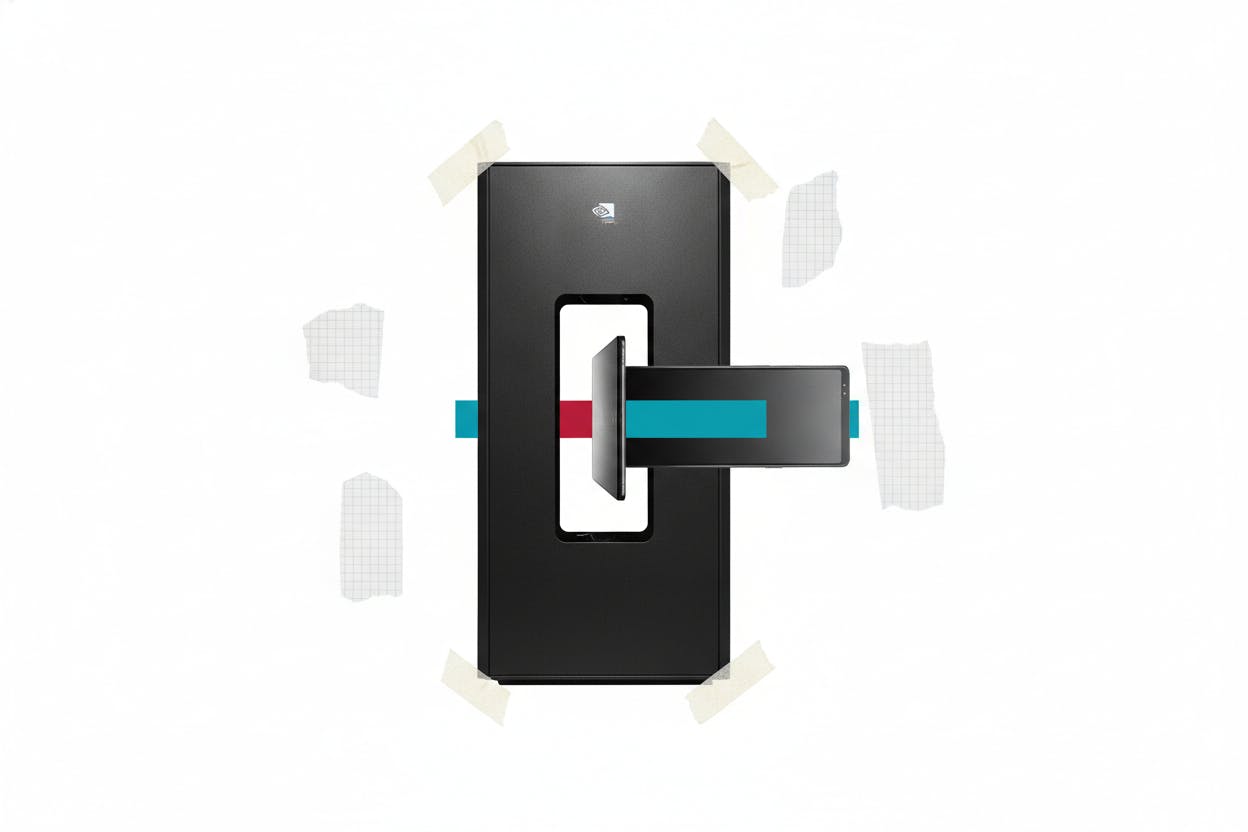
Alongside the investment, Nvidia is rolling out NVLink Fusion. This is a set of connectors and specialized memory technology that allows custom AI chips—designed by other companies—to communicate with Nvidia's servers. Previously, integrating non-Nvidia chips into a data center required months of bespoke engineering. NVLink Fusion aims to make that process plug-and-play, reducing the time and cost for companies that want to mix and match hardware.
Why it matters
Nvidia's dominance in AI chips is well established. Its graphics processing units (GPUs) are the industry standard for training and running large AI models. But as demand for AI grows, some companies—especially the big cloud providers and tech giants—are designing their own custom chips to reduce costs and improve efficiency. These custom chips, often called application-specific integrated circuits (ASICs), are tailored for specific workloads.
NVLink Fusion is Nvidia's answer to that trend. Instead of fighting the move toward custom silicon, Nvidia is trying to make its data-center platforms the place where all those chips can work together. By providing the connective tissue, Nvidia keeps itself at the center of the AI infrastructure stack, even if it doesn't sell every chip in the system.
This is a strategic shift. Historically, Nvidia's value came from selling its own GPUs. Now, it's positioning itself as the operating system of the AI data center, with NVLink Fusion as the standard that other chips plug into. That could make Nvidia even more indispensable to the AI ecosystem.
What it means for investors
For everyday investors, this deal is a reminder that the AI boom is not just about one company. Nvidia's move into MediaTek and NVLink Fusion shows it's thinking about the long-term architecture of AI computing. If successful, it could extend Nvidia's competitive moat beyond its own chips.
MediaTek, meanwhile, gets a cash infusion and a closer relationship with Nvidia. That could help MediaTek expand beyond smartphones into data-center and edge AI markets. For investors holding MediaTek shares, the convertible bond structure means potential dilution down the road, but also a vote of confidence from the industry's biggest player.
The broader takeaway: AI infrastructure is becoming more complex, and companies are looking for ways to make different components work together seamlessly. Nvidia's investment is a bet that it can be the glue. As global stock funds saw their first outflows in 14 weeks ahead of Nvidia's earnings and the Federal Reserve's Jackson Hole meeting, this news could help stabilize sentiment around AI-related stocks.
Investors should watch how NVLink Fusion is adopted. If major cloud providers and AI startups embrace it, Nvidia's platform lock-in grows. If they resist, the technology could become just another option in a crowded field. Either way, the $3.5 billion investment in MediaTek is a clear signal that Nvidia is willing to put money behind its ecosystem strategy.
For those following the broader AI chip landscape, this deal also highlights the growing importance of custom silicon. Companies like Anthropic shifted from buying an AI chip startup to partnering, and Tencent-backed AI chipmaker Enflame priced its Shanghai IPO recently. The race to build specialized AI hardware is heating up, and Nvidia's latest move shows it intends to stay ahead.
In the near term, the deal is unlikely to move Nvidia's stock dramatically—$3.5 billion is a small fraction of its market value. But it's a strategic investment that could pay off for years. For MediaTek, the cash and partnership could open new revenue streams in data centers, a market it has barely touched.
As always, investors should consider their own risk tolerance and diversification. This is a single deal in a fast-moving industry, and while it's positive for both companies, it's not a reason to change your portfolio. The key is to understand how AI infrastructure is evolving and which companies are positioning themselves to benefit.