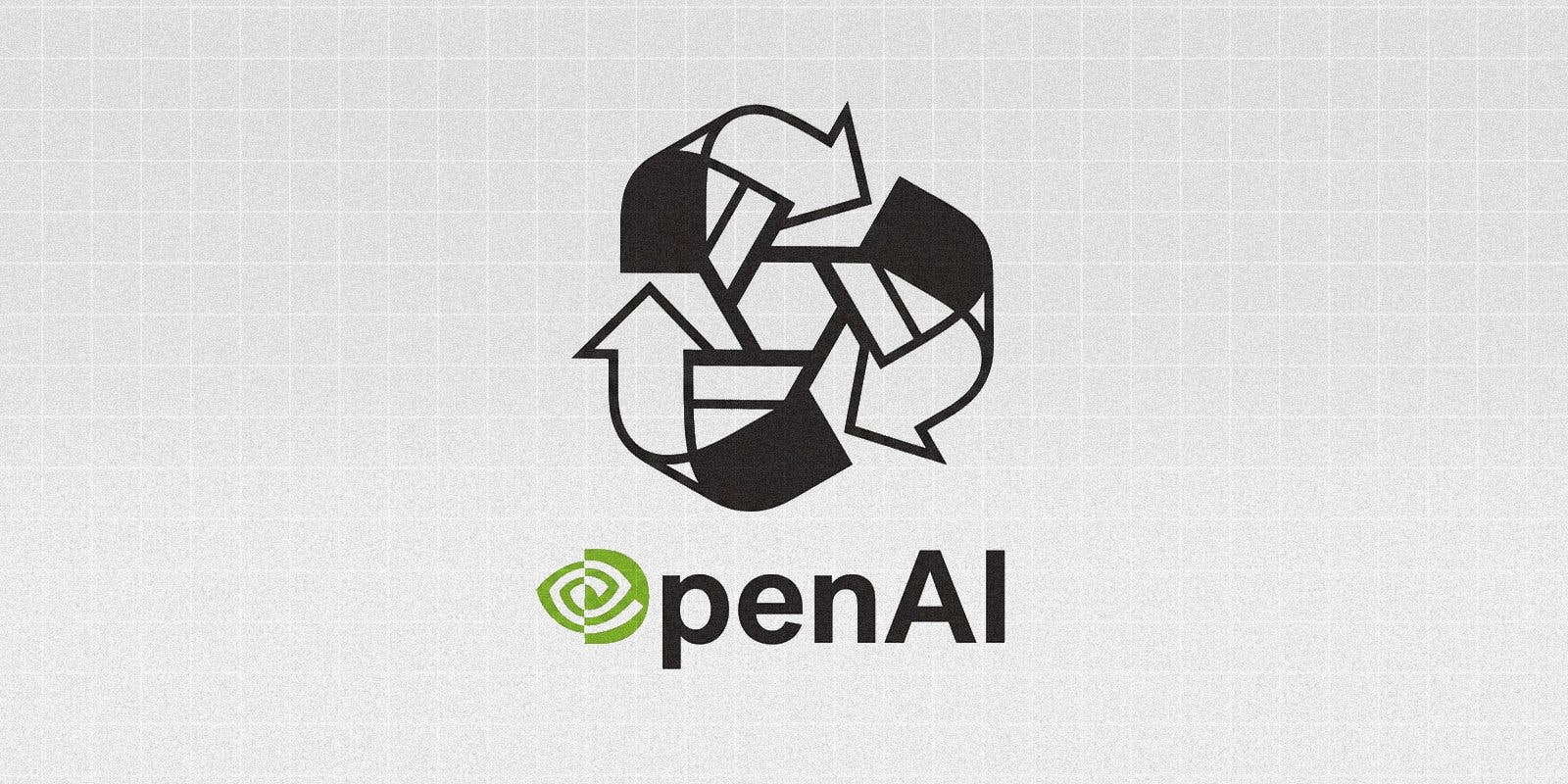
OpenAI, the company behind ChatGPT, is looking to secure a lease on a massive data center complex in Ohio, and the world's most valuable chipmaker, Nvidia, is reportedly stepping in to help. The deal, if it goes through, would mark a major step in the race to build the physical infrastructure needed to power advanced artificial intelligence.
What's the deal?
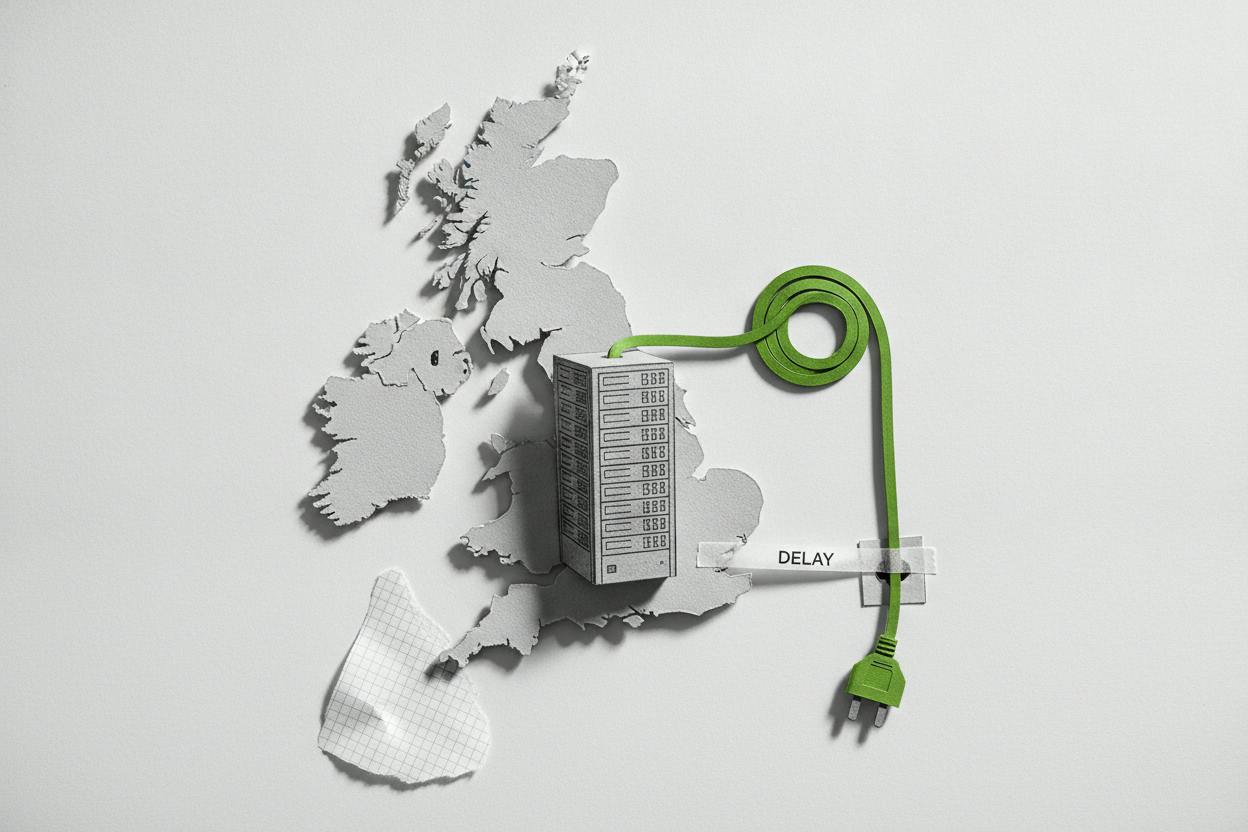
The data center complex, being developed by SB Energy—a subsidiary of Japanese tech conglomerate SoftBank—is located in Ohio and is expected to have a capacity of ten gigawatts. That's enough electricity to power roughly eight million US homes. The total cost of the project is estimated at more than $500 billion, making it one of the largest infrastructure projects of its kind.
OpenAI wants to move into this facility, but there's a problem. The company is still unprofitable and has what sources describe as mediocre credit. Leasing and building out a data center of this scale requires enormous upfront capital, and lenders are often wary of backing startups with uncertain revenue streams.
Why Nvidia matters
Nvidia, the chipmaker that has become the dominant supplier of processors for AI training and inference, has top-tier investment-grade credit. That means it can borrow money at lower rates and is seen as a reliable partner by banks and landlords. By backing OpenAI's lease, Nvidia could provide the financial credibility that the startup lacks.
This isn't the first time Nvidia has been linked to large-scale AI infrastructure. The company has been involved in a $500 billion deal for AI factories in South Korea and has seen its own stock surge as demand for AI chips skyrockets. But backing a lease for a rival's data center would be a new twist—one that underscores how intertwined the AI ecosystem has become.
The power bottleneck
Reliable electricity has become a serious bottleneck in AI infrastructure. Training large language models like GPT-4 requires vast amounts of energy, and data centers are increasingly competing with residential and industrial users for grid capacity. A ten-gigawatt facility would be a game-changer, but it also raises questions about whether the local grid can handle the load.
Ohio has become a hotspot for data center development, thanks to its relatively low electricity costs and available land. But projects of this scale often face regulatory hurdles and community opposition. The involvement of a high-profile tenant like OpenAI and a backer like Nvidia could help smooth the path.
What it means for investors
For everyday investors, this story highlights a few key trends. First, the AI boom is not just about software—it's about physical infrastructure. Companies that build, power, and equip data centers are likely to see sustained demand. Second, the financial dynamics of AI are shifting. Even well-funded startups like OpenAI need help from established players to execute their plans.
Nvidia's willingness to back this deal suggests that the company sees long-term value in ensuring that its customers have the capacity to run its chips. That could be a positive signal for Nvidia's revenue outlook, but it also adds risk: if OpenAI's business falters, Nvidia could be left holding the bag.
Investors should also watch for broader implications. If this deal goes through, it could set a precedent for other AI startups to seek similar backing from hardware suppliers. That could reshape the balance of power in the industry, giving chipmakers more influence over which AI projects get off the ground.
What's next
Neither OpenAI nor Nvidia has officially confirmed the deal. But reports suggest that negotiations are advanced, and an announcement could come in the coming weeks. Investors will be watching for details on the lease terms, the financing structure, and any regulatory approvals needed.
In the meantime, the story underscores a simple truth: AI's future depends as much on concrete and cables as it does on code. For those investing in the space, understanding the infrastructure side of the equation is becoming just as important as tracking the latest model releases.