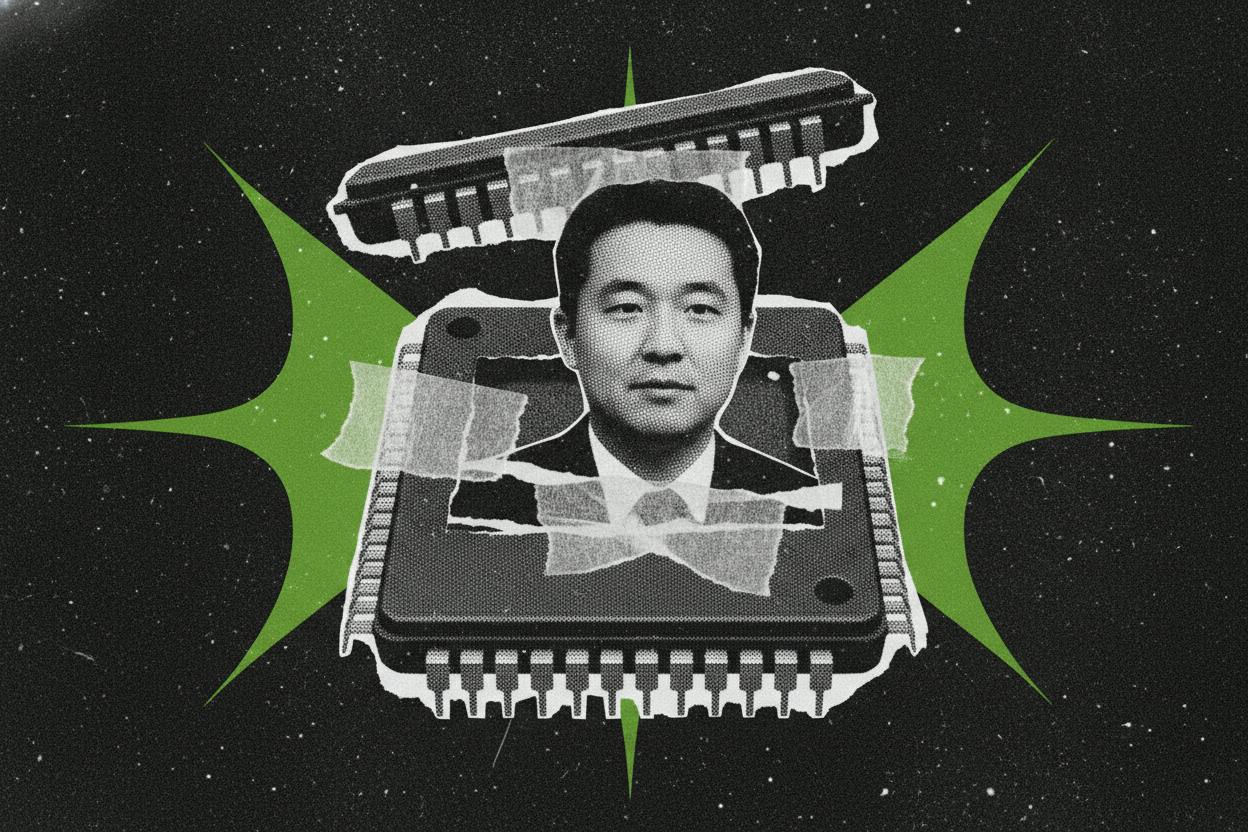
Nvidia's board has reinstated Jensen Huang as chief executive, ending a turbulent two-week period that had rattled investors and raised questions about the company's governance. The decision, which followed a review that found Huang posed no national security risk, sent Nvidia shares surging more than 30% and triggered a broad tech-led rally across global markets.
The move marks a sharp reversal from the board's earlier acceptance of Huang's resignation and its initial signal that he would not be returning. Less than two weeks later, the board unanimously voted to bring him back, a flip-flop that has left many observers scratching their heads about how the company's leadership decisions are being made.
A heavyweight's ripple effect
Nvidia is not just any company. As a dominant player in artificial intelligence chips, it carries enormous weight in major stock indexes. When its shares gapped higher, the relief was felt far beyond its own stock price. The Nasdaq composite climbed nearly 7%, while the S&P 500 gained 4.7%, recouping much of a prior selloff that had been driven by AI anxiety and leadership uncertainty.
The risk-on mood also spilled into the bond market. The US 2-year Treasury yield rose 10 basis points to 4.72%, a sign that investors were moving money out of safe-haven assets and back into riskier ones. Higher yields on short-term Treasuries typically reflect expectations of stronger growth or a shift in sentiment, and this move was consistent with a market that felt more comfortable taking on risk.
For everyday investors, the takeaway is that a single stock—especially one as influential as Nvidia—can move the entire market. When a giant like Nvidia jumps, it can remove what traders call "tail risk," the fear of a low-probability but high-damage event. That often cools market volatility and forces short-sellers to buy back shares, adding fuel to the rally. Lower volatility can then trigger more buying from systematic strategies that mechanically adjust their exposure, while options market makers may need to hedge in ways that add to index demand. That's how a single-stock shock can translate into outsized moves like the Nasdaq's near-7% rally and the S&P 500's 4.7% gain.
Governance questions linger
But the rally comes with an awkward governance question. How did the board go from accepting Huang's resignation to signaling no reinstatement, then unanimously reversing course in less than two weeks? That kind of whiplash can undermine investor confidence in a company's decision-making process, even if the immediate crisis is resolved.
The board's review reportedly cleared Huang of any national security concerns, but the episode has drawn attention to Nvidia's governance practices. Potential congressional scrutiny and ongoing debates over how durable the AI spending boom will be could keep headlines noisy in the coming weeks. For investors, that means the stock's recovery may not be the end of the story.
Nvidia has been at the center of the AI boom, with its chips powering everything from data centers to advanced language models. The company's fortunes are closely tied to the broader AI investment cycle, and any signs of weakness in that cycle can hit its stock hard. The recent selloff, which was partly driven by AI anxiety, showed how sensitive investors are to any hint of trouble in the sector.
Related coverage: Nvidia's board clears Huang and AI stocks rebound on Nvidia's jump.
What it means for investors
For the average investor, the key takeaway is that Nvidia's leadership drama is a reminder of how much influence a single company can have on the broader market. When a stock like Nvidia moves, it can drag the entire index along with it, for better or worse. That's why diversification remains a cornerstone of sensible investing—putting all your money in one stock, no matter how promising, exposes you to outsized risk.
The rally also highlights the importance of understanding the difference between a company's fundamentals and the market's reaction to news. While the reinstatement of Huang is a positive development, the governance questions that remain could create volatility down the road. Investors should be prepared for continued swings, especially if Congress decides to dig deeper into Nvidia's affairs or if the AI spending boom shows signs of cooling.
In the meantime, the market's relief is palpable. The Nasdaq's near-7% jump and the S&P 500's 4.7% gain are significant moves, and they suggest that investors are willing to look past the governance mess for now. But as the old adage goes, markets climb a wall of worry. The worry here is that Nvidia's board has shown it can change its mind quickly, and that uncertainty could linger.
For those watching from the sidelines, the lesson is to keep an eye on Nvidia's next moves—both in the boardroom and in the AI market. The company's ability to navigate these challenges will likely determine whether the current rally has staying power or fades as quickly as it began.



