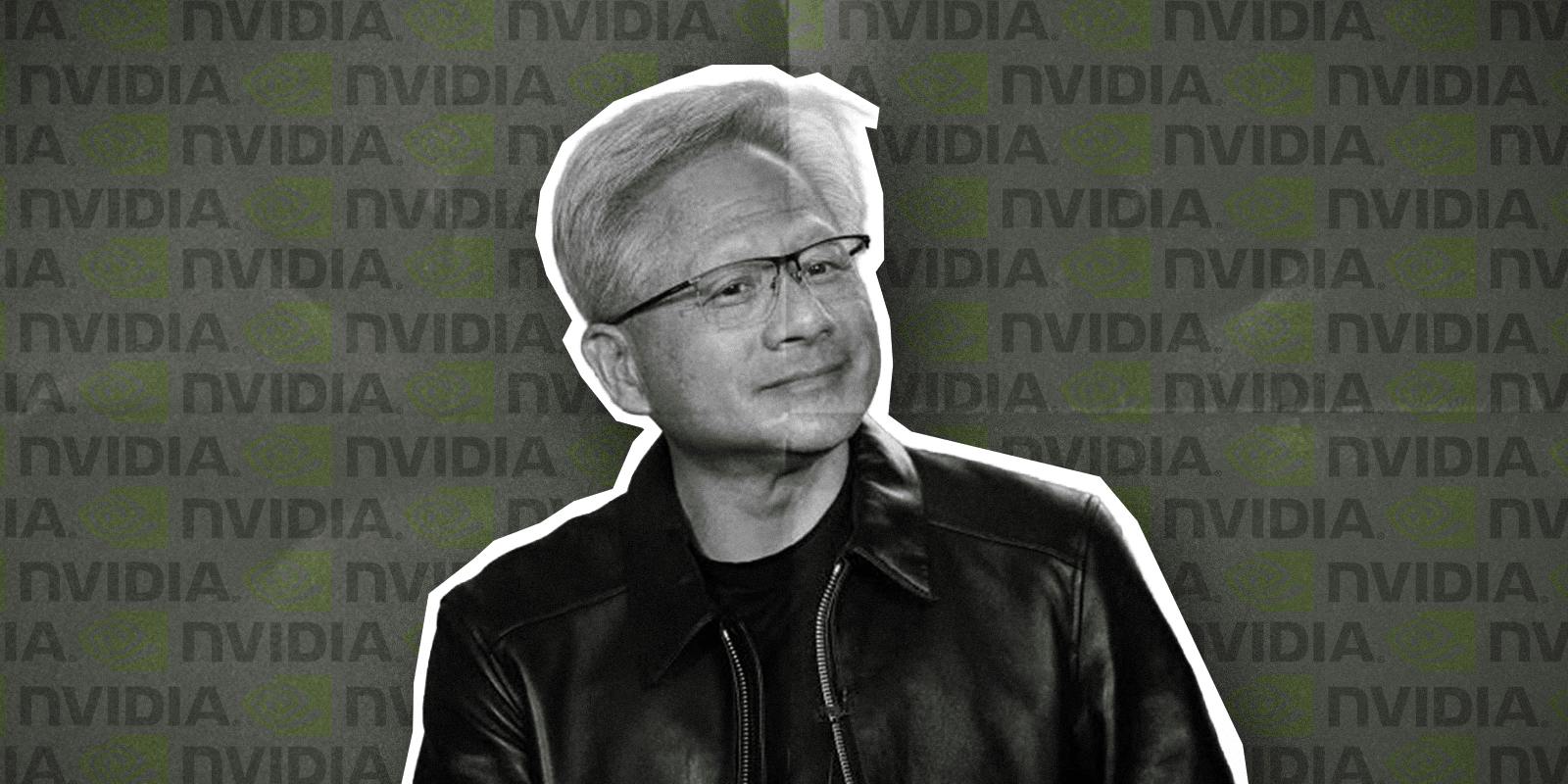
In a dramatic reversal, Nvidia's board has reinstated Jensen Huang as chief executive, according to Reuters, after concluding that he no longer represents a national security risk. The decision, which came after weeks of uncertainty, sent the chipmaker's shares soaring 33% in a single session and helped lift the Nasdaq composite by 6%. The move also pushed the 2-year Treasury yield to 4.72%, reflecting a shift in investor sentiment toward riskier assets.
Why the whiplash matters
Nvidia sits at the very center of the AI hardware boom. Its graphics processing units (GPUs) are the workhorses behind everything from large language models to data centers. When leadership looks shaky, investors start to worry about more than just who runs the company. They begin pricing in potential distractions like tighter government scrutiny, export restrictions, or delays in delivering chips to customers.
Reuters noted that this month's pullback in AI-linked stocks was partly tied to that uncertainty. The possibility that Huang—who is synonymous with Nvidia's rise—could be sidelined created a cloud over the entire sector. The board's decision to bring him back was read by markets as a clear "back to business" signal.
The relief rally spread quickly. Beyond Nvidia's own shares, the broader tech-heavy Nasdaq jumped 6%, and investors rotated out of defensive positions. The move also had ripple effects in other markets, with Latin American stocks rebounding on the Nvidia-led rally, though Brazil lagged behind.
What this means for investors
For everyday investors, the key takeaway is that Nvidia's fortunes are deeply tied to its leadership and to the regulatory environment around AI chips. When the company faces headwinds—whether from government probes or leadership changes—the entire AI trade can wobble. Conversely, when those clouds lift, the sector can surge just as quickly.
This episode also highlights how sensitive the market is to any sign of disruption in the AI supply chain. Nvidia's chips are essential to countless companies building AI products, so any delay or restriction can have outsized effects. Investors should watch for further developments on the regulatory front, including ongoing questions about China chip smuggling and California's criminal probe into Nvidia's China chip sales.
At the same time, the 33% jump shows how quickly sentiment can turn. For those holding Nvidia or AI-related funds, the volatility is a reminder that these stocks can move dramatically on news. For those on the sidelines, the question is whether the current rally has more room to run or if the underlying risks—such as export controls and accounting scrutiny—will resurface.
The broader picture
Nvidia's reinstatement of Huang comes amid a backdrop of heightened regulatory attention on the company. The SEC has been probing Nvidia's accounting, adding to a pile-up of regulatory issues. These probes, combined with the national security review, had weighed on the stock earlier this month, with shares plunging 14% at one point.
The board's decision to clear Huang suggests that, at least for now, the national security concerns have been resolved. But the broader regulatory environment remains uncertain. The U.S. government has been tightening export controls on advanced chips, and Nvidia has had to navigate complex rules around selling to China. Any further restrictions could still hit the company's revenue, which relies heavily on sales to Chinese tech firms.
For investors, the reinstatement is a positive sign, but it doesn't erase the underlying risks. The AI trade is still subject to geopolitical tensions, supply chain issues, and regulatory scrutiny. As always, diversification and a long-term perspective are important when investing in high-growth sectors.
What to watch next
Investors will be watching several things in the coming weeks. First, how Nvidia's stock performs after the initial surge—will it hold its gains or give some back? Second, any updates on the SEC accounting probe or the California criminal investigation. Third, whether the company can maintain its growth trajectory amid export restrictions.
The broader market will also be paying attention to the 2-year Treasury yield, which moved to 4.72% after the rally. A higher yield can signal that investors are more willing to take on risk, but it can also be a sign of inflation expectations. For now, the mood is optimistic, but the AI trade remains one of the most watched—and most volatile—areas of the market.
As always, this is not financial advice. But understanding the forces at play can help you make more informed decisions about your own portfolio.



