Nvidia delivered a blockbuster earnings report on Tuesday, with quarterly revenue more than doubling to $115.8 billion, easily beating the $109 billion analysts had expected. The surge was driven by AI chip sales, which brought in $107.6 billion of the total. The results come at a turbulent time for the company, which is searching for a new CEO after Jensen Huang's exit and facing new US restrictions on chip exports to China.
Strong forecast reassures investors
Looking ahead, Nvidia expects revenue of around $130 billion this quarter, a figure that tops analysts' forecasts even though it assumes no chip revenue from China. That guidance suggests the AI buildout is still rolling along, despite recent worries about a slowdown in spending on data centers and AI infrastructure.
The earnings beat and upbeat outlook helped calm investors who had been rattled by the leadership change and the possibility that demand for AI chips might be peaking. As we noted earlier, the strong forecast eased concerns that the AI trade was losing steam.
Leadership uncertainty hangs over the call
But the big question on the earnings call was leadership. Earlier in the day, Huang offered to return as CEO if asked, but the board chair said there are no plans to offer him the job. The company has launched a search for a new CEO, and the interim boss, Colette Kress, is steering the ship in the meantime.
The leadership vacuum adds a layer of uncertainty to a company that is also navigating geopolitical headwinds. Huang was the architect of many of Nvidia's key deals, including its investments in AI startups, and his departure could change the company's strategic direction.
US tightens chip export rules
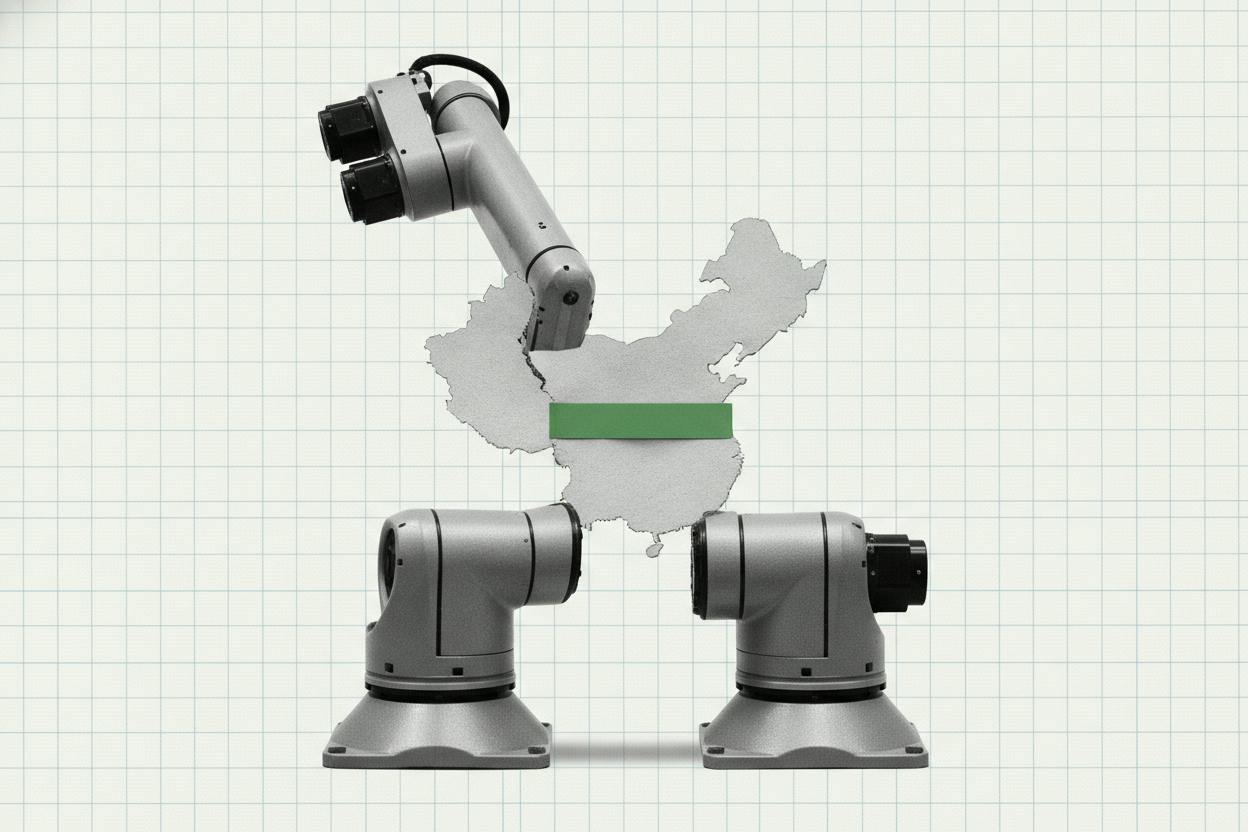
Adding to the pressure, the US has imposed new restrictions on China's access to Nvidia's advanced chips. As of Monday, US licenses are required for overseas data centers using Nvidia's chips to supply significant compute power to Chinese companies. Separate licenses are now needed for shipping Nvidia's chips to Singapore, Malaysia, Thailand, Indonesia, and Brazil, as the US seeks to curb China's remote access and chip smuggling routes.
The timing is delicate: the new rules land just days before the Chinese and American presidents meet at an economic summit, threatening the fragile trade truce between the two countries. China has leverage of its own, controlling critical minerals and rare earth metals that the US needs for electronics and defense manufacturing.
What it means for investors
For investors, the key takeaway is that Nvidia's core business remains exceptionally strong. Demand for AI chips is still outpacing supply, and the company's forecast suggests that the AI buildout is far from over. However, the new export restrictions could dent Chinese AI ambitions and give American AI labs some breathing room. Chinese AI developers and cloud provider stocks fell on Tuesday, with tech giant Alibaba down 5%.
But the restrictions also pose risks for data center operators, who could lose major customers and find it harder to finance their projects. The AI buildout needs around a trillion dollars in investment next year, and if financing tightens, that could slow infrastructure expansion and the revenue growth riding on it.
Nvidia's own investment strategy is also under scrutiny. The company doesn't just sell chips; it also bankrolls the companies that buy them, raising concerns about circular financing. Analysts estimate that a deeper retreat from such investments could remove $50 billion or more in AI financing. Pulling back could protect Nvidia's balance sheet but would also risk undermining its own customers.
Competition is another factor to watch. Alphabet now sells its own AI chips, called TPUs, to outside customers, and they reportedly cost 30% less than Nvidia's chips while delivering comparable performance on some tasks. They've attracted Apple, Meta, Oracle, and Anthropic, and OpenAI is reportedly next. As AI shifts from training models to running them, cheaper chips could gain ground, threatening the exceptional profitability that underpins Nvidia's valuation.
For everyday investors, the story is one of a company with incredible momentum but also significant risks. The earnings beat and strong forecast are reassuring, but the leadership transition, export restrictions, and competitive pressures mean the road ahead is far from smooth. As always, it's wise to consider how these factors fit into your broader portfolio rather than making any hasty moves.