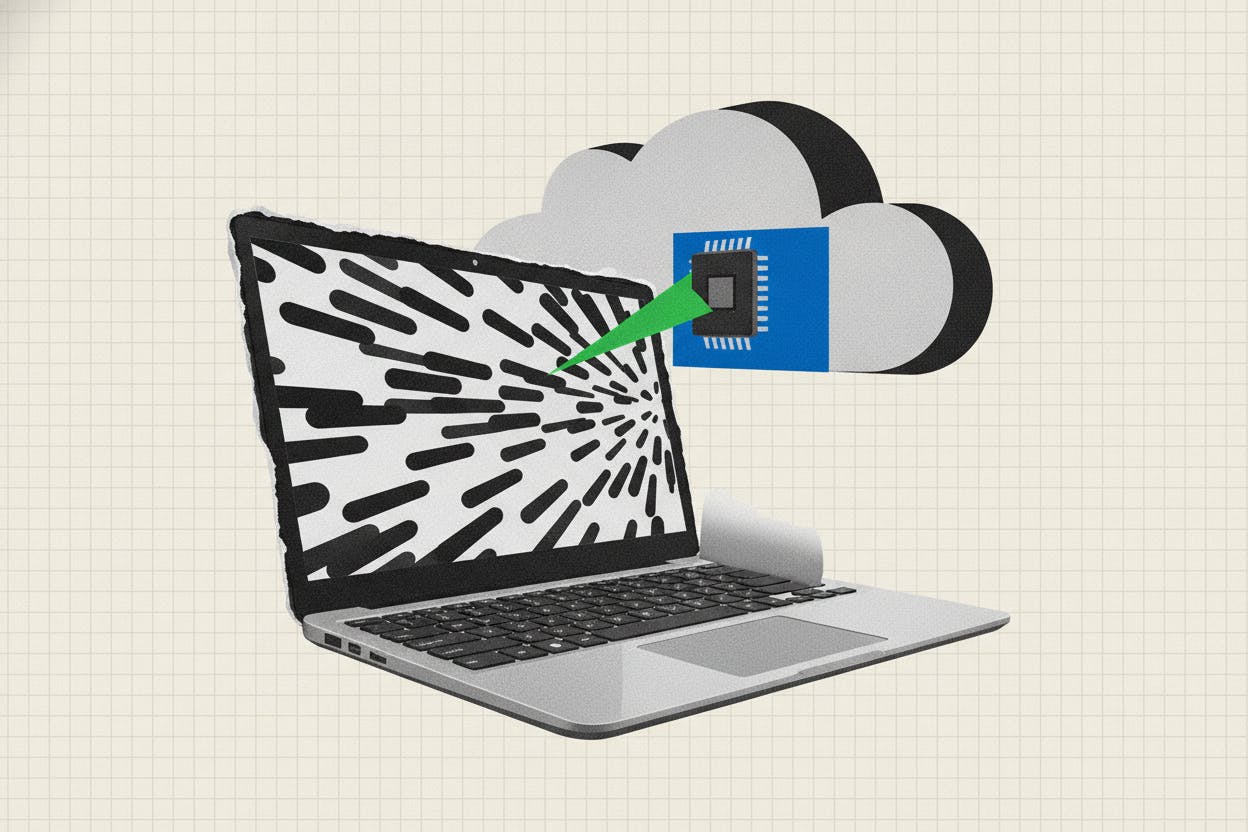
Nvidia is bringing its AI processing power to personal computers in a more tangible way this fall. The chipmaker announced that Acer and Lenovo will be the first manufacturers to ship Windows laptops and desktops equipped with its new RTX Spark chip, starting in October. The move is part of Nvidia's broader strategy to shift more artificial intelligence workloads from the cloud to the devices people use every day.
What is RTX Spark?
RTX Spark is a new chip that combines Nvidia's Blackwell graphics architecture with a Grace CPU. In plain terms, it's a processor designed to handle AI tasks—like running large language models, image generation, or real-time translation—directly on your computer, without needing to send data to a remote server. This is often called "on-device AI" or "edge AI."
For everyday users, this could mean faster response times, better privacy (since your data doesn't leave your machine), and the ability to use AI features even without an internet connection. For businesses, it could reduce the cost and latency of AI applications that currently rely on cloud data centers.
Why it matters for the PC market
Nvidia is best known for its data center GPUs, which power much of the AI boom in the cloud. But the company has been pushing to bring AI capabilities to personal computers, competing with the likes of Intel, AMD, and Qualcomm, which are also developing chips with dedicated neural processing units (NPUs).
The RTX Spark chip is notable because it pairs Nvidia's powerful graphics technology with a CPU, potentially offering a more robust on-device AI experience than typical laptop processors. Acer and Lenovo being first out of the gate suggests that major PC makers see this as a selling point for consumers and professionals who want AI features without relying solely on the cloud.
This launch comes amid a broader trend of AI features being built into operating systems and software. Microsoft, for example, has been adding AI tools to Windows, and having hardware that can run them locally is increasingly important.
What it means for investors
For investors, this is a signal that Nvidia is looking beyond its dominant position in data centers to the PC market, which could open up a new revenue stream. The company has already shown its appetite for expanding its AI footprint through deals like its reported $12.93 billion acquisition of Hugging Face, a hub for AI models, and its $35 billion investment in Anthropic and Lambda for compute capacity. These moves highlight Nvidia's strategy of embedding itself across the AI stack, from chips to software to model distribution.
But investors should also consider the competitive landscape. The PC chip market is crowded, and Nvidia will need to convince consumers and businesses that its solution is worth the premium. The success of RTX Spark will depend on software developers optimizing their AI applications to run on Nvidia's hardware, as well as on the actual performance and battery life of the first laptops and desktops.
For now, the announcement is a positive sign for Nvidia's ability to innovate and expand, but it's not yet clear how much revenue this segment will generate. As with any new product, the early reviews and sales figures will be telling.
Looking ahead
October is just around the corner, and tech enthusiasts will be watching closely to see how these first RTX Spark PCs perform. If they deliver on the promise of fast, private, on-device AI, we could see a wave of similar products from other manufacturers. For the average investor, this is a reminder that AI's impact is not limited to the cloud—it's increasingly becoming a feature of the devices we use daily.
As always, it's wise to keep an eye on Nvidia's earnings and product announcements, as they often set the tone for the tech sector. The company's recent blockbuster results lifted its stock, but the broader tech rally has been muted, suggesting that investors are becoming more selective about which AI plays are worth their money.
In the meantime, if you're in the market for a new PC, you might want to wait until October to see what Acer and Lenovo have to offer. But remember, this is not a recommendation to buy any particular stock—just an explanation of what's happening and why it matters.