New Zealanders felt a bit better about the economy in November, with a key consumer confidence gauge rising to 100.2. The improvement was helped by lower fuel prices, which gave households some breathing room after a prolonged stretch of high living costs. Still, the mood remains cautious, and the index is far from signaling a full recovery in spending.
Confidence climbs, but still below average
The ANZ-Roy Morgan survey showed confidence rose from 96.2 in October to 100.2 in November, marking the highest reading since January. While that is a welcome move, the index remains well below its long-run average of 112, underscoring how fragile the consumer mood still is.
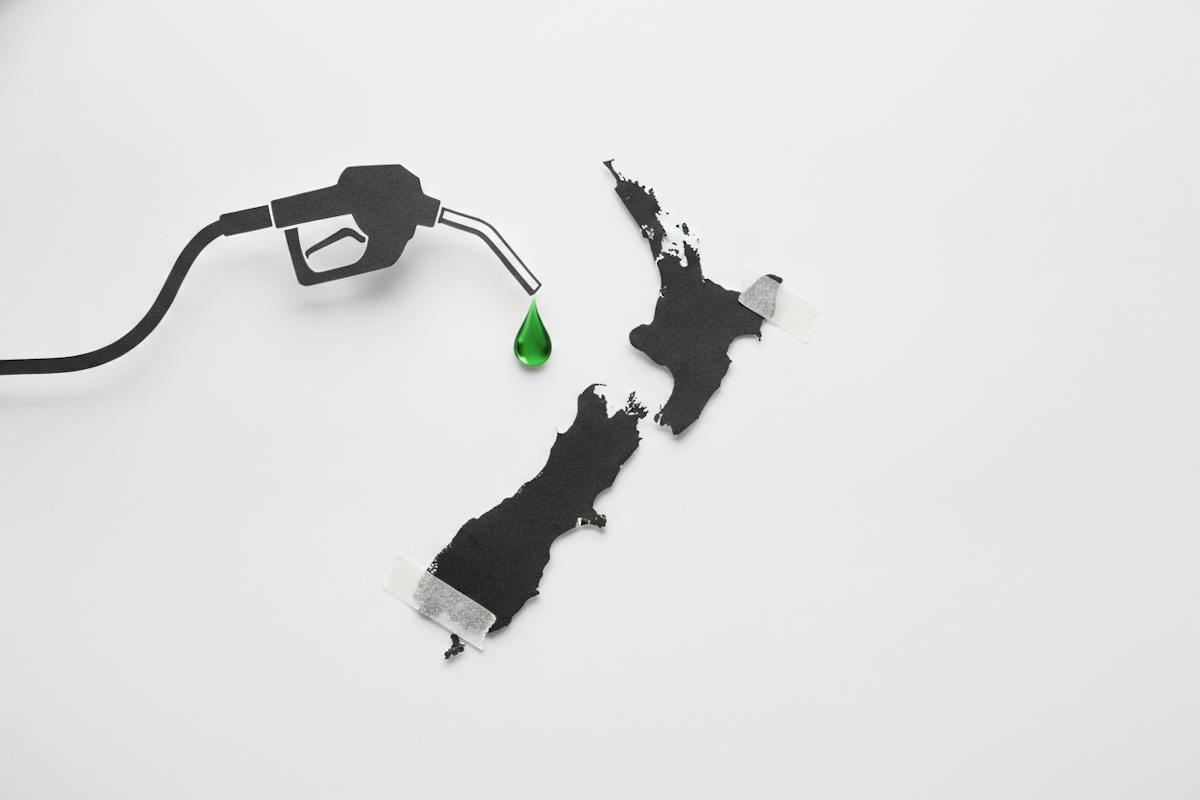
Cheaper petrol was a key driver, as falling pump prices directly eased one of the most visible costs for households. Fewer respondents also said it was a bad time to buy a major household item, a sign that the worst of the squeeze may be fading at the edges. People turned less pessimistic about the year-ahead economic outlook, and longer-term views improved as well.
Inflation expectations cool
In a separate but related signal, two-year inflation expectations cooled to 3.9%. That is still above the Reserve Bank of New Zealand's 1-3% target band, but the downward trend suggests households and businesses are starting to believe price pressures will ease over time. Lower inflation expectations can be self-reinforcing: if people expect prices to rise more slowly, they may be less inclined to demand big wage increases, which in turn helps keep inflation in check.
The cooling in inflation expectations comes alongside a broader global trend of central banks trying to bring price growth back to target without tipping economies into recession. In New Zealand, the central bank has been watching consumer behavior closely, as household spending makes up a large share of economic activity.
What it means for investors
For investors, the rise in consumer confidence is a modest positive signal. It suggests that the domestic economy may be stabilizing, which could support earnings for retailers, banks, and other consumer-facing companies. However, the still-subdued level of confidence means any recovery in spending is likely to be gradual rather than sharp.
Cheaper fuel is a direct boost to household budgets, but other costs—such as housing, food, and insurance—remain elevated. That is why many households are still cautious about making big purchases or taking on new debt. The improvement in confidence is a step in the right direction, but it is not yet a green light for a consumer-led rebound.
Investors should also keep an eye on inflation expectations. The move to 3.9% is a positive development, but it remains above the central bank's target. If expectations continue to drift lower, it could reduce pressure on the Reserve Bank to keep interest rates high, which would be supportive for asset prices, including New Zealand stocks.
Broader context
The New Zealand data echoes trends seen elsewhere. In the United States, consumer confidence has also shown resilience, with a recent jump to 103.3 as election uncertainty faded, lifting financials and real estate. Similarly, German consumer mood has ticked up but remains deep in negative territory, highlighting the uneven nature of the global recovery.
For everyday investors, the key takeaway is that consumer confidence is a leading indicator for spending, which drives corporate earnings. A sustained rise in confidence could translate into better results for companies that depend on discretionary spending. But with the index still below its long-run average, patience may be needed.
The next data points to watch are retail sales figures, employment numbers, and any further moves in fuel prices. If confidence continues to climb and inflation expectations keep cooling, the outlook for the New Zealand economy—and its stock market—could brighten. For now, the mood is cautiously optimistic, not exuberant.