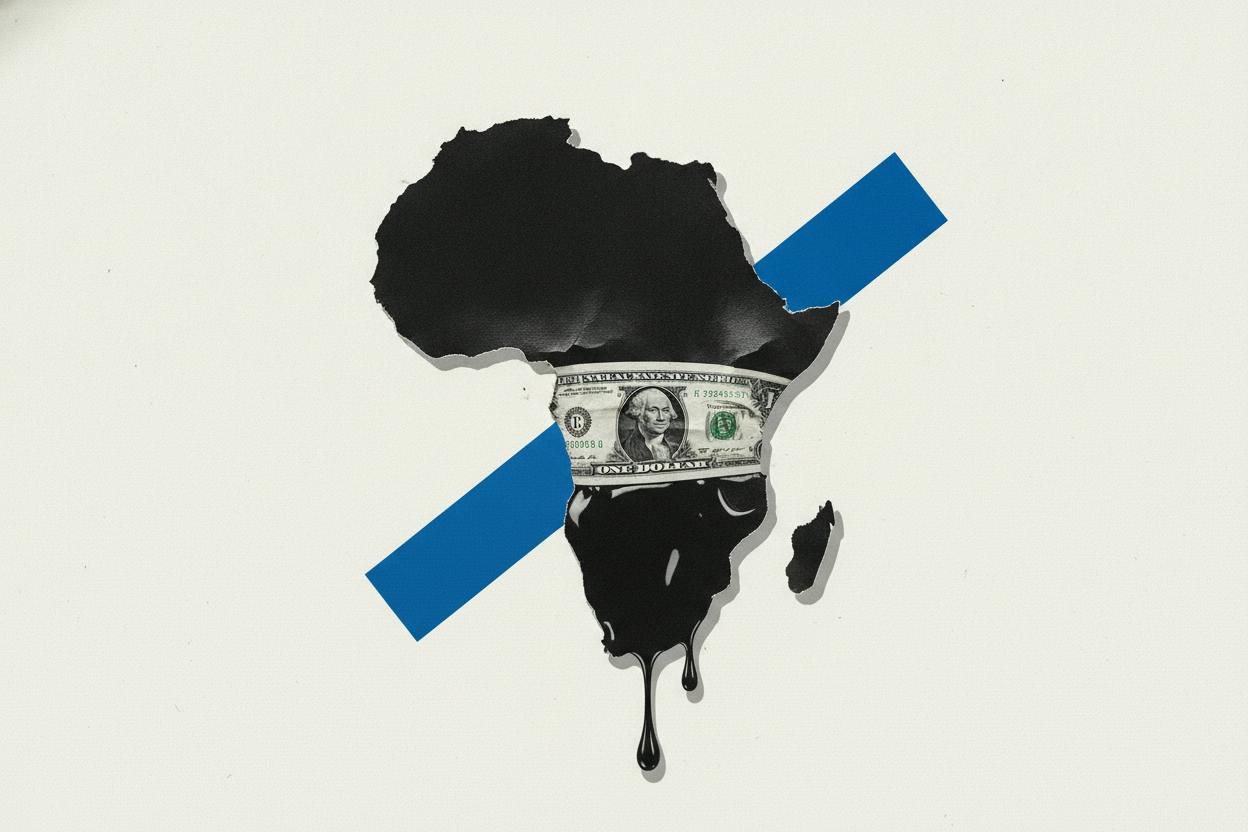
African markets are entering a week of crosscurrents, with traders weighing stabilizing oil prices against a firmer US dollar and the prospect of higher US interest rates. Adding to the mix, United Nations talks that could reshape US-Iran relations are giving investors fresh reasons to reassess energy and currency risk across the continent.
For many African economies, the price of crude and the strength of the dollar are the twin forces that set the daily mood in financial markets. When oil falls, energy importers often get some relief on fuel bills and import costs, while exporters feel the pinch. When the dollar strengthens, it typically makes dollar-denominated debt and imports more expensive, and can tighten local financial conditions as capital flows shift.
Oil's two-sided impact
Oil prices have been trying to stabilize after a recent slide, but the path ahead is far from clear. The drop in crude has been a welcome development for net importers across Africa, many of which are still grappling with elevated inflation and stretched public finances. Cheaper fuel can ease pressure on household budgets and reduce the cost of subsidizing energy, giving governments a little more breathing room.
For oil exporters, however, the picture is less rosy. Lower crude prices mean reduced export revenues and thinner fiscal buffers, which can weigh on currencies and complicate budget planning. The divergence between importers and exporters is a reminder that Africa is not a single market, and that commodity price moves rarely benefit everyone equally.
The UN talks tied to US-Iran relations add a geopolitical layer to the oil outlook. Any sign of a thaw in tensions could keep a lid on prices by reducing supply risk, while a breakdown could reignite volatility. Traders are watching closely because the Middle East remains a key chokepoint for global energy shipments, and any disruption tends to ripple through African markets quickly.
The dollar's grip
At the same time, the US dollar has been strengthening as investors position for higher US interest rates. A robust dollar tends to put pressure on emerging-market currencies, and African currencies are no exception. When the dollar appreciates, it becomes more expensive for African governments and companies to service dollar-denominated debt, and it can also make imports pricier, feeding into inflation.
This dynamic is especially relevant for South Africa, where the central bank is due to release an inflation report and make a rate decision. South Africa's inflation has been a key focus for policymakers, and the strength of the dollar only complicates the calculus. A weaker rand, driven by dollar strength, can push up import prices and keep inflation elevated, potentially forcing the central bank to maintain a tighter monetary stance than it might otherwise prefer.
Investors will be parsing the inflation data for clues about the future path of interest rates in Africa's most industrialized economy. A higher-than-expected reading could reinforce expectations of a hawkish hold or even a hike, while a softer number might open the door to eventual easing. Either way, the decision will have implications for the rand, local bonds, and equities.
What it means for investors
For everyday investors, the key takeaway is that African markets are being buffeted by forces largely outside the continent's control. Oil prices and the dollar are global variables, but their effects are felt acutely in local currencies, inflation, and interest rates.
Investors with exposure to African assets should keep an eye on the oil price, as it can quickly change the fortunes of both importers and exporters. A sustained decline in crude might benefit countries like Kenya or Ethiopia, which rely heavily on fuel imports, while hurting nations like Nigeria or Angola, whose budgets depend on oil revenue.
The dollar's strength is another factor to watch. A prolonged period of dollar appreciation could put pressure on African currencies and raise the cost of servicing foreign debt. That said, many African economies have built up reserves and adopted more flexible exchange rates in recent years, which can help cushion the blow.
South Africa's inflation report and rate decision will be a focal point for the region, as the country's monetary policy often sets the tone for investor sentiment across the continent. A surprise in either direction could trigger moves in the rand and in local bond markets.
Finally, the UN talks on US-Iran relations are a wildcard. Any major shift in the geopolitical landscape could send oil prices in either direction, with knock-on effects for African markets. Traders will be listening for any headlines that suggest a breakthrough or a breakdown.
In the meantime, the broader backdrop remains one of caution. Global markets are still digesting the implications of higher US rates, and Africa is not immune to those ripples. As always, diversification and a long-term perspective are sensible tools for navigating the volatility.