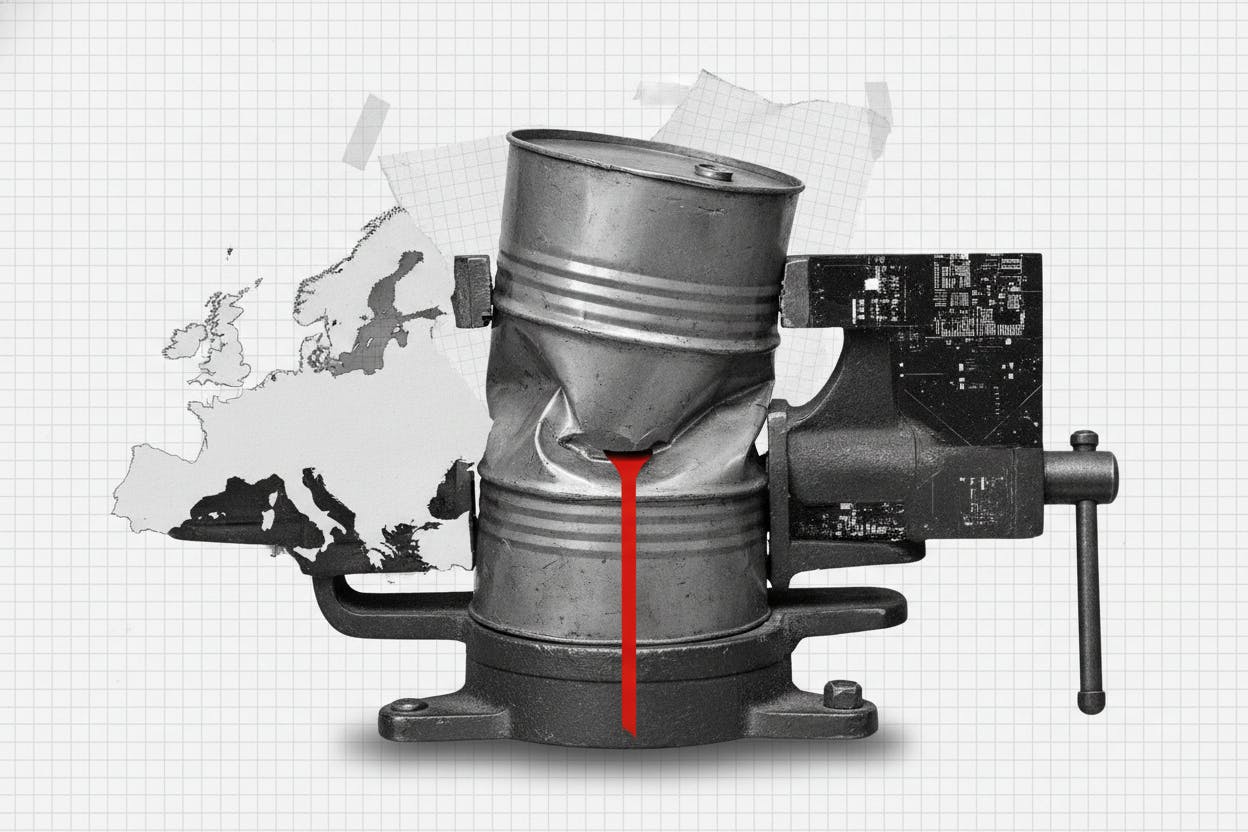
Oil prices have breached the $100 mark for the first time since late May, after a series of attacks on tankers in the Red Sea disrupted key shipping routes. Brent crude jumped 6% to $100.50 a barrel, sending ripples through global markets already on edge over rising AI spending and inflation risks.
What's Behind the Oil Spike?
The immediate trigger is a fresh wave of attacks on commercial vessels in the Red Sea, a critical chokepoint for oil and gas shipments from the Middle East to Europe and Asia. These incidents have forced some tankers to reroute, adding time and cost to deliveries. The move above $100 is significant because it signals that markets are pricing in a sustained disruption, not just a temporary blip.
Higher oil prices have a direct impact on inflation. Crude is a key input for transport, plastics, and manufacturing, so when it gets more expensive, those costs tend to ripple through the economy. That's why the European Central Bank (ECB) is paying close attention. The ECB kept its policy rate at 2.25% after a June increase, but warned that the energy shock's inflation impact 'has yet to play out.' Investors responded by pushing Germany's 10-year Bund yield above 3%, reflecting expectations of tighter monetary policy ahead.
Big Tech Under Pressure
While oil grabbed headlines, the tech sector also faced a rough day. Tesla and Alphabet both slid after reporting earnings that highlighted heavy cash burn tied to AI investments. Tesla's cash flow turned negative as the company ramped up spending on autonomous driving and AI infrastructure. Alphabet, meanwhile, saw its cloud division's AI push eat into profits.
This is part of a broader trend: Wall Street Pulls Back as Big Tech's AI Spending Spooks Investors, Oil Hits $100. Investors are starting to question whether the massive capital outlays for AI will pay off anytime soon, especially as interest rates remain elevated. The combination of higher energy costs and tech spending concerns has created a cautious mood across markets.
What It Means for Investors
For everyday investors, the oil spike is a reminder that geopolitical events can quickly reshape the inflation outlook. If oil stays above $100, it could delay central banks' plans to cut interest rates, which would affect everything from mortgage rates to stock valuations. The ECB's warning is a signal that Europe may feel the heat first, but the US isn't immune either.
On the tech side, the sell-off in Tesla and Alphabet underscores a key risk: companies spending heavily on AI may see their cash reserves dwindle, making them more vulnerable if the economy slows. Tesla's Cash Flow Turns Negative as AI Spending Surges is a case in point. Investors should watch for similar trends in other big tech names.
Energy stocks, by contrast, could benefit from the oil rally. Oil Surge Past $99 Hits US Stocks as Red Sea Tanker Attacks Stoke Supply Fears shows how the same event can lift some sectors while dragging down others. Diversification remains key.
Looking Ahead
The next few days will be critical. If Red Sea tensions ease, oil could quickly retreat. But if attacks continue, the $100 level may become a new floor. The ECB's next move will also be closely watched, as will earnings reports from other tech giants. For now, the message from markets is clear: inflation risks are back, and AI spending is a double-edged sword.



