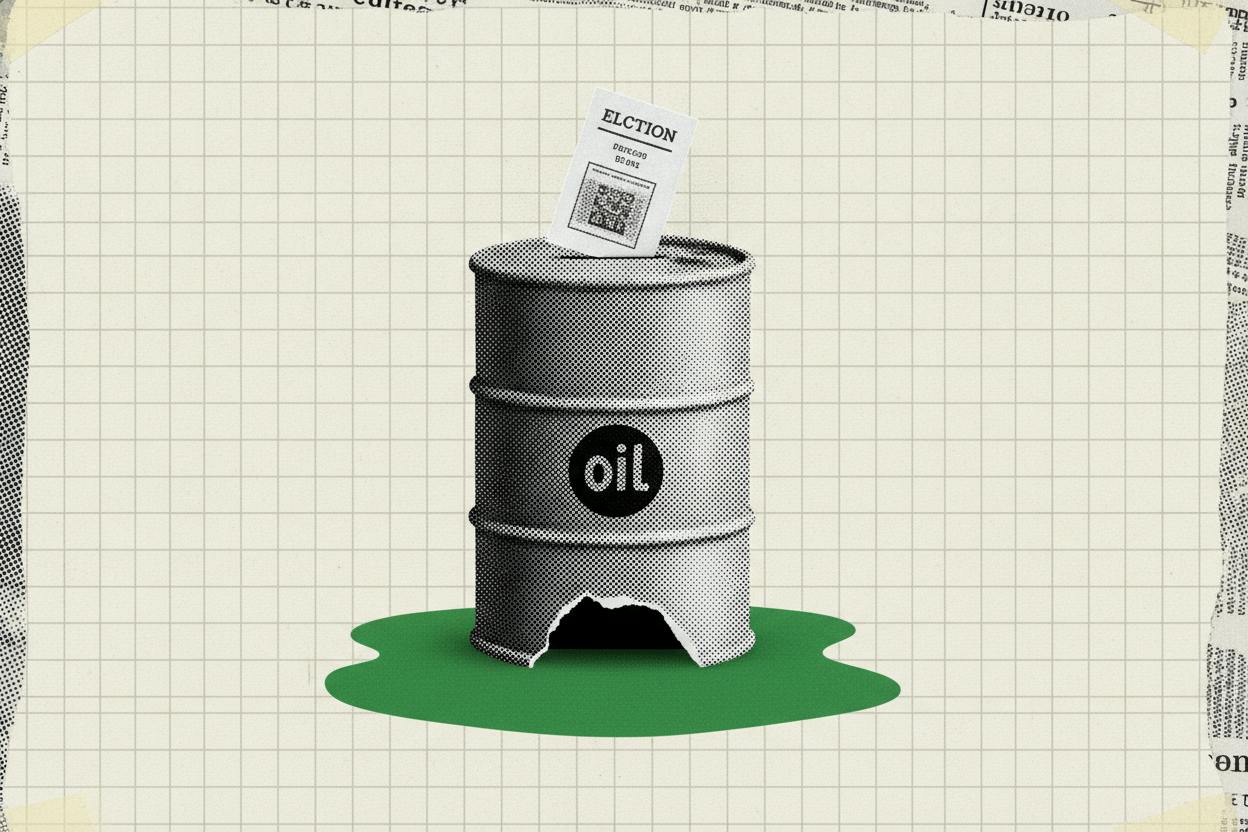
Oil prices suffered their sharpest one-day drop in months overnight, with Brent crude falling nearly 9% as traders reassessed the likelihood of further escalation in the US-Iran conflict. The trigger: US midterm election results that investors read as a possible political brake on military action.
According to Reuters, Brent slipped below $100 a barrel and tested around $93.50 in Asian trading as markets bet that a newly empowered Democratic Congress would raise the political cost of higher gasoline prices. The move marked a dramatic reversal from recent sessions, where geopolitical risk had kept a hefty premium in crude.
Why the midterms changed the oil math
The US-Iran conflict has been a key driver of oil prices for weeks, with any hint of escalation sending crude higher on fears of supply disruptions. But the midterm results shifted that calculus. A Democratic Congress, the thinking goes, would face intense voter pressure over fuel costs, making further military action—and the resulting price spikes—politically unpalatable.
That logic hit the oil market hard. Brent's near-9% slide is a reminder of how quickly geopolitical premiums can evaporate when the political landscape shifts. For everyday investors, it also underscores how intertwined energy prices are with politics, not just supply and demand.
The bond market rallied alongside the oil drop. Lower oil prices feed directly into headline inflation, which has been a central worry for central banks and investors alike. A cooler inflation outlook reduces the need for aggressive interest rate hikes, which is typically good news for bond prices.
Solar stocks shine as oil fades
Solar stocks jumped in the same session, a classic sign of investors rotating away from fossil fuels and toward renewable energy. When oil prices fall, the economics of solar and other clean energy sources become relatively more attractive, and the sector often benefits from a political environment seen as more supportive of climate action.
This dynamic was visible across markets, with solar names outperforming. The move also fits a broader trend of deal-making picking up in solar, chips, and real estate, as investors position for a shifting energy landscape.
What it means for investors
For ordinary investors, the oil slide is a double-edged sword. On one hand, cheaper oil should ease pressure at the pump and help bring down inflation, which could reduce the burden on household budgets and potentially slow the pace of central bank rate hikes. That's a positive for stocks and bonds alike.
On the other hand, a sharp drop in oil can hurt energy companies' profits and weigh on energy-heavy stock indices. Investors with exposure to oil majors or energy ETFs should be prepared for volatility.
The bond rally is particularly notable. If inflation expectations continue to cool, bond yields could fall further, which would boost bond prices. This is a key reason why Indian bonds rallied as the oil slide and a softer dollar eased inflation fears.
The dollar also slipped on the midterm outcome, as markets anticipated a less hawkish Federal Reserve. A weaker dollar tends to support emerging market assets, and the rupee was set to open firmer as Brent's slide eased dollar demand.
Looking ahead
Traders will now watch for any official statements from Washington or Tehran that could reignite tensions. The oil market remains sensitive to headlines, and a single geopolitical event could reverse the overnight slide.
Investors should also keep an eye on inflation data, which will show whether cheaper oil is translating into lower consumer prices. If inflation cools faster than expected, it could give central banks more room to pause rate hikes, a scenario that would likely support both bonds and equities.
For now, the midterms have provided a fresh narrative: a political check on escalation, lower oil, and a potential reprieve for inflation-weary consumers. But as with any geopolitical shift, the market's read could change quickly.