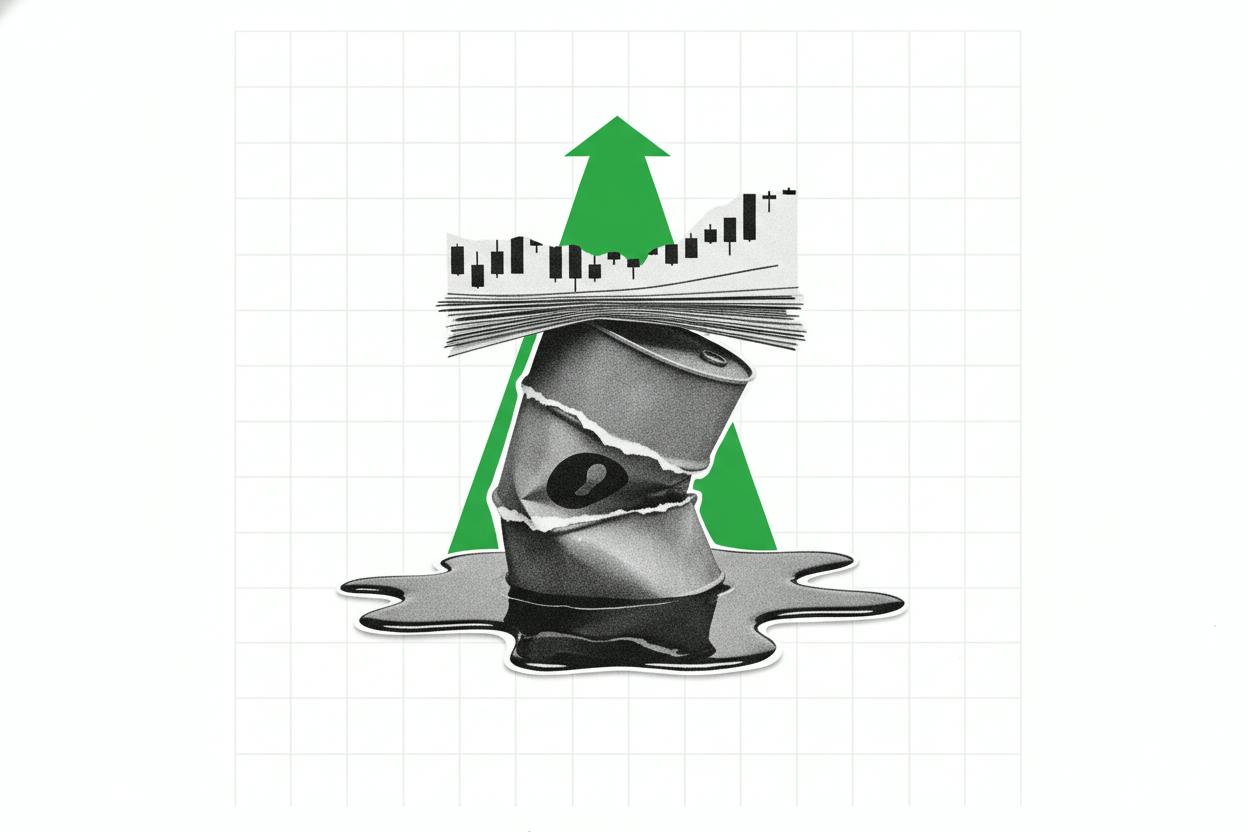
Wall Street found a reason to cheer on Monday, but it wasn't coming from the energy patch. Stocks broadly rose as Brent crude tumbled more than 6% to a near two-week low, after signs of progress in US-Iran talks raised hopes that Middle East supply risks could ease. For investors, cheaper oil acted like a quick mood-improver, cooling worries about inflation and giving growth stocks a lift.
The move was a clear case of one commodity moving markets in two directions at once. Big growth names climbed—Amazon jumped 4.1% and Nvidia added 1.5%—while the S&P 500 energy sector fell more than 2.1% as the very thing that drives its revenues slid. The split shows how a drop in crude can be a tailwind for some stocks and a headwind for others.
Why cheaper oil helps growth stocks
Oil is one of the fastest-moving inputs into inflation expectations. When crude prices fall sharply, it can signal that the cost of gasoline, shipping, and other energy-dependent goods might ease. That, in turn, can soften what consumers and businesses expect to pay in the future—and that matters for financial markets.
Here's the mechanism: if investors think inflation pressure is fading, they often accept lower bond yields. Lower yields reduce the “discount rate” used to value future profits, which tends to boost stocks whose earnings are expected further out. That's why long-duration growth companies—think tech and other high-valuation names—often benefit most from a drop in oil. Their value is more tied to profits years down the road, so a smaller discount rate can make those future earnings look more attractive today.
But the same move can weigh on energy stocks immediately. Lower crude prices can translate into weaker cash flows for producers and service firms, which is why the energy sector often lags when oil slides. For a broader view of how oil moves can ripple through markets, see our earlier coverage of oil's tumble and its drag on energy stocks.
October's scars are still fresh
Still, Monday's rally came with a lot of “yes, but.” Reuters noted that October battered the AI trade, leaving the Nasdaq-100 close to correction territory—a drop of 10% or more from a recent peak. That means many investors are still nursing losses from last month, and the mood remains cautious.
Deal and financing headlines were also getting punished. Oracle sank 5.8% after filings pointed to plans to raise $20 billion across debt and equity, a move that can dilute existing shareholders. Marvell dropped 6.1% on its $115 billion all-stock acquisition of Lumentum, while Lumentum itself fell 10.5%—a sign that investors were skeptical about the deal's benefits. These reactions show that traders are quick to sell on any hint of financial strain or questionable M&A.
The broader backdrop is also uncertain. With US midterm elections approaching and a heavy slate of major earnings reports still ahead, traders are treating lower oil as a relief valve, not a clean bill of health. Political outcomes can shift policy expectations, and earnings will test whether corporate profits can justify current valuations.
What it means for investors
For everyday investors, the takeaway is that oil's slide is a double-edged sword. A 6% drop in Brent can help growth stocks by easing inflation fears and supporting valuations, but it can hurt energy shares by squeezing their revenue outlook. If you hold a diversified portfolio, you're likely to see both effects at play.
It's also worth remembering that oil prices are notoriously volatile, and a single day's move doesn't set a trend. The US-Iran talks are just one factor; supply decisions from OPEC+ and global demand shifts also matter. For a sense of how geopolitical headlines can move crude, check out our piece on Iran-Qatar talks and the risk premium in oil.
As the week unfolds, watch for two things: whether the drop in oil holds, and how earnings reports from major companies land. If inflation fears continue to fade, growth stocks could keep their footing. But if October's tech losses deepen, the relief from cheaper oil may not be enough to turn the tide.
For now, investors are taking the green light from oil's slide, but they're keeping one eye on the rearview mirror.