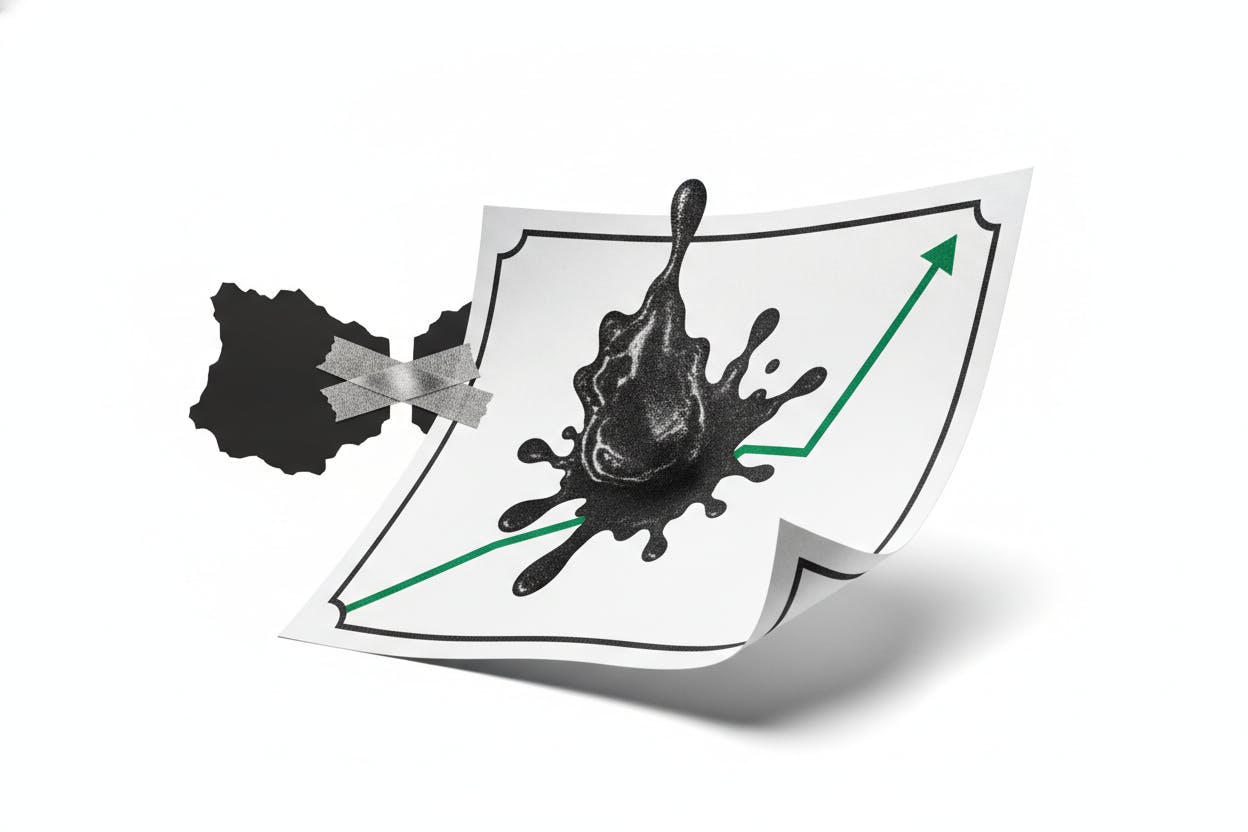
Eurozone government bond yields moved higher on Tuesday as oil prices climbed, with Brent crude reaching $88.20 a barrel. The trigger: the Strait of Hormuz, a critical shipping lane for global oil supplies, remained closed. That kept energy prices elevated and reminded investors that inflation pressures may not be fading as quickly as hoped.
The move was most visible in Germany, the eurozone's largest economy. The yield on the 10-year Bund rose to 3.198%, while the more rate-sensitive 2-year yield climbed to 2.809%. When bond yields rise, it typically signals that investors expect higher interest rates or higher inflation ahead.
Why oil matters for bond yields
Oil and bonds might seem like unrelated markets, but they are closely connected through inflation. Energy is a major input in the cost of goods and services, so when crude prices jump, headline inflation often follows. Central banks, including the European Central Bank (ECB), watch inflation closely because their main job is to keep price growth under control.
If inflation looks like it will stay high, the ECB is more likely to keep interest rates elevated or even raise them further. Higher rates make newly issued bonds more attractive, which pushes existing bond prices down and yields up. That is exactly what happened in the eurozone on Tuesday.
The Strait of Hormuz is one of the world's most important oil chokepoints. A significant share of global crude shipments passes through it. When it is closed, even temporarily, supply worries can send prices sharply higher. This is not the first time the market has reacted to Hormuz tensions. Earlier this month, oil climbed to $85 as Iran tied the reopening of the strait to US conditions, and oil jumped 5% on similar supply fears.
What the yield moves signal
The rise in German yields is a classic market reaction to a potential inflation shock. The 2-year yield is especially sensitive to central bank policy expectations, so its jump to 2.809% suggests traders are now pricing in a greater chance of additional ECB rate hikes this year.
Money markets reflected that shift. Traders increased their bets on more tightening, pricing in 41 basis points of additional rate increases. A basis point is one-hundredth of a percentage point, so 41 basis points is roughly equivalent to one or two quarter-point moves, depending on how the market distributes the probability.
This is a notable change from earlier in the year, when many investors expected the ECB to start cutting rates. The persistence of oil-driven inflation is forcing a rethink. If energy prices stay high, the ECB may have little choice but to keep policy tight, which could slow economic growth but also help bring inflation down.
What it means for investors
For everyday investors, the key takeaway is that oil prices are having a ripple effect across financial markets. Higher bond yields can make borrowing more expensive for governments and companies, which can weigh on stock valuations, especially for growth-oriented sectors like technology. Indeed, rising yields and oil have pushed investors out of tech and into energy in recent sessions.
If you hold bond funds, rising yields mean lower bond prices in the short term, though the higher yields also offer better income for new purchases. If you own stocks, energy companies may benefit from higher crude prices, while companies with high debt levels could face higher interest costs.
The situation remains fluid. The Strait of Hormuz could reopen at any time, which would likely ease oil prices and bond yields. But if the closure drags on, the pressure on inflation and central bank policy will only intensify. Investors will be watching both the shipping news and any comments from ECB officials for clues about the next move.
In the meantime, the bond market is sending a clear signal: oil is back on the radar, and so is inflation. For those planning their portfolios, it may be wise to consider how energy prices could affect their holdings, whether through inflation-protected assets, energy stocks, or simply by staying diversified.