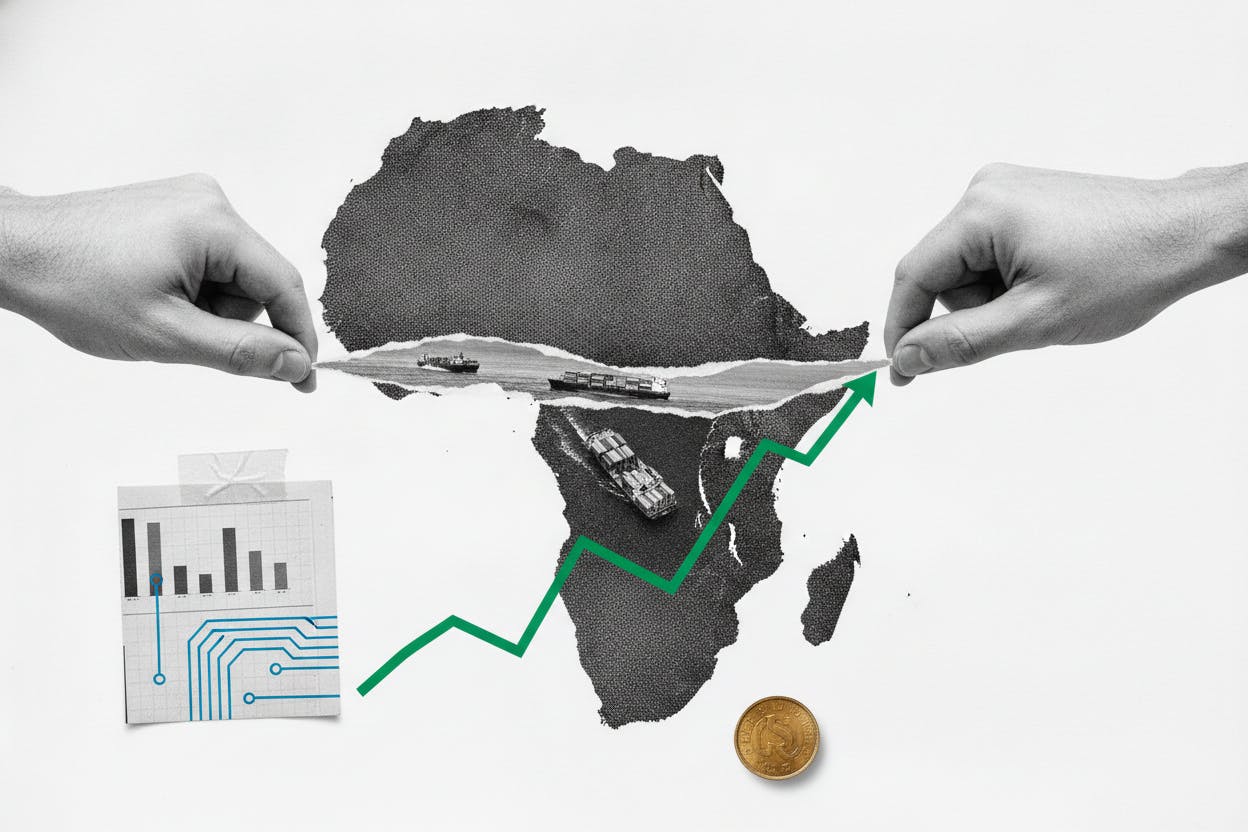
Oil prices slipped on Tuesday as investors weighed the possibility that Iran-Oman talks could lead to a reopening of the Strait of Hormuz, a critical shipping lane for global crude. At the same time, Kenya's stock exchange announced plans to list an exchange-traded fund (ETF) focused on artificial intelligence companies before the end of the year.
What's driving oil lower?
The Strait of Hormuz, a narrow waterway between Iran and Oman, handles a significant share of the world's oil exports. Any disruption there can send prices spiking, while signs of easing tensions tend to pull them down. Reports from Reuters indicated that crude slipped as investors assessed whether the Iran-Oman discussions could cool regional tensions enough to reduce supply fears.
This so-called "geopolitical risk premium"—the extra cost built into oil prices when supply is threatened—has been a key factor in recent market moves. When that premium shrinks, oil prices often fall, which can have ripple effects across global markets. Lower energy costs can ease inflation pressures and boost consumer spending power, but they can also hurt energy-exporting economies and companies.
For African markets, the oil price direction is particularly important. Many countries on the continent are net importers of oil, so cheaper crude can help reduce their import bills and support currencies. Conversely, oil exporters like Nigeria and Angola may see their revenues decline if prices stay low.
Kenya's AI ETF: a new frontier
In a separate development, Kenya's exchange said it plans to launch an AI-focused ETF before the year-end. An ETF is a type of investment fund that trades on a stock exchange, allowing investors to buy a basket of assets—in this case, shares of companies involved in artificial intelligence—without having to pick individual stocks.
This would be a notable step for African capital markets, which have been slower to embrace thematic ETFs compared to more developed markets. AI has been a major theme globally, with tech giants and startups alike driving interest in machine learning, automation, and data analytics. An AI-focused ETF would give Kenyan investors a way to tap into that trend, though it remains to be seen which specific companies would be included and whether the fund would invest locally or globally.
The move also signals growing retail investor interest in Kenya, where the Nairobi Securities Exchange has been working to broaden participation. ETFs are often seen as a low-cost, accessible way for everyday investors to diversify, and a well-structured AI fund could attract new money into the market.
What it means for investors
For everyday investors, the oil price drop is a reminder that geopolitical events can move markets quickly. If the Hormuz situation continues to improve, we could see further declines in crude, which might be positive for consumers and import-dependent economies. However, the talks are still ongoing, and there is no guarantee of a deal, so volatility is likely to remain.
For those interested in African markets, the Kenyan AI ETF is a development worth watching. It could open up new opportunities for diversification, but it's important to remember that thematic ETFs can be more volatile than broad-market funds. As always, investors should consider their own risk tolerance and do their own research before committing money.
In the broader picture, the combination of oil price movements and new financial products highlights how global and local factors are intertwined. African markets are increasingly influenced by international trends, from energy politics to the AI boom, and staying informed is key to making sound investment decisions.
Related coverage: stocks split as oil drops and Asia stocks jump on Hormuz hopes.