Oil prices slipped on Tuesday as a key shipping chokepoint showed signs of returning to normal and the world's largest producers agreed to pump more crude. West Texas Intermediate (WTI) crude settled at $68.55 a barrel, its lowest close since February 27th, while Brent crude ended near $72. The moves come as traders reassess how tight global supply really is.
Strait of Hormuz: A Vital Waterway
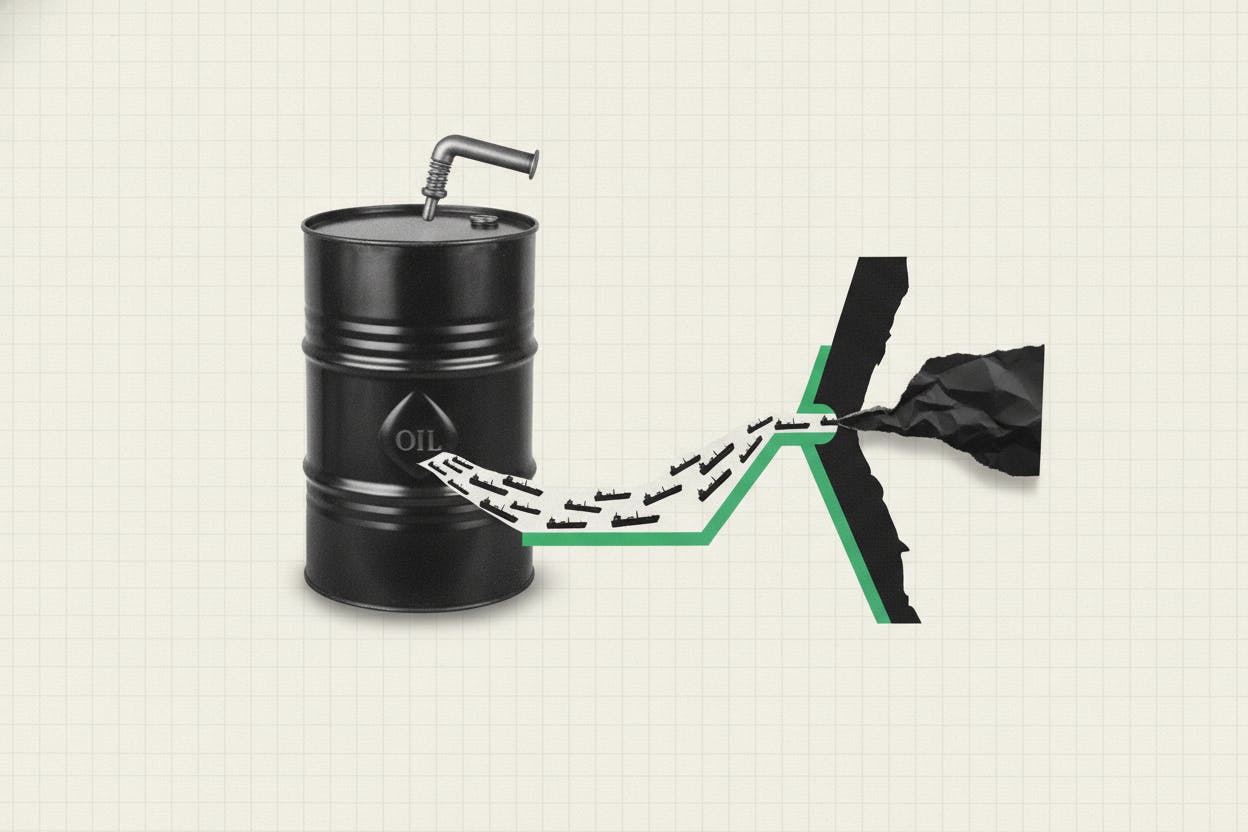
The Strait of Hormuz, a narrow passage between the Persian Gulf and the Gulf of Oman, is one of the most important oil transit points in the world. Roughly one-fifth of the world's seaborne crude passes through it, meaning any disruption can quickly send prices higher. Recent shipping data showed more tankers transiting the strait after a period of heightened tensions and delays. While a large queue of vessels still waits to pass, the direction of travel suggests the situation is moving toward normalcy.
This easing of congestion removes a key source of upward pressure on oil prices. For investors, it signals that supply from the Middle East is likely to reach global markets more reliably in the coming weeks. The energy sector has been closely watching the strait, as any prolonged disruption could have ripple effects across the industry.
OPEC+ Adds More Supply
At the same time, the OPEC+ group of oil-producing nations confirmed it will raise its collective production quota by 188,000 barrels per day for August. This is the latest in a series of modest increases as the group gradually unwinds the deep production cuts it implemented during the pandemic. The decision was widely expected but still weighed on prices, as it adds to the supply side of the equation.
The combination of a smoother-flowing strait and higher OPEC+ output has eased worries about a near-term shortage. However, it also raises questions about whether demand can keep up. With central banks raising interest rates to fight inflation, economic growth is slowing in many parts of the world, which could dampen oil consumption. The OPEC+ output hike was approved earlier this month, and markets are now watching for signs of how much more supply might come later in the year.
What It Means for Investors
For everyday investors, lower oil prices can be a mixed bag. On one hand, cheaper crude tends to reduce gasoline prices at the pump, which puts more money in consumers' pockets. That can be a tailwind for the broader economy and for sectors like retail and travel. On the other hand, falling oil prices can hurt energy company profits and weigh on the stock prices of major oil producers.
The recent slide in oil has already been reflected in the performance of energy stocks. In a related development, energy stocks split as oil slipped to $68.42 and natural gas climbed to $3.23, showing how different parts of the energy market can move independently. Investors with exposure to energy-focused funds or ETFs should be aware that further price declines could pressure returns in that sector.
Looking ahead, traders will be watching for the next batch of inventory data from the U.S. Energy Information Administration, which provides a weekly snapshot of supply and demand. Any signs of rising stockpiles could push prices lower, while a surprise drawdown might offer support. The broader economic backdrop, including inflation data and central bank policy decisions, will also play a role in determining where oil heads next.
For now, the combination of easing geopolitical tensions and increased OPEC+ supply has taken some of the heat out of the oil market. But with global demand still uncertain and the potential for further disruptions always present, the path forward remains anything but clear.