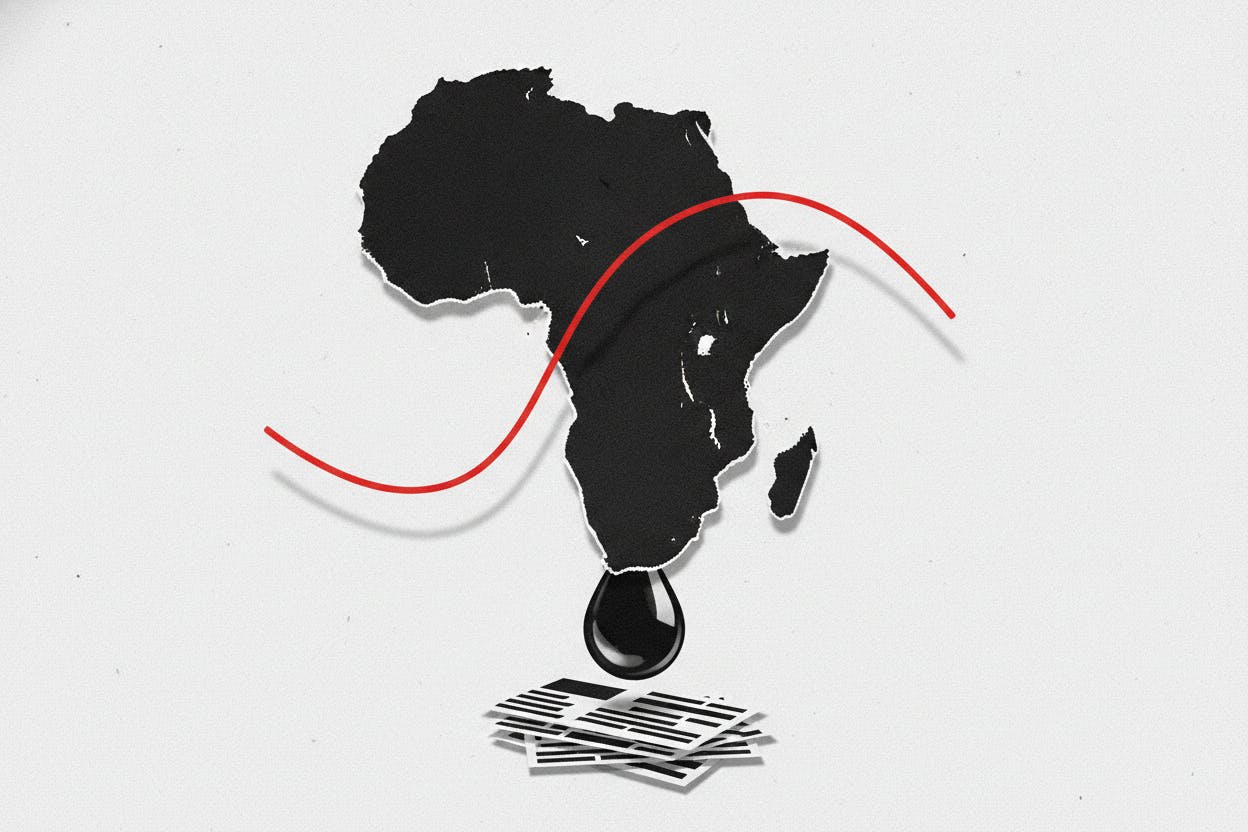
Oil is setting the mood in African markets today after fresh US strikes against Iran pushed crude prices higher and knocked South Africa's rand to a one-week low on Wednesday. The move is a reminder of how quickly geopolitical tensions can ripple through emerging-market currencies and commodity-dependent economies.
For everyday investors, the key takeaway is that rising oil prices tend to hit importing nations hardest, while producers like Nigeria may see a short-term boost. But the broader picture is about risk appetite: when crude surges, global investors often pull money from riskier assets, including African stocks and bonds.
What's driving the move?
The immediate trigger is the escalation between the US and Iran, which has raised fears about disruptions to oil shipments through the Strait of Hormuz. That narrow waterway is a critical chokepoint for global crude supplies, and any threat to its flow can send prices higher. The dollar slipped as oil surged on the same tensions, reflecting a broader shift in currency markets.
South Africa's rand, often a bellwether for emerging-market sentiment, weakened to a one-week low. That matters because a softer rand makes imports more expensive, including oil itself, which can feed into domestic inflation. The South African Reserve Bank has been cautious about cutting interest rates, and a weaker currency could complicate that stance.
What investors are watching
Beyond the oil-rand dynamic, there are several local headlines that investors are tracking. In Kenya, a World Bank update is expected to shed light on the country's economic outlook and fiscal health. Kenya has been navigating high debt levels and currency pressure, and any new funding or policy guidance from the World Bank could influence investor sentiment.
In Nigeria, attention is on the $1 billion Usan project, a major oil and gas development that could boost the country's production capacity. Nigeria is Africa's largest oil producer, but it has struggled with underinvestment and operational challenges. The Usan project represents a significant bet on the sector's future, and its progress is being watched closely by energy investors.
These stories are part of a broader mosaic. The DAX tumbled 2.35% as the same US-Iran strikes rattled global markets, showing that the impact is not limited to Africa. European and Asian markets also felt the pressure, as investors reassessed the risk of a wider conflict.
What it means for investors
For those with exposure to African markets, the current environment calls for caution. Rising oil prices can be a double-edged sword: they benefit oil exporters like Nigeria and Angola, but they hurt importers like South Africa, Kenya, and many others. The rand's weakness is a signal that foreign investors are nervous, and that could spill over into local equities and bonds.
It's also worth noting that the Federal Reserve's minutes, released this week, showed policymakers are still focused on inflation. Higher oil prices could add to that pressure, potentially delaying rate cuts in the US. That would keep the dollar relatively strong and make emerging-market assets less attractive. The Fed minutes and rising yields have already pressured financial stocks, and the same dynamic could weigh on African banks.
For long-term investors, the key is to focus on fundamentals. Kenya's World Bank update could provide clarity on its debt sustainability, while Nigeria's Usan project is a reminder that energy investments take years to pay off. Short-term volatility is normal, but the underlying trends in African economies—urbanization, digitalization, and resource development—remain intact.
In the near term, all eyes will be on oil prices and the next move in the rand. If tensions ease, risk appetite could return quickly. But if the situation escalates, expect more turbulence across African markets.



