Oil prices extended their rally Thursday, with West Texas Intermediate crude climbing to $90.56 a barrel, as the escalating US-Iran conflict entered its 12th day and began to choke traffic through the Strait of Hormuz, one of the world's most critical energy chokepoints. At the same time, Yemen's Houthi rebels attacked two tankers carrying Saudi crude in the Red Sea, compounding supply fears.
Strait of Hormuz: The World's Oil Valve
The Strait of Hormuz, a narrow waterway between Iran and Oman, handles roughly one-fifth of the world's oil consumption. About 17 million barrels of crude and petroleum products pass through it daily, according to the US Energy Information Administration. Any disruption there can send shockwaves through global markets, as seen during previous Iran tensions.
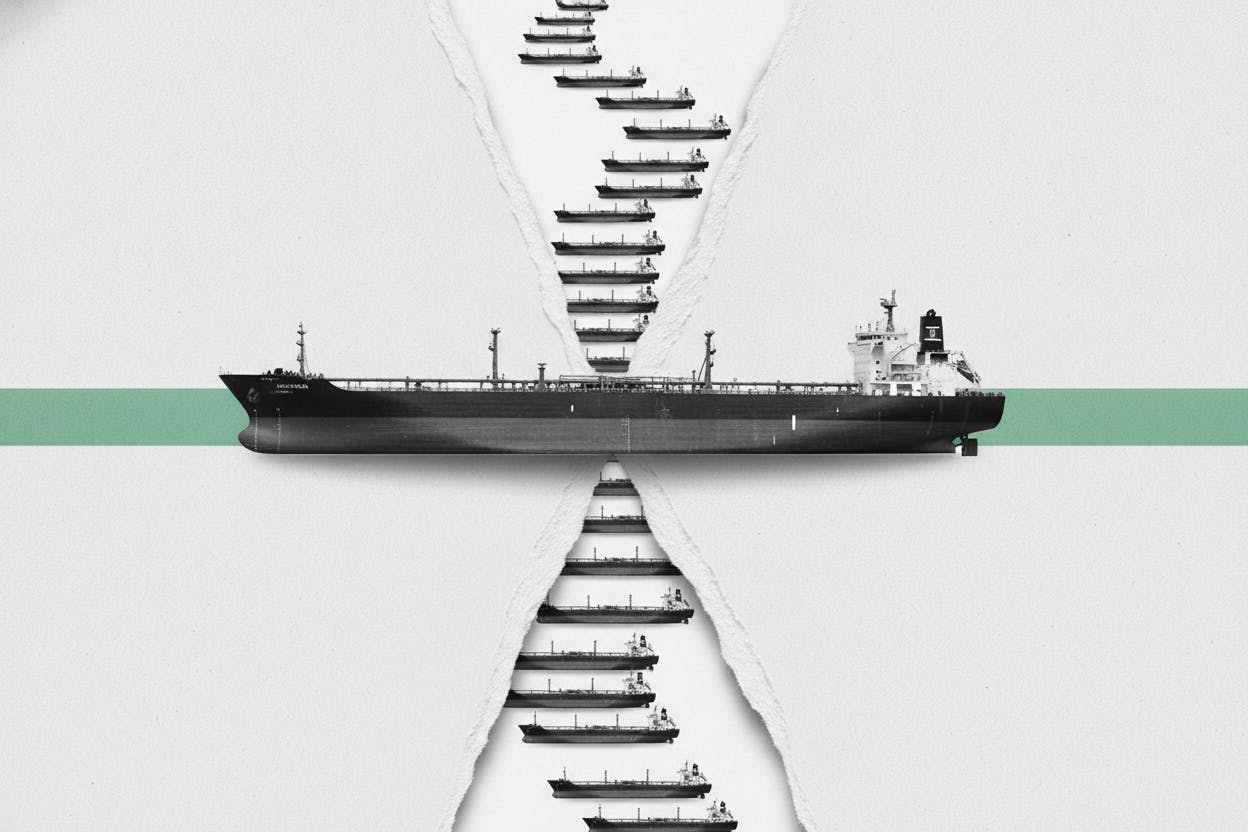
The slowdown in traffic reported Thursday suggests that shipping companies are becoming wary of transiting the strait amid the conflict. While no full blockade has been declared, the mere threat of delays or attacks is enough to push insurance premiums higher and encourage tankers to seek alternative routes, which are longer and more expensive.
Houthi Attacks Add to Red Sea Pressure
In a separate but related development, Yemen's Houthi rebels attacked two tankers carrying Saudi crude in the Red Sea. The Houthis, who are backed by Iran, have a history of targeting shipping in the region, particularly vessels linked to Saudi Arabia and its allies. The Red Sea is another vital shipping lane for oil and goods, connecting to the Suez Canal.
These attacks come on top of earlier disruptions in the region. In recent weeks, the Houthis have stepped up their maritime campaign, and the latest strikes on Saudi tankers underscore the broadening nature of the threat. For context, similar Houthi attacks in the past have led to temporary spikes in oil prices and increased military patrols by coalition forces.
The combination of the Strait of Hormuz slowdown and Red Sea attacks creates a two-front supply risk. As we noted in our earlier coverage of Gulf stocks dipping as oil hit $92.85 on Houthi shipping threats, markets in the region are already feeling the heat.
What It Means for Investors
For everyday investors, the immediate takeaway is that oil prices are likely to remain elevated as long as these geopolitical risks persist. Higher oil prices can benefit energy stocks and ETFs, but they also act as a tax on consumers, potentially slowing economic growth and increasing inflation.
Investors should watch for further escalation. If the Strait of Hormuz becomes significantly more dangerous, oil could spike well above $100, as it did during the 2019 attacks on Saudi Aramco facilities. The Aramco earnings preview from RBC already adjusted forecasts due to the disruption, signaling that analysts are bracing for impact.
Broader market implications are also worth noting. Rising oil prices tend to hurt sectors like airlines, shipping, and consumer discretionary, while benefiting energy producers. However, the overall market often sells off on geopolitical shocks, as seen when stocks edged lower ahead of Alphabet and Tesla earnings while oil jumped 4.2% on Iran strikes.
For now, the key question is how long the conflict lasts and whether it escalates further. If shipping through the Strait of Hormuz normalizes quickly, the price spike could fade. But if the disruption persists, the global economy could face a sustained energy shock.
Investors should also keep an eye on central bank responses. Higher oil prices can complicate monetary policy by fueling inflation, potentially leading to higher interest rates for longer. That dynamic could weigh on growth stocks and bonds.
In summary, the oil market is flashing a clear warning signal. The combination of a major chokepoint slowdown and targeted attacks on tankers is a recipe for higher prices and volatility. While no one can predict the outcome of the conflict, being aware of these risks is the first step in protecting your portfolio.