Gulf stock markets slipped on Wednesday as renewed military action and warnings from Houthi rebels put the region's critical shipping lanes back in the spotlight. The tension pushed oil prices higher, with Brent crude climbing 2.0% to $92.85 a barrel, its highest level since June 11.
Benchmark indexes in Dubai, Abu Dhabi, and Qatar edged lower, while Saudi Arabia's Tadawul index held up relatively better. The moves come after US forces struck Iranian military targets for an 11th consecutive night, according to Reuters, escalating worries that the conflict could spread across key trade routes.
Shipping Chokepoints Under Pressure
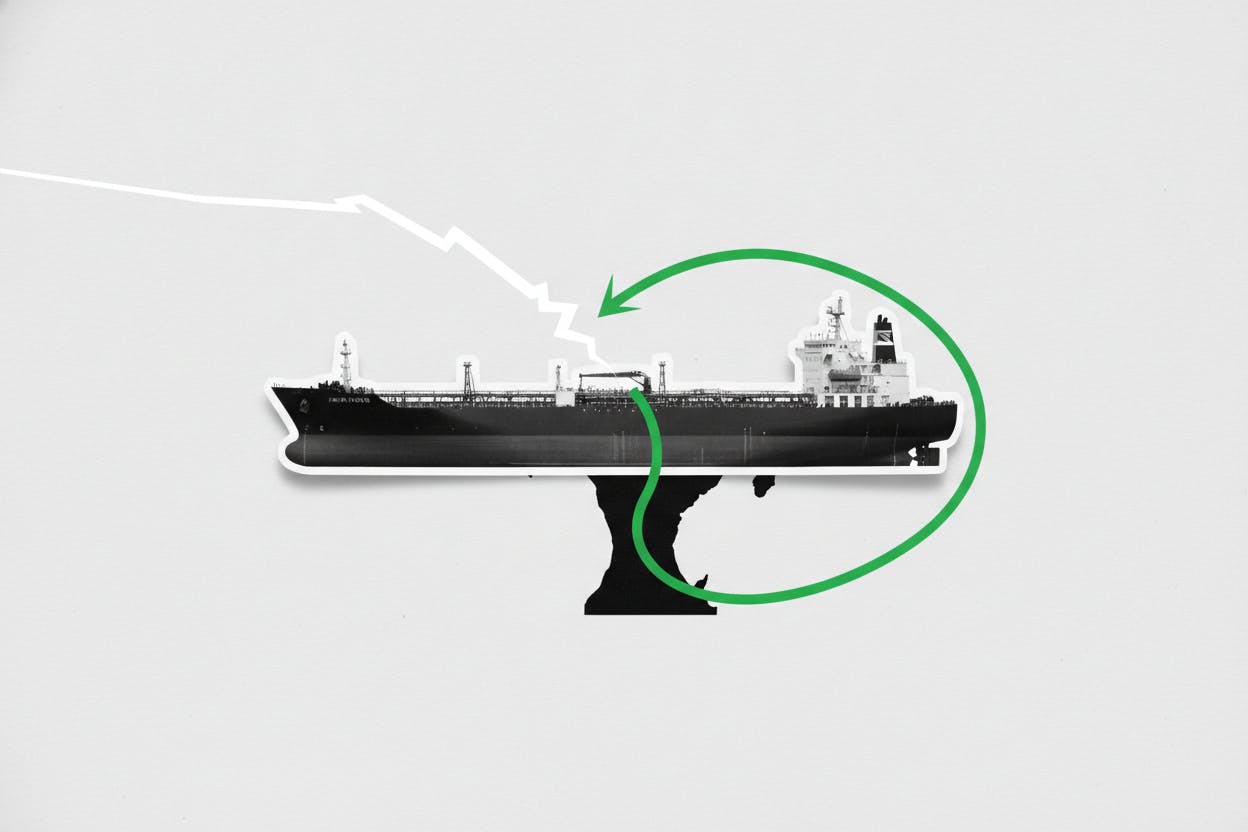
The immediate concern for markets is the Bab al-Mandab strait, a narrow passage between Yemen and Djibouti that connects the Red Sea to the Gulf of Aden. Houthi warnings have already prompted some Saudi crude tankers to reroute away from the area, adding to shipping costs and delays.
The Strait of Hormuz, another vital chokepoint at the mouth of the Persian Gulf, is also being watched closely. Together, these passages handle a significant portion of the world's oil shipments. Any disruption can quickly ripple through global energy markets.
For everyday investors, the key takeaway is that geopolitical risk is back on the radar. When shipping routes are threatened, oil prices tend to rise, which can affect everything from fuel costs at the pump to the earnings of companies that rely on global trade.
What It Means for Investors
Higher oil prices are a double-edged sword. For energy companies, they can mean higher profits and potentially higher stock prices. But for the broader economy, especially in countries that import oil, rising crude costs can fuel inflation and put pressure on central banks to keep interest rates higher for longer.
This dynamic has already been seen in other markets. For example, oil price surge on Middle East tensions hits Indian stocks and rupee, as India is a major oil importer. Similarly, Brent hits $92, India's bonds and rupee under pressure from oil shock highlights the broader economic strain.
Asian markets have also felt the impact. Asian stocks rally as chipmakers rebound, oil hits $91.55 on Red Sea risks shows how the same tensions can create mixed signals across different sectors.
Broader Market Context
The Gulf region's stock markets are heavily influenced by oil prices and geopolitical stability. When tensions rise, investors often sell first and ask questions later. The slip in Dubai, Abu Dhabi, and Qatar reflects that caution, though Saudi Arabia's market showed more resilience, possibly due to its larger domestic investor base and stronger fiscal position.
For now, traders are watching for any further escalation. The Houthi warnings and US strikes suggest the situation is far from resolved. If shipping disruptions continue, oil could push even higher, which would likely keep Gulf markets under pressure.
Investors should also keep an eye on how this affects other asset classes. Higher oil prices can boost energy stocks but hurt sectors like airlines and shipping. Diversification remains a key strategy in such uncertain times.
In summary, the combination of military action and shipping route threats has put Gulf markets on edge, with oil prices acting as the immediate barometer of risk. The coming days will show whether this is a temporary blip or the start of a more prolonged period of volatility.