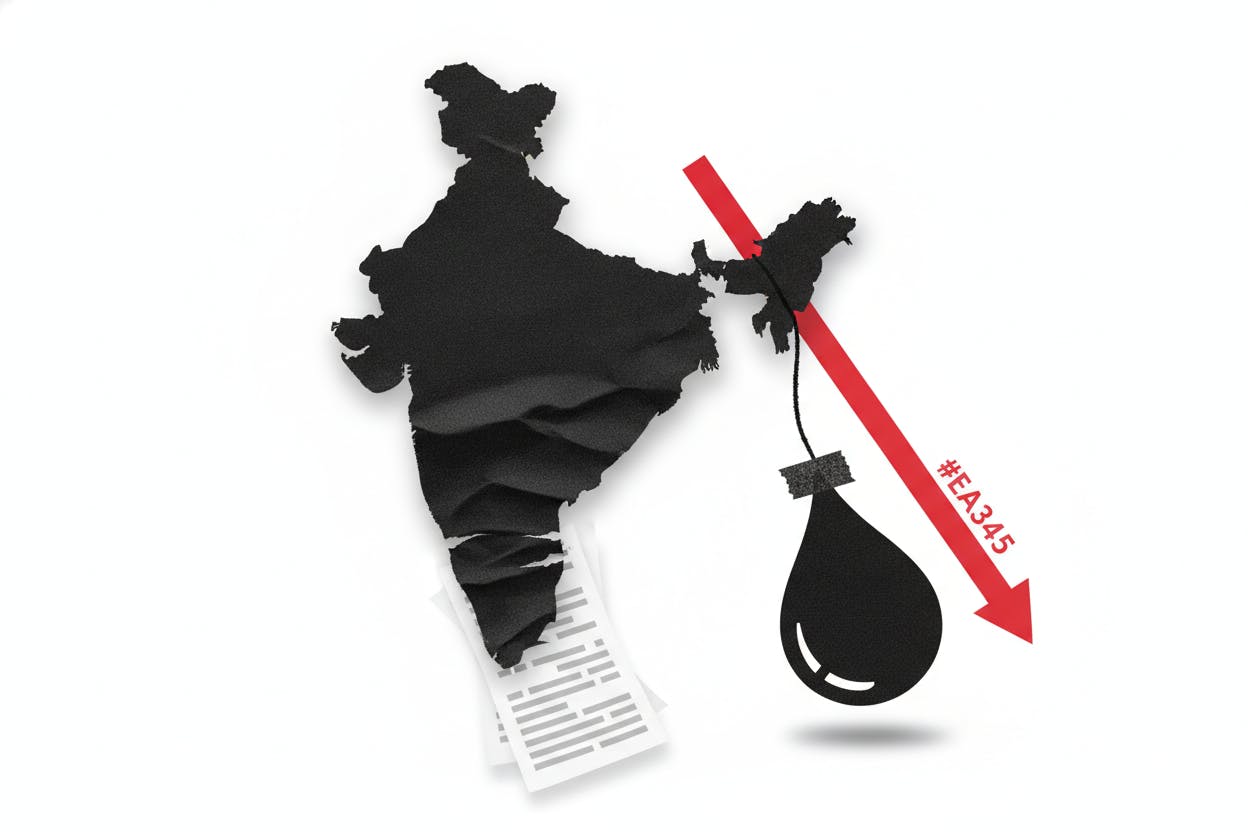
Indian financial markets took a hit on Tuesday as crude oil prices climbed to a more than five-week high, driven by renewed concerns about supply disruptions in the Middle East. The benchmark Sensex index fell 0.87%, while the Indian rupee weakened 0.24% against the US dollar, according to Reuters.
The moves underscore India's vulnerability to oil price shocks. As the world's third-largest oil importer, India relies on foreign purchases to meet over 80% of its crude needs. When oil prices rise, the cost of imports increases, widening the trade deficit and putting downward pressure on the rupee. That, in turn, can fuel inflation by making everything from fuel to transportation more expensive.
Why Oil Jitters Matter for India
The latest oil rally stems from escalating tensions in the Middle East, a region that accounts for a significant share of global crude production. Any disruption to supply—whether from geopolitical conflict, shipping route blockages, or production cuts—can quickly push prices higher. This time, traders are pricing in risks that have pushed oil to levels not seen in over five weeks.
For India, higher oil prices are a double-edged sword. They increase the country's import bill, which can worsen the current account deficit and weaken the rupee. A weaker rupee makes imports even more expensive, creating a feedback loop that can stoke inflation. That complicates the Reserve Bank of India's (RBI) job: if inflation stays elevated, the central bank is less likely to cut interest rates, even if economic growth slows. In fact, recent data showed that India's overnight funding market remained calm, but the broader bond market has already felt the pinch, as seen in our earlier coverage of Oil Rally Pushes Indian Bond Yields Higher, But RBI Support Caps Rise.
The rupee's 0.24% decline may seem modest, but it adds to a trend of gradual depreciation. The RBI has historically stepped in to defend the currency by selling dollars from its reserves, but such interventions have limits. If oil prices stay elevated, the rupee could face further pressure, as discussed in Oil Surge Past $92.50 Pressures Indian Rupee, RBI Seen Defending 96.50 Level.
What It Means for Investors
For everyday investors, the immediate takeaway is that Indian equities and the rupee are sensitive to global oil price movements. When oil spikes, sectors like aviation, paints, and auto—which have high fuel or raw material costs—tend to underperform. Conversely, oil marketing companies and some energy firms may benefit, but the broader market often feels the heat.
The Sensex's 0.87% drop is a reminder that geopolitical risks can quickly overshadow domestic fundamentals. Indian stocks had been riding a wave of strong economic data and corporate earnings, but external shocks like oil price surges can derail that momentum. Investors should watch for any escalation in Middle East tensions, as well as cues from the RBI on how it plans to manage inflation and currency stability.
Meanwhile, the oil price rally has also lifted other commodities. Gold, for instance, hit a two-week high amid the same tensions, as investors sought safe-haven assets. For more on that, see Gold Hits Two-Week High as Middle East Tensions and Fed Rate Outlook Duel.
Looking ahead, the key question is whether the oil price spike will be temporary or prolonged. If supply concerns ease—perhaps through diplomatic efforts or increased output from other producers—Indian markets could recover quickly. But if tensions persist, the rupee and stocks may remain under pressure, and the RBI may hold off on rate cuts longer than expected.
For now, investors should brace for more volatility. The interplay between oil, the rupee, and inflation will be a dominant theme in the coming weeks, especially as global markets also grapple with other risks like trade tensions and central bank policies. As we've seen in Brent Hits $92, India's Bonds and Rupee Under Pressure From Oil Shock, such episodes can test the resilience of even the most optimistic market participants.



