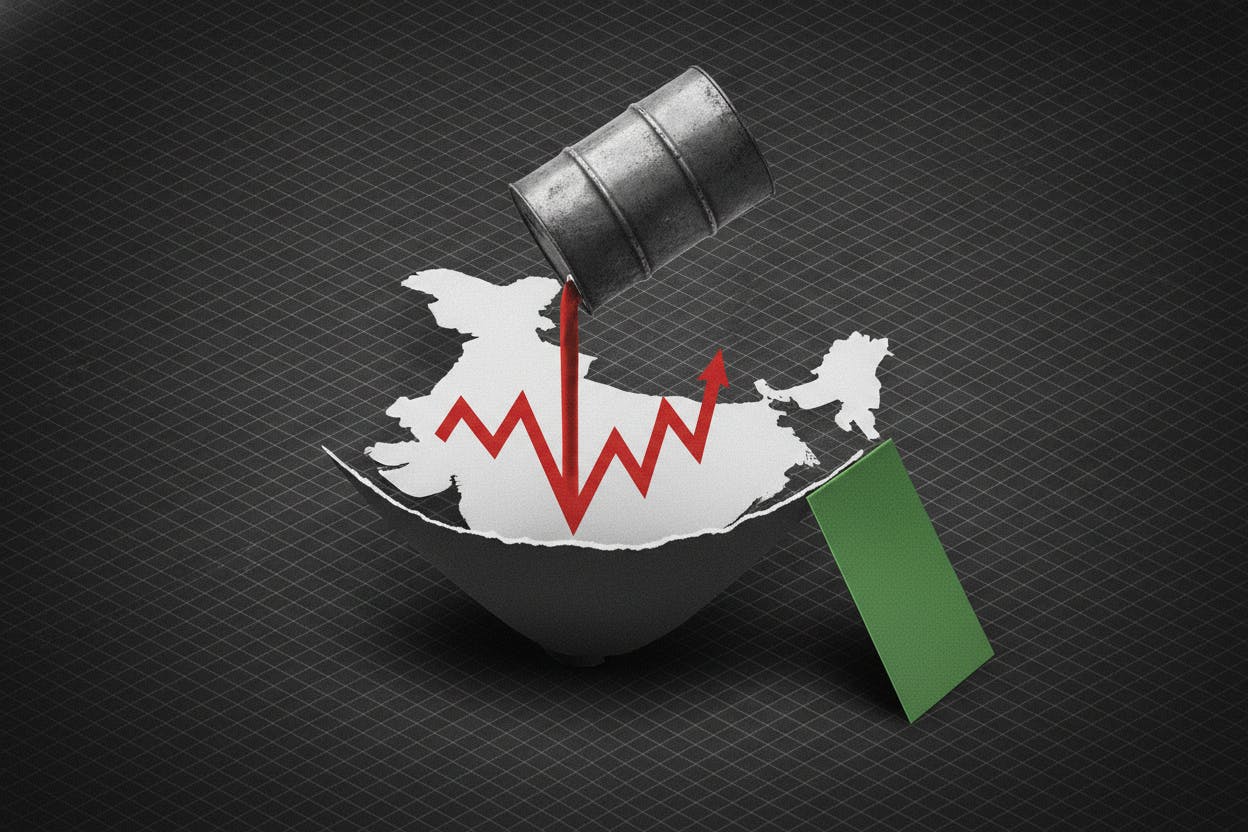
Indian government bond yields edged higher on Tuesday as a rally in global oil prices stoked concerns about imported inflation and a wider trade deficit. The move, however, was contained by buying from state-run banks and inflows linked to the Reserve Bank of India (RBI).
Brent crude, the international oil benchmark, rose 1.3% to hit a six-week high of $92.2 a barrel. For India, which imports over 80% of its oil needs, higher crude prices typically mean higher inflation and a larger current account deficit. That makes bond investors nervous, as they demand higher yields to compensate for the added risk.
Yields Tick Up, But Resistance Holds
The yield on India's benchmark 6.94% 2036 government bond rose to 6.8078% by 11:50 a.m. IST, up from 6.7938% the previous day. Traders told Reuters that the yield struggled to break above 6.83% at the open, thanks to buying from state-run banks. Those banks, often acting in coordination with the RBI, stepped in to absorb selling pressure and prevent a sharper sell-off.
The move was also tempered by expectations of continued RBI-driven inflows. The central bank has been actively managing liquidity and bond purchases to keep borrowing costs stable, especially as the government prepares for its borrowing program.
Global Bond Market Pressure
The external backdrop added to the pressure on Indian bonds. US 10-year Treasury yields have been climbing, reflecting expectations that the Federal Reserve will keep interest rates higher for longer. Higher US yields make emerging-market bonds like India's less attractive to foreign investors, who can get better risk-adjusted returns in developed markets.
This dynamic has been a recurring theme in 2024: whenever oil prices spike, Indian bonds and the rupee come under pressure, as seen in recent weeks. The RBI has been actively defending the rupee, with traders expecting the central bank to intervene around the 96.50 level against the US dollar.
What It Means for Investors
For everyday investors holding Indian government bonds or bond funds, the key takeaway is that oil prices remain a major risk factor. Higher yields mean lower bond prices in the short term, but they also offer better entry points for long-term investors who can lock in higher income.
The RBI's presence in the market provides a cushion, but it cannot fully insulate bonds from global shocks. If oil continues to rally, yields could test higher levels, especially if US Treasury yields keep rising. Investors should watch for any signs of the RBI shifting its stance, such as allowing yields to move higher to attract foreign capital.
For those invested in equity markets, the oil rally also has implications. Higher crude prices squeeze margins for companies in sectors like aviation, paints, and consumer goods, which rely on oil-based inputs. That could weigh on earnings in the coming quarters, especially for India's FMCG giants facing margin pressure.
Looking Ahead
Market participants will be watching the next move in oil prices closely. Any escalation in geopolitical tensions, such as disruptions in the Red Sea or supply cuts from OPEC+, could push Brent higher. Conversely, a slowdown in global demand or a stronger US dollar could cap the rally.
On the domestic front, the RBI's monetary policy committee is expected to hold rates steady at its next meeting, but the tone will be crucial. If the central bank signals concern about inflation, bond yields could rise further. For now, the combination of oil-driven inflation fears and RBI support is keeping the bond market in a tight range.