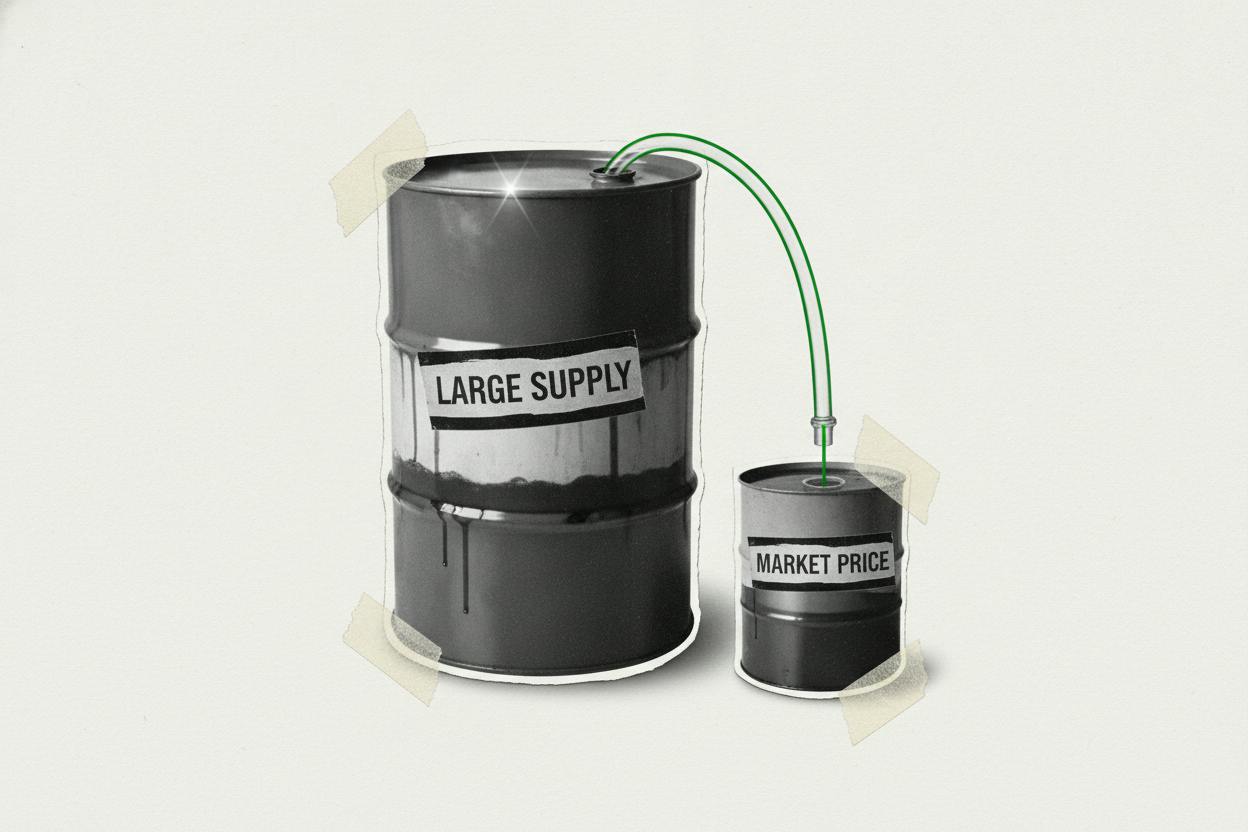
Oil prices pushed higher on Tuesday, with West Texas Intermediate (WTI) crude climbing to $90.99 a barrel. The move came even as the U.S. Energy Information Administration reported that commercial crude inventories rose by 900,000 barrels last week—a build that would normally put downward pressure on prices. That resilience suggests demand remains robust, or that traders are looking past the near-term supply glut to other factors.
Why did oil rise despite higher inventories?
Typically, an increase in stockpiles signals weaker demand or ample supply, which tends to push prices down. But the market shrugged off the build, focusing instead on broader supply concerns. Geopolitical tensions, production cuts by major exporters, and a recovering global economy have all been supporting crude prices in recent months. The fact that WTI held above $90 despite the inventory data is a sign that the market is tight underneath the surface.
For everyday investors, the price of oil matters far beyond the pump. It feeds into inflation, affects the earnings of energy companies, and can influence the broader stock market. When oil prices rise, energy stocks often benefit, but airlines, shipping firms, and manufacturers face higher costs. It's a reminder that commodity moves can ripple through portfolios in unexpected ways.
Kazakhstan's $5.2 billion environmental case
In a separate development, Kazakhstan reopened a $5.2 billion environmental lawsuit against a consortium of energy giants: Shell, TotalEnergies, ExxonMobil, and China National Petroleum Corp (CNPC). The case, which had been dormant, alleges that the companies caused environmental damage during their operations in the country's oil-rich Caspian region.
This is not the first time Kazakhstan has pursued such claims. The government has been increasingly assertive in holding foreign energy firms accountable for environmental and financial obligations. The reopening of this case adds a layer of uncertainty for the companies involved, which could face significant payouts if the suit succeeds. For investors in these firms, it's a reminder that legal and regulatory risks are part of the energy sector's landscape.
What it means for investors
For those with exposure to energy stocks, the combination of high oil prices and potential legal liabilities is a mixed bag. Higher crude prices boost revenues and profits for producers, but a large legal judgment could eat into those gains. The case also highlights the growing importance of environmental, social, and governance (ESG) factors in evaluating energy companies. Investors increasingly factor in such risks when deciding where to put their money.
Beyond the courtroom, the oil market's strength has broader implications. If crude stays above $90, it could keep inflation elevated, potentially influencing central banks' interest rate decisions. That, in turn, affects bond yields, stock valuations, and borrowing costs for consumers and businesses. For a typical investor, watching oil is not just about energy stocks—it's a window into the health of the global economy.
Looking ahead, traders will be watching for the next inventory report, as well as any news on OPEC+ production policy. A continued drawdown in stockpiles could push prices even higher, while a surprise surplus might cool the rally. For now, the market seems to be betting on strength.
As always, it's wise to maintain a diversified portfolio. Energy is a cyclical sector, and while today's headlines are bullish, prices can turn quickly. Understanding the forces at play—supply, demand, geopolitics, and legal risks—helps investors make informed decisions rather than reacting to daily noise.