Japanese automation giant Omron has agreed to buy OnLogic, a US maker of rugged industrial computers, for $675 million in cash. The deal is designed to bring more AI-style decision-making directly onto factory floors, where machines generate vast amounts of sensor data that can't always wait for a distant cloud server.
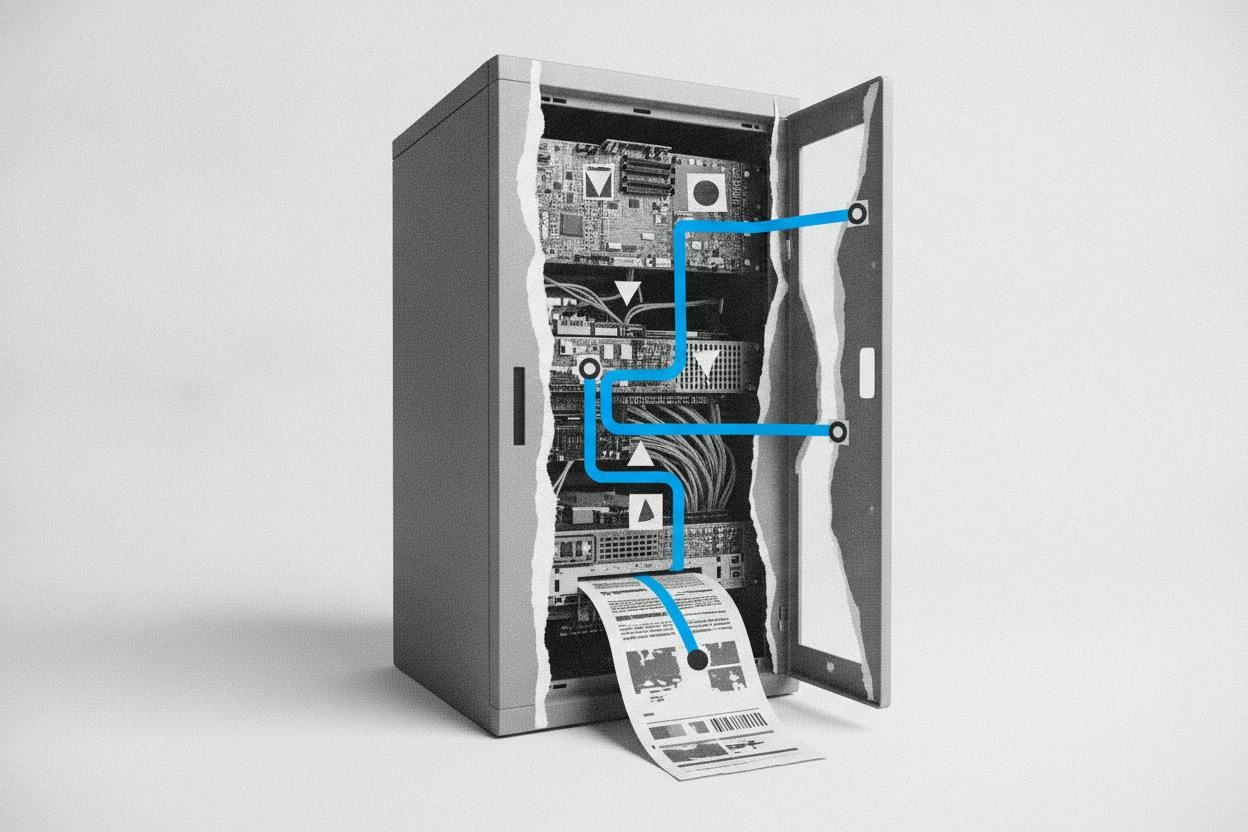
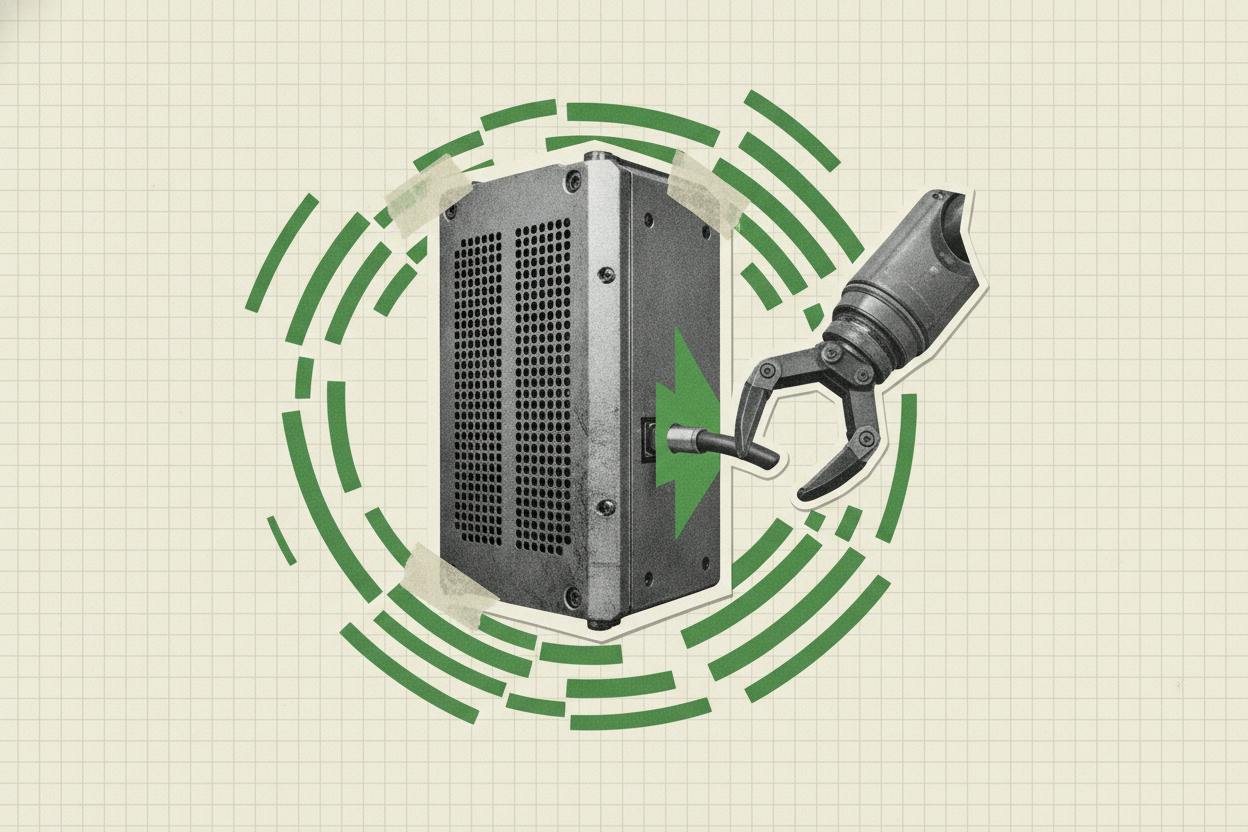
OnLogic builds configurable industrial PCs that can withstand heat, dust, and vibration—conditions that would wreck a typical office computer. These on-site machines can process data in real time, helping robots, cameras, and control systems react faster and keep production lines running smoothly. That's the "edge" computing layer that Omron wants to pair with its existing sensing and robotics products.
Why Omron is buying OnLogic
Factories are increasingly generating mountains of data from sensors, cameras, and connected equipment. Sending all of that data to a cloud server for analysis can introduce delays, which is a problem for time-sensitive operations like robotic assembly or quality inspection. Edge computing—processing data close to where it's generated—can reduce those delays and make automated systems more responsive.
OnLogic's industrial PCs are designed for exactly that role. They're built to operate reliably in harsh environments, and they can be configured to run a variety of software, including AI models that analyze images or sensor readings on the spot. By combining OnLogic's hardware with its own sensing and robotics technology, Omron hopes to offer factories a more integrated package that can handle both data collection and decision-making at the source.
The acquisition also gives Omron a bigger footprint outside Japan. More than 90% of OnLogic's sales come from the Americas and Europe, which could help Omron expand its presence in those markets. Omron plans to keep OnLogic's brand and its direct-to-customer sales model, suggesting it wants to preserve what has made OnLogic successful.
What the price tag tells investors
The $675 million price tag is notable. Based on Omron's disclosures, OnLogic generated $154.2 million in sales and $22.6 million in EBITDA (a profit measure before interest, taxes, depreciation, and amortization) in 2025. That puts the deal at roughly 30 times EBITDA and about 4.4 times sales.
Those are rich multiples, especially for a hardware company. A 30x EBITDA valuation typically assumes the target will become a platform for growth, not just an add-on product line. In other words, Omron is betting that OnLogic's industrial PCs will become a standard "edge" layer for larger factory systems, lifting both growth and profit margins enough to make the acquisition look cheaper over time.
Investors will be watching whether Omron can pull that off. If the Americas-and-Europe-heavy customer base starts buying bigger Omron system deals after the deal closes—expected around January 2027—the acquisition could support Omron's margin and return narrative. If not, the high entry price will be harder to justify.
What it means for investors
For everyday investors, this deal is a reminder that the push to automate factories is accelerating, and that companies are willing to pay up for the technology that makes it possible. Omron's move is part of a broader trend of automation companies adding computing and AI capabilities to their product lines, similar to how Kawasaki is targeting 2030 for its humanoid robot in factories.
Omron says the deal shouldn't materially affect results for the fiscal year ending March 2027, which suggests this is a longer-term bet rather than an immediate earnings boost. That's typical for acquisitions of this size—the real payoff, if any, comes years down the road as the combined company finds ways to sell more to existing customers.
For now, the key question is whether Omron can execute. The company has a track record in automation, but integrating a hardware maker with a different customer base and business model is never easy. Investors should watch for signs that OnLogic's products are being bundled into larger Omron system deals, and whether the combined company can grow faster than either would have alone.
This deal also highlights the growing importance of edge computing in industrial settings. As more factories adopt AI and robotics, the demand for rugged, on-site computing is likely to rise. Companies that can provide that infrastructure—whether through acquisitions or organic development—could be well positioned for the future.
For a broader look at how automation is reshaping industries, see Helmerich & Payne's bet on rig automation and FactSet's AI tools starting to pay off.